Does Protein Support GLP-1 Medications?
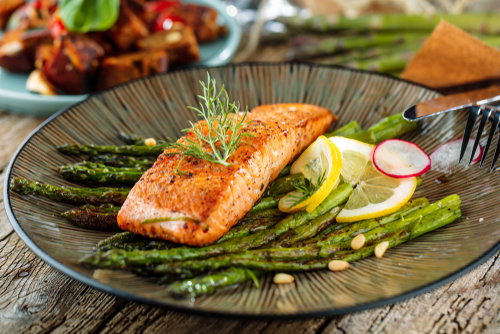
“Yes, protein-forward meals even support natural GLP-1 release.”
GLP-1 receptor agonist medications are reshaping long-term chronic weight management. Research shows that targeted dietary strategies, such as increased protein, fiber, plant-based fats, and optimized meal timing, can naturally stimulate the same hormonal pathways these medications act on by amplifying therapy results or supporting weight management independently of prescription drugs. Because these medications reduce hunger and delay stomach emptying, every meal must maximize nutrient density.
Rapid weight loss while taking a prescription GLP-1 medication can lower resting metabolic rate, and hormonal shifts push the body to restore its previous weight, which commonly referred to as the "set point." Research also shows that even at the same body size, someone who has lost weight burns fewer calories than someone who has never been overweight, making long-term maintenance genuinely challenging.
Can Diet Naturally Boost GLP-1 Hormone Levels?
Yes. Meals high in protein, fiber, and unsaturated fats can trigger GLP-1 secretion within minutes of eating. It is the enteroendocrine cells in the gut that respond directly to food intake; however, sustained metabolic improvements for restoring hormone balance typically develop over weeks of consistent dietary change. Specific dietary strategies include increasing fiber, protein, and plant-based fats, along with optimizing meal timing — all of which can stimulate natural GLP-1 hormone secretion and support sustainable weight management.
What Should You Eat on GLP-1 Medications?
When taking receptor agonists to boost satiety, prioritize the following nutrient-dense foods:
- High-protein foods: Chicken breast, salmon, eggs, Greek yogurt, tofu, and beans
- High-fiber, low-glycemic vegetables: Leafy greens, broccoli, spinach, berries, and legumes
- Healthy plant-based fats: Avocado, nuts, seeds, and olive oil
Healthy fats, especially plant-based sources, aid nutrient absorption without overloading digestion, which is an important consideration given that GLP-1 medications already slow gastric emptying.
Why Is Protein Essential During GLP-1 Therapy?
Protein is the most filling macronutrient and works directly with GLP-1 medication to control hunger. When in a calorie deficit, the body naturally loses both muscle and fat. Consuming adequate protein signals the body to prioritize fat loss while protecting lean tissue. Losing muscle reduces the metabolic benefits of GLP-1 therapy and can increase insulin resistance. Adequate daily protein intake also helps maintain energy levels during calorie restriction , which is a meaningful benefit, given that fatigue is common during the early stages of GLP-1 therapy. Protein also supports immune function, tissue repair, and enzyme production during all phases of weight loss.
Which Foods to Limit or Avoid on GLP-1 Medications?
When appetite is significantly suppressed by GLP-1 receptor agonists like semaglutide or tirzepatide, select high-protein options that deliver maximum nutrients with minimal volume and digestive load. While taking GLP-1 medications, certain foods can worsen side effects or undermine the medication's metabolic benefits. The following categories should be limited or avoided:
- High-fat and greasy foods: GLP-1 receptor agonists slow stomach emptying. High-fat foods, including fried items, greasy takeout, fatty meats, and creamy sauces, increase the risk of nausea, cramps and acid reflux.
- Sweetened and carbonated beverages: Sweetened beverages, packaged juices, energy drinks, and sodas can cause rapid blood sugar spikes and crashes. Carbonation worsens bloating and gut discomfort.
- Alcohol: Alcohol places extra stress on the digestive system, can cause low blood sugar, and worsens dehydration, vomiting, and nausea. It directly counteracts the metabolic benefits of GLP-1 incretin mimetic medications.
- Refined carbs and ultra-processed snacks: White bread, white rice, non-whole grain pasta, crackers, chips, and pretzels lack fiber and essential nutrients. These low-quality foods displace the nutrient-dense options the body needs most.
- Spicy and acidic foods: Hot sauces, spicy curries, and citrus-heavy dishes can irritate the stomach lining, worsening nausea, acid reflux, bloating, and stomach pain in those already experiencing gastrointestinal side effects.
Building an understanding of how a personalized protein-forward menu plan can help support the GLP-1 agonist you were prescribed allows you adopt new lifestyle habits for healthy living. That way your long-term weight management goals are reinforced by the beneficial effects protein-first strategies have on release of the natural gut hormone and support of incretin medications.
Frequently Asked Questions
Q: How soon does diet affect GLP-1 hormone levels?
Research from clinical studies suggests that meals high in protein, fiber, and unsaturated fats can trigger GLP-1 secretion within minutes of eating. However, sustained metabolic improvements — such as restored hormone balance — typically develop over several weeks of consistent dietary change.
Q: What is protein pacing, and why does it matter on GLP-1 medications?
Protein pacing refers to spreading quality protein intake evenly across daily meals and snacks rather than consuming it all at once. On GLP-1 medications, where appetite is significantly reduced, protein pacing helps protect muscle mass, stabilize hunger hormones, and support metabolic health — since the body cannot store excess protein for later use.
Q: Is it safe to follow a high-protein diet while taking semaglutide or tirzepatide?
For healthy individuals without pre-existing kidney conditions, a high-protein diet is generally considered safe and beneficial during GLP-1 therapy. A general guideline is 1.5 to 2 grams of protein per kilogram of body weight per day. Adequate hydration is essential when increasing protein intake to support kidney function and digestion. Always consult a healthcare provider before making significant dietary changes.
_______________________
Although weight loss may appear as success on the scale, without muscle preservation the body becomes weaker rather than healthier. Reduced muscle mass directly leads to less strength, reduced mobility, and a higher risk of falls and injuries, particularly for older adults. So, strategic meal planning and timing support better energy utilization, improved hormonal balance, enhanced insulin sensitivity, and preservation of lean calorie-burning muscle mass. At Metabolic Research Center SW Omaha-Papillion, our goal is to provide the GLP-1 support needed to create a customized program that preserves crucial muscle mass, limits the common side effects of using a GLP-1 receptor agonist, and produces the changes your body needs for sustainable weight control.
By submitting this form, you agree to receive marketing text messages from us at the number provided, including messages sent by autodialer. Consent is not a condition of any purchase. Message and data rates may apply. Message frequency varies. Reply HELP for help or STOP to cancel. View our Privacy Policy and Terms of Service.