Estrogen Plays a Role in Men and Women
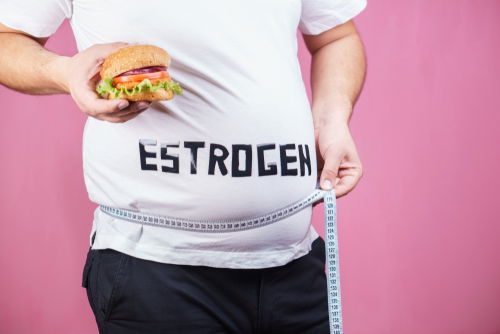
Hormones are powerful chemical messengers, and even small amounts can have significant effects on your body. The way hormones interact with target cells and the type of hormone determines how fast or slow the response or change is noticed.
One of the best way to address hormonal weight gain is by restoring balance to your hormonal communications. Hormones like leptin, insulin, estrogens, and androgens play a big role in your appetite, metabolism, and body fat distribution.
There are two main types of hormones: slow acting hormones like steroids and thyroid hormones, and fast acting hormones like peptides and catecholamines. Your body produces the right amount of each hormone for its needs. Your endocrine system also maintains the balance of hormones in your bloodstream. If there's too much or too little of a hormone, the system signals the glands to correct the issue by changing existing proteins or using genes to create new proteins.
Nutrients Play a Role in Hormone Balance
An adequate intake of nutrients like fiber, omega-3 fatty acids, and antioxidants plays an important role in regulating hormone production and supporting healthy weight loss. Common culprits for imbalances are discussed below:
Estrogen: Estrogen plays an essential role in a female’s journey for growth and development. The primary sex hormone not only regulates menstrual cycles and reproductive system, but it also plays a role in bone formation, blood clotting as well as skin and nail health.
Progesterone: Progesterone helps support the thyroid, which regulates your metabolism. Imbalances between estrogen and progesterone can lead to weight gain, salt cravings, water retention and feeling fat with low progesterone levels being the probable cause.
Testosterone: When testosterone levels fall below normal, muscle mass declines, metabolism slows, and hormonal belly fat takes center stage. By increasing metabolism to restore testosterone balance can help prevent weight gain and even result in weight loss.
Insulin: The fat-storage hormone insulin regulates your blood sugar levels by converting glucose from the foods you consume into fuel for energy and fat for storage in target cells. Insufficient insulin production or poor insulin usage can result in high blood sugar concentrations.
Cortisol: When cortisol is elevated, it causes insulin resistance and slows down metabolism, leading to fat storage. This can result in the accumulation of fat around the waist, causing a saggy abdomen known as the adrenal belly. Avoiding caffeine and high-intensity exercise can also help reduce cortisol release.
Thyroid Hormone: Hypothyroidism, characterized by an underactive thyroid gland, can lead to a slower metabolism, weight gain, and a higher body mass index. Increased weight, especially around the stomach, and a puffy face are common symptoms of hypothyroidism. When the thyroid fails to produce adequate hormones, the metabolism slows down.
Allowing unexpected hormonal weight gain to go untreated increases your risks of developing chronic diseases, such as diabetes, obesity, hypertension, high cholesterol, sleep disturbances, heart disease and certain types of cancer. In addition, imbalances can contribute to mental health problems as well.
Overly processed foods with added sugar and fat is closely linked to hormonal imbalance and weight gain from unsightly fat storage. If you have experienced unexplained weight gain, it may be time to contact Metabolic Research Center for help. Our MRC Hormone Test Kit is easy to use and can help you achieve your goals for healthy living.
By submitting this form, you agree to receive marketing text messages from us at the number provided, including messages sent by autodialer. Consent is not a condition of any purchase. Message and data rates may apply. Message frequency varies. Reply HELP for help or STOP to cancel. View our Privacy Policy and Terms of Service.