Light Exposure & Bedtime Habits for Weight Loss
“Supporting Natural Melatonin Without Supplemental Pills”
Scientific research indicates that the timing, intensity, and duration of light exposure significantly impact your metabolic health and weight loss efforts. According to the Northwestern Medicine Sleep and Circadian Rhythms Research Program, morning light exposure alone can account for about 20% reduction of one’s body mass index (BMI). Unfortunately, exposure to artificial light at night can desynchronize circadian rhythms and disrupt metabolism for weight gain.
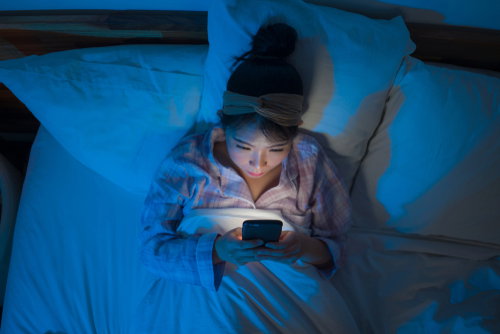
Nonetheless, the can support natural melatonin production without supplemental pills by optimizing your sleep environment for light exposure and cooler temperatures, both steps encourage a natural hormonal release of melatonin. It is equally important to get bright morning light soon after waking up in the mornings to reset your clock. Moreover, it’s crucial to avoid artificial light like blue light from TV screens, cellphones and laptops an hour or two before bed.
In addition, it helps to establish strict rules for winding down that involve relaxing at least 60 minutes by reading, soaking in a tub, or journaling to lower cortisol levels as the stress hormone directly inhibits melatonin release. Using blackout curtains or wearing an eye mask at night helps to ensure the total darkness at night that signals your body to start producing melatonin for fine-tuning your sleep-wake cycle to be in-sync with your circadian rhythm.
Dietary sources of supportive nutrients for sleep...
Although melatonin is a hormone your body makes to help with circadian rhythms for sleep, it is important to mind your consumption of foods late at night. After all, eating right before bed is discouraged as it disrupts the body’s nighttime rhythm, reduces sleep quality, and promotes weight gain. When you force your body to focus on digestion rather than rest, it can increase insulin resistance that leads to higher blood sugar levels, which can signal your body to store extra calories as fat rather than burning them. Melatonin-rich snacks, such as almonds, pistachios, fish and eggs, can be eaten an hour before sleep as protein-forward options can satisfy feelings of hunger. Drinking tart cherry juice is said to provide a natural melatonin boost and eating foods with magnesium (pumpkin seeds) supports relaxation at night.
HIGH-IMPACT NIGHTTIME SLEEP HABITS
When you get a good night's rest, your body enters a natural fat-burning mode, so try sticking to a consistent sleep schedule that includes the weekend. During this time, your insulin levels drop and growth hormones increase. On the flip side, sleep deprivation can trigger hunger signals that can cause you to consume extra calories at the end of the day. Late-night snacking often leads to overeating high-calorie comfort foods, which can disrupt your metabolism. To prevent this, establish a “Kitchen Is Closed” policy two to three hours before bed.
Build a relaxing bridge between your busy day and a restful night by creating a low-stimulation routine and engaging in calming activities before you sleep. Whether you prefer reading a book or practicing deep breathing exercises, these habits help lower your stress-related cortisol levels. Additionally, try sleeping in a cool room. This environment can increase fat browning, which encourages your body to burn extra energy to stay warm, and getting extra sleep can help you naturally avoid unneeded calorie intake.
Your brain’s pineal gland produces melatonin to regulate your body's sleep-wake cycle. While it isn't a sedative, this hormone is responsible for making you feel tired at night and alert in the morning. You can naturally support this cycle by incorporating melatonin-rich foods into your diet. Eggs and fish are excellent animal-based sources, while nuts boast the highest melatonin content among plant foods. You can also find good amounts of melatonin in tart cherries, certain mushrooms, germinated legumes, and seeds.
___________________
Establishing a consistent nighttime routine is a natural way to reduce calorie intake by improving overall sleep quality with the proper timing of melatonin production in darkness and suppression in daylight. Light from smartphones, tablets and computers are particularly disruptive to your circadian rhythm and should be avoided before bedtime. Most importantly, keep the kitchen closed. If you’re struggling to sleep, contact Metabolic Research Center Muncie today. One of our weight loss coaches will be in touch to discuss how you can get a good night’s sleep and still enjoy the weight loss benefits of a protein-first, low carb diet. After all, the quality of sleep you get isn’t just about getting through your daily grind; your gut-brain-melatonin axis is directly linked to increased risk of heart disease, high blood pressure, diabetes, kidney disease, stroke, and obesity.
*NOTE: Generally speaking, melatonin supplementation should be avoided by pregnant or breastfeeding women, those with autoimmune disease, or individuals taking immunosuppressants, blood thinners, or certain blood pressure medications.
By submitting this form, you agree to receive marketing text messages from us at the number provided, including messages sent by autodialer. Consent is not a condition of any purchase. Message and data rates may apply. Message frequency varies. Reply HELP for help or STOP to cancel. View our Privacy Policy and Terms of Service.