Gut Brain Role for Fat Storage
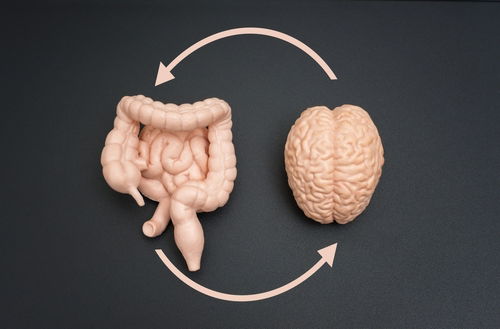
The gut-brain axis is a powerful, two-way communication network that plays a major role in how your body stores fat and manages energy. By using a complex system involving hormones, the gut microbiota, the vagus nerve, and neurotransmitters, this axis helps dictate everything from how much fat you crave to how efficiently your body stores it. When this system is balanced, it senses nutrients effectively and signals the brain to regulate food intake.
However, imbalances can lead to increased fat storage and weight gain. This potentially makes the gut-brain axis a crucial target for understanding and managing obesity, as it regulates appetite, metabolism and energy balance through its bidirectional pathway. With a better understanding of the gut-brain axis, scientists hope to reveal new therapeutic targets, like using probiotics, dietary changes, and GLP-1 receptor agonists (semaglutide, tirzepatide), to improve metabolic health.
Why protein-forward, low-carb nutrition includes the right vegetables...
For those focused on fat loss and stabilizing blood sugar, the goal is to consume high-fiber, low-carbohydrate vegetables. These foods are rich in nutrients and antioxidants, which help slow digestion and keep you feeling full longer. Spinach, kale, Swiss chard, and collard greens are packed with fiber yet low in calories. Spinach, in particular, is noted for its potential to help reduce visceral fat. To maintain a healthy microbiome, it is crucial to balance your intake with diverse sources of protein alongside plenty of fiber.
“At Metabolic Research Center, our approach is protein-forward and low-carb*—but that doesn’t mean vegetables are off the table. The right non-starchy vegetables play a critical role in metabolic health, gut function, and sustainable fat loss.”
Dana McKeen, CEO & Regional Director
When it comes to improving gut health and managing weight, the combination of protein and prebiotic fiber is a powerhouse. In fact, a protein-forward diet plays a complex role in maintaining the physical lining of the gut barrier, known as the intestinal epithelium. This is where protein provides the essential amino acids required to repair this lining and produce mucin, which is a protective mucus layer. So, protein-friendly vegetables offer a unique advantage that also fuel beneficial gut bacteria.
The Dual Role of GLP-1 & Metabolism
A key player in this bidirectional communication network is glucagon-like peptide-1 (GLP-1). Traditionally, we've understood that intestinal cells release GLP-1 in response to food. This release activates the vagus nerve, sending signals to the brain that contribute to feelings of fullness and appetite control in the gut. However, newer research emerging in 2025 and 2026 suggests a more nuanced picture of glucagon-like peptide-1 due to role of the gut-brain axis.
It appears there are two distinct GLP-1 systems at work: one in the gut and one in the brain. While the gut releases the chemical messenger into circulation to communicate generally with the brain, the brain's own GLP-1 system seems to function somewhat independently, acting more like a local neurotransmitter. This brain-based system focuses on precise signaling for appetite control, distinct from the blood sugar regulation typically associated with gut-derived GLP-1.
Adequate protein provides the building blocks necessary for repairing the gut lining. However, balance is key. While some proteins can strengthen the gut barrier by feeding good bacteria, excessive intake of some sources of proteins may lead to harmful microbial byproducts like ammonia and sulfides that can impair barrier function and cause "leaky gut." To maintain a healthy gut, it is important to ensure you consume enough fiber.
Protein-Forward Impacts Your Gut Barrier
When considering a protein-forward diet, the impact on your gut barrier is complex and depends heavily on the protein source. Protein-friendly vegetables for gut health are those that offer a solid combination of plant-based protein and prebiotic fiber, which acts as fuel for beneficial gut bacteria. You can also incorporate colorful options like peppers, tomatoes, and asparagus, as they too are excellent fiber-rich, low-carbohydrate options that both aid digestion and satiety.
Here’s how it works:
- Energy Extraction and Storage – Nutrient metabolism and absorption are interconnected processes that begin the moment you eat. Digestion starts in the mouth and stomach, breaking food down into absorbable nutrients. Once these nutrients reach the small intestine, they move into the bloodstream, where your body converts them into energy and the essential building blocks for life. However, your gut microbiome plays a surprisingly significant role in this energy extraction process that influences how your body uses energy, stores fat and manages weight.
- Production of Short-Chain Fatty Acids – The trillions of bacteria living in your gut help process food through a method called anaerobic fermentation. During this process, gut bacteria break down complex carbohydrates that your body cannot digest, converting them into short-chain fatty acids. These fatty acids provide your body with additional calories that would not be available. Since some have a more efficient mix of bacteria that are better at harvesting energy, they can extract more calories that can contribute to weight gain and obesity.
- Immune System Modulation and Inflammation – Through the "gut-brain axis," your microbiome can even influence your immune system and overall metabolic health. From birth, the trillions of microbes living in your digestive system (known as the gut microbiome) act as personal trainers for your immune system. However, this delicate ecosystem can be disrupted. When the microbial community becomes imbalanced (dysbiosis), it can have serious consequences where a leaky gut triggers inflammation that impairs insulin and increases fat storage.
- Bile Acid Metabolism – Bile acid metabolism plays a significant role in weight management by influencing how your body absorb fat and regulate energy. These acids, formed from cholesterol in the liver, are secreted into the small intestine after you eat to help break down dietary fats and absorb essential fat-soluble vitamins. Once in the intestine, gut bacteria transform primary bile acids into secondary bile acids. These secondary acids act as powerful signaling molecules that help regulate glucose and lipid metabolism, as well as overall energy expenditure.
- Nutrient and Drug Metabolism – Nutrient and drug metabolism play a massive role in weight management. They can alter your appetite, energy expenditure, fat storage, and even fluid balance. For instance, certain medications, such as antidepressants, antipsychotics, and corticosteroids, can act as appetite stimulants or cause the body to retain water. These substances often influence serotonin or hormonal pathways, leading to fat accumulation even without a significant increase in food intake. This creates a difficult cycle where obesity itself can alter metabolism.
By regulating appetite, metabolism and energy balance, the gut-brain axis appears to be the central mechanism for managing metabolic disorders like obesity. It serves as a communication highway where the gut sends signals about food intake and fullness to the brain, which in turn utilizes the bidirectional pathway to regulate eating behavior. Specialized cells in the gut release hormones in response to food. GLP-1 and PYY are anorexigenic hormones that signal satiety to the brain. Conversely, ghrelin is an orexigenic hormone that stimulates hunger when it is time to eat.
_____________________
*Protein-First: How Low-Carb Vegetables Support Weight Loss
While your gut’s initial composition is shaped at birth, it is your lifestyle choices and aging throughout adulthood that defines the day-to-day function of your microbiota. To cultivate a microbial ecosystem that supports long-term weight management, we start by focusing on a holistic (whole person), but uniquely personalized (individual needs) approach that has been developed over several decades of applying the latest science for weight control. Plus, unlike plant-based diets, our approach prioritizes protein to preserve lean mass.
To better support your gut flora, a weight loss coach at MRC will help you design a menu plan that features “protein-forward, low-carb nutrition” with non-starchy, fiber rich vegetables that are micro-nutrient dense to aid microbial balance for better metabolic health and wellness. Your gut also plays a crucial role in how bacteria activate, inactivate, or create toxic byproducts from medications. This interaction is especially important for those using GLP-1 weight loss medications or blood glucose regulators, as gut bacteria can impact bioavailability.
In addition, Metabolic Research Center can assist with your body’s specific needs for probiotics and prebiotics, as well as other weight-related supplementation that may be needed due to specific health issues. Reducing stress, getting adequate sleep, and exercising regularly also promote a healthy gut microbiome. Whether you prefer a prescriptive medical weight loss plan or select a more traditional approach for healthy living, our team can help you identify the best options for maintaining a healthy gut microbiome.
By submitting this form, you agree to receive marketing text messages from us at the number provided, including messages sent by autodialer. Consent is not a condition of any purchase. Message and data rates may apply. Message frequency varies. Reply HELP for help or STOP to cancel. View our Privacy Policy and Terms of Service.