Leaky Gut Can Complicate Weight Loss
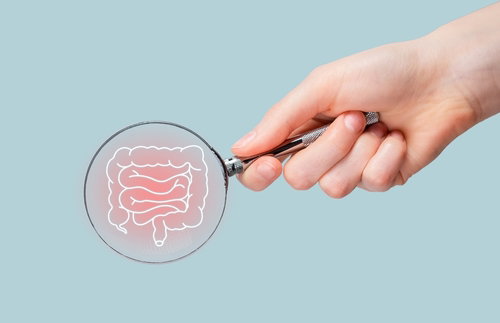
Leaky gut syndrome, or increased intestinal permeability, can significantly complicate weight loss by triggering a cascade of metabolic and hormonal disruptions. When the intestinal lining is compromised, toxins and undigested food particles enter the bloodstream, leading to chronic low-grade inflammation that interferes with the body’s ability to burn fat. By interfering with insulin signaling, it makes gaining weight easier, but makes it harder to lose.
Interventions for healing the gut’s lining with fiber-rich, non-starchy vegetables, fermented food options, fewer processed foods, and regular exercise, such as daily walk. After all, gut microbiome imbalances from poor dietary intake, poorly managed stress, or a sedentary lifestyle can help break this vicious metabolic cycle that essentially forces the body to prioritize fighting inflammation over more efficiently burning excess fat for fuel. Plus, inflammation is known to interfere with normal metabolic processes like insulin signaling.
MRC protein-forward, low-carb nutrition includes the right vegetables...
Gut imbalance due to dysbiosis can impair nutrient absorption and slow metabolic rate, which causes a lack of essential vitamins needed to fuel efficient calorie burning. In addition to fresh vegetables, incorporating fermented options like sauerkraut and kimchi is highly beneficial. These foods introduce live probiotic cultures to your system, working alongside the prebiotic fibers found in onions and garlic to nourish good microbes.
“At Metabolic Research Center, our approach is protein-forward and low-carb*—but that doesn’t mean vegetables are off the table. The right non-starchy vegetables play a critical role in metabolic health, gut function, and sustainable fat loss.”
Dana McKeen, CEO & Regional Director
Low-carb, non-starchy fibers are fermented by gut microbes to produce short-chain fatty acids, such as acetate, propionate, and butyrate. They provide the amino acids necessary for metabolic repair while simultaneously delivering prebiotic fibers that fuel beneficial gut bacteria. Combining leafy greens, cruciferous veggies, and prebiotic powerhouses creates a diverse diet that supports a "protein-forward" metabolic health by including the right vegetables.
Chronic Inflammation Influences Weight Gain
Chronic inflammation drives unintended weight gain by disrupting appetite-regulating hormones like leptin, which can lead to insulin resistance, less efficient metabolic processes, increased stress hormone (cortisol) release, and negative impacts to overall gut health. All of these can lead to higher daily calorie consumption and increased fat storage in the midsection surrounding internal organs. Since excess fat itself causes adipose tissue to expand and multiply, this directly leads to increased body fat mass.
Excess lipids are the fundamental building blocks for stored body fat. When intake consistently surpasses expenditure, fat storage increases. If fat cells become overwhelmed, excess lipids spill out and accumulate in non-adipose tissues as ectopic fat storage around the liver, heart, pancreas, and muscles. In turn, this ectopic fat accumulation triggers cellular stress, impairs the function of nearby organs, and is a major driver of insulin resistance, non-alcoholic fatty liver disease, and metabolic syndrome.
Key indicators of the need for interventions include excess lipids in the blood (hyperlipidemia). Fat-related lipids are typically measured using a lipid panel and healthy targets generally include less than 150 mg/dL of triglycerides, less than 100 mg/dL of LDL cholesterol, and at least 40 mg/dL of HDL cholesterol (or higher). Since fats are essential for structural integrity, cellular regulation, and chemical signaling, scientists today are increasingly referring to fat tissue as an active endocrine organ and not a storage site.
Key Steps for Improving Metabolic Health
The gut’s microorganisms influence numerous bodily systems and the metabolic processes that occur, your microbiome’s role in improving metabolic health has become a popular topic in weight loss circles today. Not surprisingly, since the colonization of your gut begins almost immediately after birth and continues to evolve throughout adulthood. But, there really isn’t a one-size-fits-all approach as unique factors like your birthing method (vaginal or cesarean) and how you were fed (breast milk or formula) immediately influence your immune system.
Here's how to make positive improvements to your metabolic health:
- Dietary Changes – Keto-friendly vegetables support the gut microbiome primarily through prebiotic fiber, which feeds beneficial bacteria, and probiotics found in fermented versions of these vegetables. You can easily integrate gut-healthy, keto-friendly ingredients into your routine through sautéed sides, soups and salads to ensure you get the plant-rich fiber without getting kicked out of ketosis. Plant compounds found in dark leafy greens and colorful veggies can reduce inflammation and non-digestible fibers, like those in onions and garlic, can nourish microbial balance.
- Lifestyle Adjustments – Nurturing a healthy gut is essential for better weight control and overall well-being. While your microbiome begins forming at birth, your adult gut health is largely determined by lifestyle and environmental factors rather than genetics alone. Disruptions caused by stress, illness, or a poor diet can upset this delicate balance, potentially leading to metabolic issues and unintended weight gain. To foster a thriving microbiome, focus on a holistic approach, stay hydrated, limit processed foods, and prioritize exercise, sleep quality, and stress management.
- Gut Health Supplements – While obtaining nutrients from whole foods is always the ideal approach, supplements can play a vital role in restoring, repairing, and balancing your gut microbiome. Researchers are actively exploring how specific compounds can support metabolic health and improve nutrient absorption. For example, probiotics are live microorganisms that balance gut flora and work best paired with prebiotic fibers that bacteria. L-Glutamine is an amino acid, protein building block that can drop during illness and injury and require supplementation.
Beyond modifications to daily dietary intake, your existing lifestyle choices and supplementation as needed, habits like smoking and excess alcohol consumption can damage your gut’s sensitive lining, weakening the barrier, and reducing microbial diversity. Fortunately, your gut is resilient; so quitting smoking and moderating alcohol intake allows the gut lining to heal and beneficial bacteria to flourish again. Since factors like diet and exercise are key players in the obesity epidemic, it is clear that a healthy gut is a crucial piece of the puzzle.
_____________________
*Protein-First: How Low-Carb Vegetables Support Weight Loss
While your gut’s initial composition is shaped at birth, it is your lifestyle choices and aging throughout adulthood that defines the day-to-day function of your microbiota. To cultivate a microbial ecosystem that supports long-term weight management, we start by focusing on a holistic (whole person), but uniquely personalized (individual needs) approach that has been developed over several decades of applying the latest science for weight control. Plus, unlike plant-based diets, our approach prioritizes protein to preserve lean mass.
To better support your gut flora, a weight loss coach at MRC will help you design a menu plan that features “protein-forward, low-carb nutrition” with non-starchy, fiber rich vegetables that are micro-nutrient dense to aid microbial balance for better metabolic health and wellness. Your gut also plays a crucial role in how bacteria activate, inactivate, or create toxic byproducts from medications. This interaction is especially important for those using GLP-1 weight loss medications or blood glucose regulators, as gut bacteria can impact bioavailability.
In addition, Metabolic Research Center can assist with your body’s specific needs for probiotics and prebiotics, as well as other weight-related supplementation that may be needed due to specific health issues. Reducing stress, getting adequate sleep, and exercising regularly also promote a healthy gut microbiome. Whether you prefer a prescriptive medical weight loss plan or select a more traditional approach for healthy living, our team can help you identify the best options for maintaining a healthy gut microbiome.
By submitting this form, you agree to receive marketing text messages from us at the number provided, including messages sent by autodialer. Consent is not a condition of any purchase. Message and data rates may apply. Message frequency varies. Reply HELP for help or STOP to cancel. View our Privacy Policy and Terms of Service.