Lengthy Melatonin Use May Increase Heart Failure
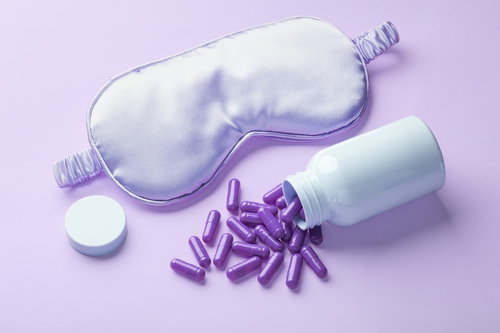
“Studies Suggest the Sleep Hormone May Fuel Anxiety”
Melatonin is an important hormone that your body naturally produces. Its primary purpose is to regulate your sleep-wake cycles that are inherent to your body’s circadian rhythm. However, a recent large-scale study presented at the American Heart Association's Scientific Sessions 2025 New Orleans found a strong association between long-term melatonin use and an increased risk of heart failure, though the study did not prove that melatonin was the direct cause.
The research analyzed electronic health records of over 130,000 adults with chronic insomnia over a five-year period and compared those who used melatonin for at least one year to those who did not. Although this observational study shows a link, it doesn’t prove that melatonin (itself) causes heart damage. After all, chronic sleep issues can sometimes be an early warning sign of heart failure and people who take melatonin long-term may have chronic insomnia.
Nonetheless, by personalizing your daily dietary intake to include foods that boost melatonin, you can naturally increase your production of the sleep-related hormone. Interestingly, melatonin is not a sedative but a neurotransmitter that signals the brain to release the hormone that regulates your sleep-wake cycles. Tart cherries, pistachios, almonds, eggs, and fatty fish like salmon are effective options for your late meal or snack, but at least an hour or two before bedtime. Lean sources of protein like turkey, chicken, soy products, portobello mushrooms, seaweed, and broccoli are notable sources of a key amino acid called tryptophan.
Conversion pathway from protein-first to melatonin...
Generally speaking, tryptophan consumed before bed can decrease the time taken to fall asleep in those with mild insomnia or sleep latency. Fortunately, high-protein sources of food like poultry, red meat, dairy, nuts, seeds, and soy contain tryptophan. This essential amino acid is used by your body to build proteins and produce key neurotransmitters like serotonin. As an essential amino acid, it does mean that tryptophan cannot be produced by the body and must be obtained through a protein-forward menu plan or supplements. Tryptophan is converted into melatonin through a four-step enzymatic pathway in the pineal gland, transforming it into serotonin that is methylated into melatonin. So, beyond its role in building important proteins, tryptophan is a precursor for vitamin B3 (niacin), serotonin, and eventually melatonin.
New Study Raises Question About Melatonin
Melatonin has a strong track record of helping people fall and stay asleep. However, taking melatonin nightly isn't without its drawbacks. Common side effects include daytime drowsiness, headaches, dizziness, vivid dreams, and irritability. Furthermore, relying on supplements can sometimes mask deeper sleep issues, and taking high doses might actually worsen sleep quality or cause excessive grogginess. Plus, research is limited on its potential interactions with medications like blood thinners, diabetes drugs, and antidepressants.
Recent preliminary research has raised new concerns about prolonged use. A study presented in November 2025 at the American Heart Association's Scientific Sessions in New Orleans suggests that using melatonin for a year or more may be linked to adverse health effects. Researchers reviewed five years of electronic health records from 130,828 adults diagnosed with insomnia. The main analysis found that those who used melatonin long-term had about a 90% higher chance of developing heart failure over five years compared to those who didn’t take it.
Furthermore, the study revealed that people taking melatonin were nearly 3.5 times more likely to be hospitalized for heart failure. While this study has not yet been peer-reviewed and should be viewed as early evidence, it highlights the broad range as to how melatonin affects the body. Binding sites for the hormone are found not just in the brain, but also in immune system cells, gonads, kidneys, and the cardiovascular system. In the UK and most of Europe, it is classified as a medicine rather than an over-the-counter health supplement.
__________________
Not all of the news about melatonin is negative. Beyond sleep, research suggests the sleep hormone may offer additional health benefits, such as soothing irritable gut issues. So, melatonin hormone is an important antioxidant that reduces oxidative stress and inflammation, which actually supports cardiovascular health by lowering blood pressure, improving immune function and easing anxiety. If you’re struggling to sleep, contact Metabolic Research Center Jacksonville Ortega today. One of our weight loss coaches will be in touch to discuss how you can get a good night’s sleep and still enjoy the weight loss benefits of a protein-first, low carb diet. After all, the quality of sleep you get isn’t just about getting through your daily grind; your gut-brain-melatonin axis is directly linked to increased risk of heart disease, high blood pressure, diabetes, kidney disease, stroke, and obesity.
*NOTE: Generally speaking, melatonin supplementation should be avoided by pregnant or breastfeeding women, those with autoimmune disease, or individuals taking immunosuppressants, blood thinners, or certain blood pressure medications.
By submitting this form, you agree to receive marketing text messages from us at the number provided, including messages sent by autodialer. Consent is not a condition of any purchase. Message and data rates may apply. Message frequency varies. Reply HELP for help or STOP to cancel. View our Privacy Policy and Terms of Service.