Low Carb Veggies for Metabolic Health
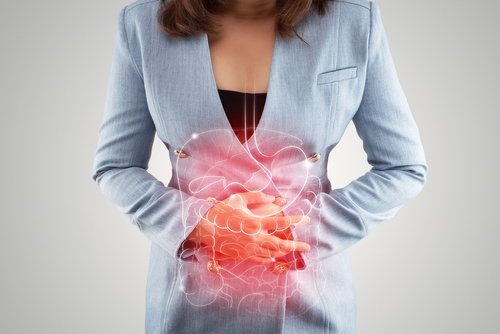
Your gut microbiota is a collection of trillions of microorganisms that live within the gastrointestinal tract and provide crucial signaling metabolites for hosts. When the microbiome is in a healthy state, gut metabolites are helpful in maintaining the basic functions of hosts. However, when the production of microbial metabolites is disturbed by gut imbalances, these metabolites can lead to metabolic, cardiovascular, gastrointestinal, and neurodegenerative diseases.
The importance of gut microbiome for health and wellness has been recognized for a long time, only in recent decades has science’s understanding begun to surge due to the progress made in genomics, metabolomics, and unique technologies like culturomics. Produced from dietary compounds like fiber, microbial metabolites are molecules that can contain short-chain fatty acids, tryptophan derivatives, and bile acids that serve as energy sources. In addition, they integrate with host metabolism.
Why protein-forward, low-carb nutrition includes the right vegetables...
For a diet that supports both your muscles and your microbiome, look no further than protein-rich, high-fiber vegetables. Along with leafy greens like spinach and kale, these are are true dual-action foods. They provide essential amino acids for metabolic repair while delivering the prebiotic fiber your gut bacteria crave. By prioritizing these veggies and perhaps pairing them with fermented foods like sauerkraut, you’re fueling a diverse ecosystem that protects against weight gain by boosting insulin sensitivity and keeps your metabolism humming.
“At Metabolic Research Center, our approach is protein-forward and low-carb*—but that doesn’t mean vegetables are off the table. The right non-starchy vegetables play a critical role in metabolic health, gut function, and sustainable fat loss.”
Dana McKeen, CEO & Regional Director
Low-carb doesn't have to mean low-nutrient. In fact, leafy greens and cruciferous vegetables are packed with vitamins and minerals while being extremely low in net carbs. It's highly unlikely you could eat enough spinach or broccoli to kick yourself out of ketosis, though you should always listen to your body to avoid GI distress. Finally, avoid plant-based sugars like cane sugar or beet sugar,as these will spike your blood sugar and disrupt ketosis. A simple rule of thumb is that vegetables grown above ground are usually keto-friendly, while root vegetables tend to be higher in starch and carbs.
Obesity Profile May Boost Weight Gain
An obesity profile, which encompasses specific biological, hormonal, and environmental factors in the microbiota, can create a self-perpetuating cycle that promotes unintended weight gain and makes weight loss more difficult. Once significant adipose tissue is accumulated, the body often undergoes metabolic and hormonal changes, such as leptin resistance and chronic inflammation, that drive further weight gain rather than satiety. In addition, some studies have linked viral infections to increased fat storage due to reduced glucose control.
While an obesity profile makes it easier to gain weight, studies indicate that both dietary and lifestyle causes are often reversible. Certain obesity-related microbes like those in the Firmicutes phylum are gut flora that can increase energy harvest from food intake by fermenting otherwise indigestible carbohydrates into short-chain fatty acids. These fatty acids are a proven source of calories that your body can absorb. However, they also can contribute to increased energy storage and unintentional weight gain. SCFAs can be absorbed by the gut for energy or used by the microbes for their own growth.
Other factors beyond microbial energy harvest, such as inflammation and hormone regulation, are also known to play a significant role in calorie absorption. But generally speaking, microbial metabolites in both mice and humans can increase the host’s capacity to harvest more energy from their daily diet. As a result, humans with an obese microbiome tend to have less energy remaining in their feces as compared to their lean counterparts following the same dietary plan. So, the ability transfer traits via fecal transplant further supports the casual role of gut microbes in host energy balance.
Feed Your Flora for Metabolic Health
Human gut flora is inhabited by numerous bacteria, fungi and archaea that live in a unique microbial community in the digestive tract. Trillions of strains comprising more than 1,000 bacterial species reside in your gut and maintain a symbiotic relationships with the host. Gut flora can utilize the nutrients ingested by the host to help maintain healthy homeostasis. Recent research also shows an imbalance or disruption to the microbial structure, known as dysbiosis, is linked to allergies and autoimmune diseases as well as certain types of cancer.
Here’s how it works:
- Nutrient Metabolism and Absorption – Nutrient metabolism and nutrient absorption are interconnected digestive processes. Your body first breaks down food into absorbable nutrients and then converts those nutrients into energy and building blocks for life. However, the journey begins before the gut as ingestion and digestion starts in mouth and stomach. Nutrients absorbed in the small intestine are moved into the bloodstream, which concludes with nutrient metabolism for energy production and repair.
- Production of Short-Chain Fatty Acids – When gut bacteria break down fiber and complex carbs, they produce short-chain fatty acids that are a powerhouse for metabolic health. Butyrate is the main energy source for your colon cells and keep your gut lining healthy. Acetate is the most common SCFA that is used by the body to create fat and cholesterol. Propionate helps produce glucose in the liver and signals the brain you are full. Together, they trigger satiety hormones like PYY and GLP-1.
- Maintenance of Immune Function Pathogens – Maintaining immune function against pathogens involves a combination of healthy lifestyle habits but starts with eating a balanced diet, getting quality sleep, routine exercise, overt stress management, and avoiding smoking or excessive alcohol consumption. Plus, obesity is linked to poorer immune function. So, many different metabolic functions work together to support your body’s complex defense system for boosting immunity and preventing illness.
- Bile Acid and Lipid Metabolism – Bile acids are made by your gut bacteria from cholesterol in the liver. Then, primary bile acids are released into the intestinal tract to help your body absorb fats and fat-soluble vitamins from the food consumed. After that the gut bacteria then transform primary bile acids into secondary bile acids. Interestingly, these are not just metabolic waste products and act as signaling molecules that help regulate both fat metabolism and sugar metabolism. About 95% of bile acids are reabsorbed.
- Regulation of Intestinal Motility – The enteric nervous system (ENS) of the gut-brain axis is central to the regulation of intestinal motility. It is a complex process that involves the coordination of smooth muscles, neurons and various hormones like ghrelin and motilin. In addition, gut microbiota metabolites influence gut motility via its connection with the body’s central nervous system. Both short-chain fatty acids and tryptophan metabolites can alter gut motility.
Based on data from the Centers of Disease Control and Prevention n 2021, nearly 75% of American adults were categorized as overweight (BMI of 25 to 29.9) or obese (BMI of 30 or higher). That means nearly one in three adults were overweight and more than two in five adults in America suffered with obesity. In addition to food and drinks, time spent on sedentary behaviors, sleep habits, and medications, other factors that may contribute to excess unintended weight gain include genetics and overall gut microbiome health.
_____________________
*Protein-First: How Low-Carb Vegetables Support Weight Loss
While your gut’s initial composition is shaped at birth, it is your lifestyle choices and aging throughout adulthood that defines the day-to-day function of your microbiota. To cultivate a microbial ecosystem that supports long-term weight management, we start by focusing on a holistic (whole person), but uniquely personalized (individual needs) approach that has been developed over several decades of applying the latest science for weight control. Plus, unlike plant-based diets, our approach prioritizes protein to preserve lean mass.
To better support your gut flora, a weight loss coach at MRC will help you design a menu plan that features “protein-forward, low-carb nutrition” with non-starchy, fiber rich vegetables that are micro-nutrient dense to aid microbial balance for better metabolic health and wellness. Your gut also plays a crucial role in how bacteria activate, inactivate, or create toxic byproducts from medications. This interaction is especially important for those using GLP-1 weight loss medications or blood glucose regulators, as gut bacteria can impact bioavailability.
In addition, Metabolic Research Center can assist with your body’s specific needs for probiotics and prebiotics, as well as other weight-related supplementation that may be needed due to specific health issues. Reducing stress, getting adequate sleep, and exercising regularly also promote a healthy gut microbiome. Whether you prefer a prescriptive medical weight loss plan or select a more traditional approach for healthy living, our team can help you identify the best options for maintaining a healthy gut microbiome.
By submitting this form, you agree to receive marketing text messages from us at the number provided, including messages sent by autodialer. Consent is not a condition of any purchase. Message and data rates may apply. Message frequency varies. Reply HELP for help or STOP to cancel. View our Privacy Policy and Terms of Service.