Do GLP-1 Meds Restore Balance in Metabolic Pathways?
“Though GLP-1s are not a hormone replacement therapy, they can help the body fix disruptions to chemical signaling.”
Achieving hormone balance in key metabolic pathways can be a challenge, as some people have to juggle appetite for blood sugar regulation to control daily energy levels. Recently, prescriptive GLP-1 receptor agonists have emerged as powerful tools for supporting metabolic health and restoring one’s wellbeing. Although originally developed to treat type 2 diabetes, these medications are now FDA-approved with an ability to help restore balance across gut/brain pathways.
Glucagon-like peptide-1 is the hormone that is naturally released in the gut after food intake. But, GLP-1 incretin mimetics are medications that mimic the natural gut hormone by triggering receptors in the brain to help manage blood sugar, control weight, and improve heart health. By binding directly to receptors, GLP-1 formulations help to re-establish hormonal equilibrium for metabolic harmony, especially when combined with key lifestyle changes.
Clinical studies suggest that hormonal imbalances are a common culprit directly linked to unintended changes in one’s weight caused by hormonal dysfunction due to chemical messengers that are not at the correct level. For example, women are prone to estrogen dominance during menopausal phases as estrogen and progesterone levels both rise and fall throughout. Specifically, high estrogen hormone imbalance can then increases fat deposits in her waist, hips and thighs.
Can GLP-1 receptor agonists increase estrogen levels?
No, not directly. However, on popular forums like Reddit, some users report changes in menopausal cycles and symptoms that appear to have shifted after they were prescribed a GLP-1 receptor agonist. Although estrogen can enhance how a woman’s brain and body respond to GLP-1 incretin mimetics, the drugs themselves do not raise estrogen levels. However, fat cells (adipose tissue) contain the enzyme aromatase that converts androgens produced in adrenal glands and a woman’s ovaries into estrogen. Plus, the amount of estrogen her body produces is directly linked to a woman’s total percentage of body fat.
Can body fat increase estrogen hormone levels in males?
No, not directly. But having more body fat means having more aromatase in men too. But, in men these enzymes lead to a faster conversion of testosterone into estrogen. Then, having higher estrogen levels tells his brain to slow down testosterone release, which immediately cause levels to drop even more. But, when men have increased estrogen compared to testosterone, their body tends to store excess fat in the chest, abdomen and hips, which can shift fat distribution closer to a feminine pattern around his hips. However, lower levels of testosterone often promote midsection weight gain with a soft “potbelly.”
Can fat cells release estrogen when taking GLP-1 medications?
Yes. As you lose weight, your fat cells shrink and release stored hormones directly into the bloodstream. Moreover, fat cells continuously produce and store estrogen. However, when either a man or woman’s body sheds weight, adipose tissue acts like a sponge that releases hoarded molecules metabolized in the blood and then excreted by the body. With that said, while an immediate release of enzymes can result in temporary hormonal fluctuations, weight lost over the long term can actually lower one’s estrogen burden. Chances are, if you’ve been dealing with estrogen dominance, losing weight via GLP-1 will help.
Can changes to GLP-1 dosing help regulate metabolism?
Yes. GLP-1 incretin mimetics interact with sex hormones (estrogen, progesterone and testosterone) to enhance the sensitivity of beta cells in the man or woman’s pancreas to glucose by lowering one’s blood sugar levels. If you have been struggling with metabolic inefficiencies related to common hormonal shifts, it is always important to perform simple hormone and genetic testing to get a better understanding of your body’s unique needs for managing dosages of prescriptive GLP-1 weight loss medications, as well as to decide whether or not hormone replacement therapy may be necessary.
Do Protein-Forward Whole Foods Restore Endocrine Health?
Without doubt, a personalized protein-forward menu plan could help support hormone production for members of either sex that are prescribed a GLP-1 receptor agonist to lose weight. Although there is not a single food that can magically fix hormonal imbalances, a protein-forward menu plan and a protein-first eating pattern provide the building blocks that your body needs. That means both single-action GLP-1s like semaglutide and a dual-hormone that combines GLP-1 with glucagon-like insulinotropic polypeptide (GIP) like tirzepatide may be that added component needed for restoring hormonal wellness.
By understanding how GLP-1s work, meeting one-on-one with a weight loss coach at MRC Jacksonville Beaches, and personalizing a protein-forward menu plan (with predetermined snacks), you can take significant steps toward restoring hormonal balance across key metabolic pathways. Fatty fish like salmon or mackerel contain omega-3 fatty acids that lower systemic inflammation and support overall endocrine function. Plant-based proteins like leafy greens, spinach and kale are rich in magnesium, which is linked to healthy testosterone levels.
Nuts and seeds like walnuts and pumpkin seeds help supply the body with zinc, magnesium and unsaturated fats that are considered to be essential for reproductive health as well as testosterone production and release. Whole foods like pomegranates have high levels of plant antioxidants (polyphenols) that can reduce the release of stress hormones like cortisol to support better blood flow and hormone regulation. Also well known for its high concentration of crucial minerals like zinc, eating oysters aids in metabolizing of key hormones.
_______________________
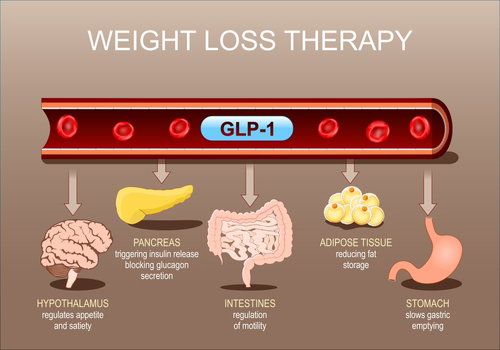
Both single and dual-hormone GLP-1 receptor agonists can restore hormone balance when prescribed for weight loss by mimicking natural gut hormones to boost insulin, block glucagon, and signal fullness in the brain. These latest incretin mimetics help fix faulty metabolic signals so your body naturally stops storing excess fat by reducing those constant feelings of hunger. They signal the pancreas to release insulin only when blood sugar levels rise and turn off annoying food noise by slowing gastric emptying of food leaving the stomach. At Metabolic Research Center Jacksonville Beaches, our goal is to provide the GLP-1 support needed to create a customized program that preserves crucial muscle mass, limits the common side effects of using a GLP-1 receptor agonist, and produces the changes your body needs for sustainable weight control.
By submitting this form, you agree to receive marketing text messages from us at the number provided, including messages sent by autodialer. Consent is not a condition of any purchase. Message and data rates may apply. Message frequency varies. Reply HELP for help or STOP to cancel. View our Privacy Policy and Terms of Service.