Why Focus on When You Eat What.. for Weight Loss?
“Learn More About Timing Meals with Natural Body Rhythms at MRC Greeley”
Aligning when you eat what with your natural body rhythms can help prevent metabolic issues by stabilizing blood sugar with consistent sources of nutritious food to prevent brain fog. Fact is nutrient-dense foods like antioxidants and healthy fats reduce oxidative stress and provide a steady supply of energy for your brain. Moreover, eating at consistent times each day helps to prevent overeating as your body naturally adapts to food intake at regular intervals.
Focusing on when you eat (chrono-nutrition) is just as important as choosing what to eat because your body’s metabolism is governed by the same circadian rhythms that influence lipid metabolism, glucose, energy expenditure, hormone secretion, and a host of digestive functions. For example, your internal clock sets glucose tolerance, which is higher during the day at meal time and lower at night.
In humans, circadian integration of metabolic systems optimizes energy harvesting and dictates fat utilization across light and dark cycles each day. However, chronic disruptions to an adult’s feeding and fasting cycles, such as misaligned meal times and late-night eating, have been linked to higher rates of metabolic syndrome, cardiovascular disease, Type 2 diabetes, and obesity. Plus, eating during your circadian night is metabolically less effective and increases fat storage due to unexpected blood sugar spikes.
The satisfaction factor related to the how and why of eating...
Often called the Experience Factor for Eating, it is the intentional practice of bringing sensory awareness to your meal times and snacks to experience satisfaction, rather than simply filling up the gut. Moreover, recent studies suggest that focusing on the satisfaction factor, which is known as mindful eating, may be just as important as what and why you’re consuming the nutritional content. In turn, moving away from restrictive rules like calorie counting and paying closer attention to internal hunger and fullness cues makes it easier to adjust eating patterns to lower food-related stress. Savoring your food’s flavors and textures through all bodily senses helps your brain register satiety more accurately to prevent mindless overconsumption linked to distractions like a TV or smartphone. Plus, eating what your really want creates contentment, and often with less overall food intake.
HOW TO CREATE YOUR EATING EXPERIENCE AND WHY
Circadian rhythms in the human body orchestrate daily metabolic processes by aligning key physiological needs within a twenty-four hour cycle. In turn, this impacts energy expenditure for both glucose and lipid metabolism. Unfortunately, disruptions like shift work or poor eating habits, can cause metabolic havoc linked to hormonal imbalances due to the release of insulin, leptin (fullness), ghrelin (hunger), and cortisol (stress) hormones at incorrect times. Poor timing of gut motility, enzyme secretion and nutrient absorption are linked to dysbiosis.
Dysbiosis is an imbalance in the gut microbiome that is often caused by eating the wrong foods (what) at the wrong times (when) and for the wrong reasons (why). Menu plans filled with highly processed foods, saturated fats, refined sugars, and food additives like emulsifiers and preservatives trigger a detrimental imbalance in gut bacteria. In addition to these food timing issues, lifestyle and environmental factors like chronic stress, lack of exercise, poor quality of sleep, and excessive alcohol consumption are culprits that can alter gut flora.
Generally speaking, it is important to consume food within a feeding window that begins earlier in the day and fairly soon after waking up to start your day. For many adults, it helps to front-end load the calories by eating a large breakfast, a medium lunch, and a light but early dinner. Studies suggest that adults who eat their main meal before 3 p.m. lose more weight. But, it is also important to establish a consistent schedule that is personalized to optimize your eating times, in order to keep your body’s metabolic rhythms in sync.
_______________________
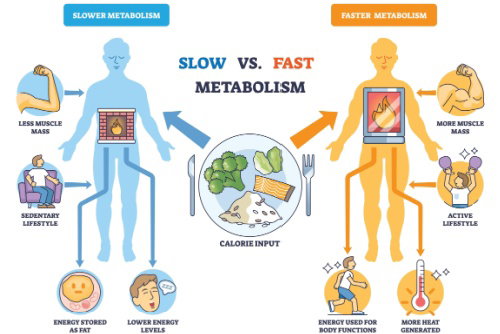
Focusing on what you eat for nutrition is fundamental for metabolic health and wellbeing. But, by shifting your attention to when, why, and how you eat may be the missing link for sustainable weight management. Since the constant mental chatter about food cravings and guilt can be exhausting, concentrating on the experience of eating can increase your overall enjoyment of textures and flavors to improve your relationship with the food you choose to eat. If you’re trying to decide whether a prescription-based weight loss plan or a more holistic metabolic weight loss program is right for you, contact MRC Greeley today. One of our weight loss coaches will be in touch to discuss how hormone imbalances, genetic factors and key lifestyle habits may have slowed your metabolism and led to unintended weight gain. After all, hormonal balance can be restored and disrupted metabolic rates can be reset with a personalized approach.
By submitting this form, you agree to receive marketing text messages from us at the number provided, including messages sent by autodialer. Consent is not a condition of any purchase. Message and data rates may apply. Message frequency varies. Reply HELP for help or STOP to cancel. View our Privacy Policy and Terms of Service.