Which GLP-1 Medication Is Best for You?
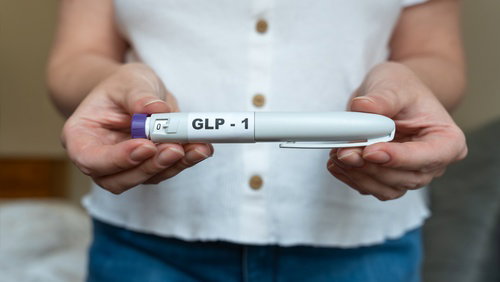
“GLP-1 drugs are expensive and coverages vary depending on why an incretin mimetic is being prescribed.”
When prescribing the best GLP-1 weight loss medication for you, a professional provider evaluates your medical history, reviews your current medications, and calculates your current body mass index. A BMI of 30 or higher (obesity), or a BMI of 27 with a weight-related condition like high blood pressure or diabetes, may qualify for creation of a prescriptive weight loss program. Clinical reviews allow potential patients to meet in-person or via a telehealth link with their provider to discuss their medical history, diagnosis and proposed treatment plan.
Although clinical trials have shown that the dual-action GLP-1 receptor agonist called tirzepatide can produce weight loss more efficiently in some patients by yielding an average loss in excess of 20%, not everyone can take this prescription-only medication. In fact, this powerful incretin mimetic carries warnings for pregnant or breastfeeding women, those with a history of pancreatitis, Type 1 diabetics, and adults with certain thyroid conditions or a family history of medullary thyroid carcinoma or multiple endocrine neoplasia.
Liraglutide was one of the earliest glucagon-like peptide-1 RAs that was FDA-approved for weight management in older children (age 12 or up) as a daily injection used alongside a reduced-calorie diet and increased physical activity based on that person’s age, sex and body mass index (BMI). Semaglutide earned its popularity through clinical trials as a weekly injectable that produced 15% to 20% weight loss by slowing digestion and quieting food cravings. Researchers are also finding it may be useful for treating addiction, dementia, and heart disease.
Can switching GLP-1 medications reduce side effects?
Yes, but successfully switching GLP-1 medications to help reduce side effects like gastrointestinal discomfort depends on the specific drug prescribed, how dosages are managed, and the man or woman’s unique body chemistry. Fact is, there is no single “best solution” due to differing human tolerances. To help the stomach adjust safely, your doctor may suggest changing your existing or new-prescribed GLP-1 receptor agonist to a lower dose to avoid familiar side effects like mild nausea, bloating or constipation. This is where a compounded GLP-1 formula minus key inactive ingredients may influence how your digestive system reacts.
Which GLP-1 allows for spot reduction of visceral belly fat?
Unfortunately, there is no GLP-1 medication that allows for true “spot reduction” of visceral belly fat as part of overall system weight reduction. Melting this more dangerous form of fat stored around internal organs in the mid-section is indeed a myth at this point. However, since deep visceral abdominal fat is metabolically active and responsive to improved insulin sensitivity, reduction in waist measurement and a lessening of more deeply stored organ fat are driven by the same reduction in calorie intake and better metabolic efficiency that promotes the generalized loss of adipose tissue (white, brown or beige).
Where does fat tissue go when GLP-1 triggers weight loss?
When a GLP-1 receptor agonist is prescribed to help you lose weight, your body responds to the energy deficit by releasing key hormonal signals to trigger fat breakdown (lipolysis). Stored fat is released (fat oxidation) into your bloodstream as fatty acids and glycerol that travel to energy-burning tissues, such as muscles, where lipids are burned for fuel. While the body utilizes carbohydrates first to meet the body’s short-term needs, fatty lipids provide a sustainable energy reservoir that gram for gram doubles the energy released from carbohydrates and proteins during fasting, rest, or physical activities.
How do I know if my body is burning fat for fuel?
When your body successfully burns fat, the chemical bonds are broken and fat physically leaves your body as carbon dioxide as you exhale, and via water as urine or sweat. Although the number on your bathroom scale may not reflect it, you may feel better and notice that your favorite clothes fit more nicely without a noticeable drop in weight. When burning fat, your body releases glycogen and water for the kidneys to excrete so you may notice a more frequent need to urinate as well as increased thirst. Moreover, a body running on fat for fuel avoids a rollercoaster of blood sugar spikes and crashes, thus far fewer food cravings.
Do Protein-Forward Foods Support GLP-1 Medications?
Yes, without doubt personalized menu strategies based on protein-forward foods strongly support the long-term weight-loss results related to using a prescription GLP-1 receptor agonist. Synthetically-produced glucagon-like peptide-1 can trigger faster weight loss, which is a metabolic change that is often met with more significant loss of calorie-burning muscle mass rather than fat. Quality sources of both lean animal and low-glycemic plant-based proteins helps to preserve muscle, enhance satiety, and reduce your overall daily food intake. Plus protein forward eating helps ensure the body gets essential nutrients when eating small portions.
So, what should you eat while taking a GLP-1 medication? Well for starters, eating less shouldn’t mean that you are eating worse, especially in response to a sudden reduction in hunger. In fact, prioritizing protein intake throughout the day is essential as excess protein consumed each day is not stored in reserve like other macronutrients. This means protein-pacing should be at the center of your intake of food at mealtime and snack time. Generally speaking, fresh, flavorful, fiber-packed, and protein-rich foods are very GLP-1 friendly and help to support sustainable weight loss for improved metabolic health and wellbeing.
Nonetheless, the key reason protein is so important when someone starts by boosting their weight loss efforts using a prescriptive incretin mimetic to slow digestion, stabilize blood sugar, and reduce appetite is to minimize muscle loss early on. Instead of thinking that you’re on a diet and need to reduce food consumption, let the GLP-1 medication that your doctor prescribed do its job. This is where a protein-forward approach allows you to focus on consuming fiber-rich sources of quality proteins first, which naturally slows digestion and reduces hunger before consuming other macronutrients.
__________________________
Determining the best GLP-1 receptor agonist to prescribe for your medical weight loss journey depends on your medical history, family genetics, individual health goals, insurance coverage, and personal preferences like needle aversion. To find out which option best fits your profile, schedule a FREE consultation today at MRC Greeley to review your options with a weight-loss specialist. At Metabolic Research Center Greeley, our goal is to provide the GLP-1 support needed to create a customized program that preserves crucial muscle mass, limits the common side effects of using a GLP-1 receptor agonist, and produces the changes your body needs for sustainable weight control.
By submitting this form, you agree to receive marketing text messages from us at the number provided, including messages sent by autodialer. Consent is not a condition of any purchase. Message and data rates may apply. Message frequency varies. Reply HELP for help or STOP to cancel. View our Privacy Policy and Terms of Service.