Gut Check: How’s Your Microbiome Doing?
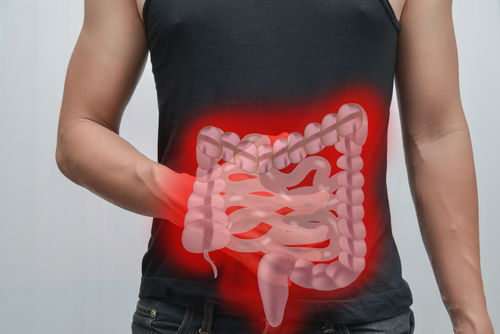
The gut microbiome acts like an engine for the body’s metabolic processes. By breaking down complex carbohydrates and fibers into short-chain fatty acids, healthy gut bacteria fuel the cells in your digestive tract and trigger vital metabolic signals. Beyond digestion, they play a crucial role in synthesizing nutrients, absorbing fats, and even producing vitamins your body cannot make on its own. Plus, the diversity of bacteria dictates how you harvest energy from food.
Because gut bacteria influence energy harvest, imbalances in the microbiome are increasingly linked to obesity and metabolic disorders like type 2 diabetes. A diverse ecosystem of bacteria reinforces the intestinal barrier, preventing "leaky gut,” a condition where increased permeability allows inflammatory substances to enter the bloodstream. It is this low-grade chronic inflammation that is a key driver of fat accumulation and unintended weight gain.
Why protein-forward, low-carb nutrition includes the right vegetables...
Low-carb vegetables, especially those high in prebiotic fibers, play a crucial role in maintaining gut balance by feeding beneficial bacteria. These plant-based options act as fuel for a healthier microbiome, encouraging the production of short-chain fatty acids like butyrate, which help reduce inflammation and support neurotransmitter production for better mood and brain health. To maximize these benefits, focus on non-starchy staples such as leafy greens, cruciferous veggies, and prebiotic powerhouses like asparagus, garlic, and onions.
“At Metabolic Research Center, our approach is protein-forward and low-carb*—but that doesn’t mean vegetables are off the table. The right non-starchy vegetables play a critical role in metabolic health, gut function, and sustainable fat loss.”
Dana McKeen, CEO & Regional Director
Did you know that 95% of your body’s serotonin, along with other key mood regulators like dopamine, is produced by gut bacteria? This connection forms the "microbiota-gut-brain axis," a complex communication network that links your digestive system directly to your brain via the vagus nerve. Disruption in this bacterial balance (dysbiosis) is associated with mental health conditions such as anxiety and depression. Foods rich in fiber and probiotics help regulate neurotransmitter production and reduce inflammation.
Non-Starchy Vegetables Feed Good Bacteria
The gut microbiome is a complex ecosystem of bacteria, viruses, fungi, and other microorganisms living in your digestive tract. This microscopic world is crucial for human health, aiding in digestion, breaking down food, synthesizing vitamins, and educating the immune system. A balanced microbiome is linked to improved physical and mental health, while gut bacteria imbalance is associated with various metabolic disorders. To support your gut, experts often recommend a combination of non-starchy veggies and fermented foods.
Non-starchy vegetables are excellent for feeding beneficial gut bacteria because they are rich in prebiotic fibers, like inulin and oligosaccharides. Gut microbes ferment the fiber to promote growth of good bacteria (Bifidobacteria, Lactobacilli) and producing health-boosting short-chain fatty acids that allow them to reach the colon and feed beneficial gut bacteria. Key examples include onions, garlic, leeks, asparagus, jicama, dandelion greens, and cruciferous veggies like broccoli and cauliflower, all of which support immune function, digestion, and overall health.
Conversely, try to limit ultra-processed foods, added sugars, artificial sweeteners, excessive alcohol, and red meats, as these can disrupt the delicate balance of your gut environment. Research suggests that your microbial composition affects how your body harvests and stores energy, so an imbalanced microbiome often leads to conditions like obesity with excessive visceral fat accumulation. In these cases, certain bacteria may extract more energy from food, which can lead to weight gain, increased inflammation, and insulin resistance.
Nurture Gut Flora with Low-Carb Veggies
Nurturing the trillions of microorganisms in your gut may hold the key to understanding and treating a wide range of diseases. But how does this complex ecosystem develop, and what can you do to support it? Your gut microbiome starts to form shortly after birth, influenced by factors like delivery mode and feeding method. As you grow, environmental factors and lifestyle choices become more important than genetics in shaping its composition.
- Dietary Changes – A healthy gut microbiome is essential for your overall well-being, and nurturing it starts with what you eat. To build a thriving gut environment, focus on a diverse protein forward diet filled with low-carb vegetables and protein. These foods provide prebiotics, which act as fuel for the beneficial bacteria in your gut. In addition to prebiotics, introducing probiotics directly into your system is another key strategy. You can do this by eating fermented foods like yogurt, kefir, sauerkraut, kimchi, and miso. The fermentation process not only introduces live beneficial bacteria but also creates healthful byproducts called postbiotics. Finally, don't underestimate the importance of hydration. Drinking plenty of water is crucial for maintaining a healthy digestive system. It supports the mucosal lining of the intestines, helps your body break down food, and allows for efficient nutrient absorption. Excessive alcohol consumption can also damage the gut lining and throw your microbiome off balance.
- Lifestyle Adjustments – Making a few lifestyle adjustments can significantly boost your gut microbiome. Whether it is walking, jogging or resistance training, routine moderate exercise promotes a diverse and healthy gut microbiome by improving motility and strengthening your gut barrier. Chronic stress can negatively impact the gut-brain axis, so incorporating practices like yoga or simply spending time in nature can be incredibly beneficial when practiced regularly. Adequate sleep is also crucial. Aim for seven to nine hours of quality sleep per night and try to maintain a consistent sleep schedule. This supports your gut's natural circadian rhythm, which regulates digestion and nutrient absorption. Avoid late-night snacking, as it can slow these processes down. Plus be cautious with antibiotics. They can wipe out both harmful and beneficial bacteria, disrupting your microbiome's delicate balance. Only use them when absolutely necessary and as prescribed by a healthcare provider.
- Gut Health Supplements & Adjustments – While it's best to get nutrients from food first, supplements can play a role in improving your gut microbiome. Probiotics are live microorganisms, like beneficial bacteria and yeast, that help balance your gut flora. They are particularly useful for restoring gut bacteria after a course of antibiotics and you can also boost your intake by eating fermented foods like yogurt, kefir, and sauerkraut. Prebiotics are specialized non-digestible fibers that act as food for the beneficial bacteria in your gut. Many high-fiber foods are excellent sources of prebiotics, including non-starchy leeks, asparagus, apples, garlic, slightly green bananas, and flax seeds. L-glutamine is an amino acid that serves as a crucial building block for protein and plays a key role in digestive processes like repairing the gut lining. Your body naturally produces glutamine; but your needs can increase during illness or injury. If you smoke, quitting smoking can allow your gut to heal and increases beneficial bacteria.
While lifestyle factors like diet and exercise are major players in the obesity epidemic, it's clear that gut health is a crucial piece of the puzzle. However, research is still ongoing to determine if changes in the gut microbiome are a cause or consequence of obesity. A weakened microbiome is less able to keep harmful bacteria in check, which can lead to recurring health issues. Persistent symptoms like an upset stomach, weight gain, or chronic fatigue may indicate an underlying problem. Nonetheless, nurturing a healthy gut requires a holistic approach.
_____________________
*Protein-First: How Low-Carb Vegetables Support Weight Loss
While your gut’s initial composition is shaped at birth, it is your lifestyle choices and aging throughout adulthood that defines the day-to-day function of your microbiota. To cultivate a microbial ecosystem that supports long-term weight management, we start by focusing on a holistic (whole person), but uniquely personalized (individual needs) approach that has been developed over several decades of applying the latest science for weight control. Plus, unlike plant-based diets, our approach prioritizes protein to preserve lean mass.
To better support your gut flora, a weight loss coach at MRC will help you design a menu plan that features “protein-forward, low-carb nutrition” with non-starchy, fiber rich vegetables that are micro-nutrient dense to aid microbial balance for better metabolic health and wellness. Your gut also plays a crucial role in how bacteria activate, inactivate, or create toxic byproducts from medications. This interaction is especially important for those using GLP-1 weight loss medications or blood glucose regulators, as gut bacteria can impact bioavailability.
In addition, Metabolic Research Center can assist with your body’s specific needs for probiotics and prebiotics, as well as other weight-related supplementation that may be needed due to specific health issues. Reducing stress, getting adequate sleep, and exercising regularly also promote a healthy gut microbiome. Whether you prefer a prescriptive medical weight loss plan or select a more traditional approach for healthy living, our team can help you identify the best options for maintaining a healthy gut microbiome.
By submitting this form, you agree to receive marketing text messages from us at the number provided, including messages sent by autodialer. Consent is not a condition of any purchase. Message and data rates may apply. Message frequency varies. Reply HELP for help or STOP to cancel. View our Privacy Policy and Terms of Service.