Obesity Profile Links to Gut Microbiome
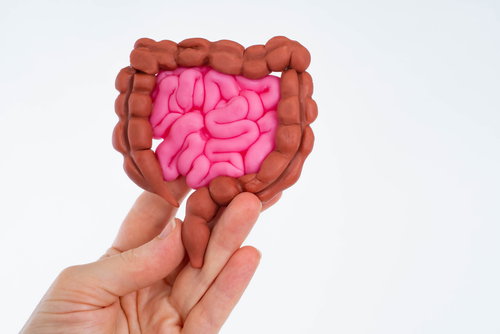
Obesity is linked to the complex community of microbes in your gut that affect nutrient absorption, energy balance and systemic inflammation. Studies suggest that obese individuals often have lower microbial diversity (though this is still being debated) and the specific gut bacteria that extract more food through excess energy harvesting that can promote inflammation. Although exact mechanisms need more study, the gut microbiota plays a role in weight gain.
Exciting research from December 2025 has identified a game-changing "anti-obesity" microbe that enhances metabolic health. This microbe works by reducing the fatty molecules responsible for signaling your intestines to store fat, paving the way for potential new weight management therapies. While strains like Lactobacillus and Bifidobacterium are known to help reduce fat accumulation, these recent studies suggest that the success of these dietary changes may depend on whether your gut already houses these specific fat-regulating bacteria.
MRC protein-forward, low-carb menus include the right vegetables...
The relationship between a protein-forward menu plan and your gut barrier is complex. Protein provides the essential amino acids needed to maintain the intestinal lining and produces mucin for a protective layer in the gut. A menu packed with protein first vegetables helps promote microbial diversity, and for nutrient density prioritize powerhouse veggies like broccoli, spinach, kale, chard, cauliflower, asparagus, zucchini, mushrooms, and bell peppers.
“At Metabolic Research Center, our approach is protein-forward and low-carb*—but that doesn’t mean vegetables are off the table. The right non-starchy vegetables play a critical role in metabolic health, gut function, and sustainable fat loss.”
Dana McKeen, CEO & Regional Director
While vegetables are essential for a healthy diet, how you prepare them matters. Deep-frying vegetables adds unhealthy fats and calories that can negate their benefits. Similarly, adding sugar, using sugary canned vegetables, or relying on store-bought juices that strip away fiber can spike blood sugar levels. Also, vegetable juices often lack fiber, resulting in a concentrated dose of sugar or sodium without the metabolic benefits of whole foods. Although there isn’t a single carb that never spikes insulin, fiber’s the food that minimally impacts blood sugar.
Disrupted Ecosystem Increases Fat Storage
When your microbial ecosystem gets thrown off balance, it can significantly increase fat storage. Gut imbalance changes how your body stores fat by boosting energy harvest, triggering inflammation, and altering crucial hormones. It essentially creates a cycle where your body becomes too efficient at extracting calories, increasing appetite, and depositing fat, which can lead to obesity and metabolic issues like fatty liver.
Not all bacteria work the same way. Certain gut bacteria are highly efficient at breaking down complex carbohydrates, extracting extra calories from food that would otherwise pass through your system, and storing them as fat. Furthermore, these microbes can manipulate the hormones that regulate hunger and fat storage. For instance, they can repress fasting-induced adipose factor, a protein that normally signals your body to burn fat rather than keep it.
The good news is that this process isn't permanent. Research continues to show that the gut microbiome is an active regulator of metabolism, not just a passive observer. You can combat these fat-storage mechanisms by restoring a healthy microbiome. Strategies include taking probiotics, increasing prebiotic fiber intake, adjusting your diet, and making positive lifestyle changes to reduce inflammation and regain microbial balance.
Smart Swaps and Misconceptions
Did you know that the bacteria in your gut could be impacting your waistline? Since dysbiosis can lead to a "leaky gut" that allows bacterial components to escape into the bloodstream, imbalances can quickly contribute to metabolic issues. Not surprisingly, menu plans that are high in fat and sugar are major drivers of gut imbalance. So, it is just as important to limit or completely avoid consumption of overly processed foods, highly refined carbohydrates, and sugary beverages. Here’s some changes and adjustments that might help:
- Dietary Changes – To support gut health, prioritize vegetables that combine plant-based protein with prebiotic fiber, which fuels beneficial gut bacteria. If your goals include fat loss and improved insulin sensitivity, focus on high-fiber, low-carb options. Excellent choices include leafy greens and spinach is particularly recommended for reducing visceral fat deposits. Cruciferous veggies support weigh management by reducing gut inflammation. Moreover, non-starchy choices are great for adding volume to your meals without excess calories. Focus on leafy greens and non-starchy vegetables like broccoli, bell peppers, and eggplant for nutrient-dense, low-carb additions to your meals. These vegetables slow digestion, stabilize blood sugar and keep you feeling full.
- Lifestyle Adjustments – Maintaining a healthy gut microbiome involves more than just eating fiber-rich and fermented foods; your lifestyle choices play an equally crucial role. To foster a diverse and thriving gut ecosystem, it is essential to look at your daily habits holistically. Regular, moderate exercise like walking, jogging, or cycling boosts beneficial bacteria populations and improves gut motility, which aids efficient digestion. Similarly, sleep is foundational; poor quality or insufficient sleep disrupts the gut's natural rhythms and can lead to inflammation. Aiming for seven to nine hours of rest helps maintain the delicate balance of your microbiota. Finally, be mindful of medications; while antibiotics are necessary for treating infections, they can wipe out good bacteria with the bad.
- Gut Health Supplements – While a balanced diet is the best foundation for gut health, certain supplements can give your microbiome an extra boost, especially during times of stress or illness. Probiotics introduce live, beneficial microorganisms (like bacteria and yeast) directly into your system, helping to balance your gut flora, which is particularly helpful after taking prescriptive antibiotics. Prebiotics, found in foods like garlic, asparagus and bananas, act as fuel for these good bacteria to help them thrive. For structural support, L-glutamine is an amino acid that helps maintain the integrity of your gut lining. While your body produces glutamine naturally, supplementation can be beneficial when your system is under physical stress like following an illness or injury.
Your gut microbiome is a powerful metabolic engine. In fact, it is so powerful that some experts consider it to be an additional organ. This complex community of trillions of bacteria plays a pivotal role in regulating metabolic systems, including weight management and immune function. Since a typical "Western diet" high in processed foods can disrupt this delicate balance and promote an environment linked to obesity, the good news is that your microbiome is adaptable. In fact, you may see improvements in just a few weeks by integrating gut-friendly habits.
_____________________
*Protein-First: How Low-Carb Vegetables Support Weight Loss
While your gut’s initial composition is shaped at birth, it is your lifestyle choices and aging throughout adulthood that defines the day-to-day function of your microbiota. To cultivate a microbial ecosystem that supports long-term weight management, we start by focusing on a holistic (whole person), but uniquely personalized (individual needs) approach that has been developed over several decades of applying the latest science for weight control. Plus, unlike plant-based diets, our approach prioritizes protein to preserve lean mass.
To better support your gut flora, a weight loss coach at MRC will help you design a menu plan that features “protein-forward, low-carb nutrition” with non-starchy, fiber rich vegetables that are micro-nutrient dense to aid microbial balance for better metabolic health and wellness. Your gut also plays a crucial role in how bacteria activate, inactivate, or create toxic byproducts from medications. This interaction is especially important for those using GLP-1 weight loss medications or blood glucose regulators, as gut bacteria can impact bioavailability.
In addition, Metabolic Research Center can assist with your body’s specific needs for probiotics and prebiotics, as well as other weight-related supplementation that may be needed due to specific health issues. Reducing stress, getting adequate sleep, and exercising regularly also promote a healthy gut microbiome. Whether you prefer a prescriptive medical weight loss plan or select a more traditional approach for healthy living, our team can help you identify the best options for maintaining a healthy gut microbiome.
By submitting this form, you agree to receive marketing text messages from us at the number provided, including messages sent by autodialer. Consent is not a condition of any purchase. Message and data rates may apply. Message frequency varies. Reply HELP for help or STOP to cancel. View our Privacy Policy and Terms of Service.