Can GLP-1 RAs Boost Metabolic Health?
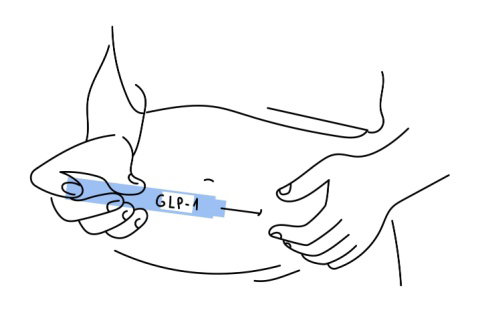
“By supporting weight loss, GLP-1 medications improve multiple metabolic health markers.”
Generally speaking, your metabolic health and wellness refers to how efficiently your body uses energy to function (e.g. – breathing or digestion) and the latest receptor agonists mimic the natural gut hormone glucagon-like peptide-1 to quieten food noise for feelings of increased fullness that can result in weight loss. But, the benefits do not stop there as prescriptive GLP-1 RAs improve many other metabolic outcomes and conditions.
In addition to shedding unintended fat gain, the wellness benefits associated with synthetic GLP-1 drugs include the positive effects the receptor agonists have on blood glucose by reducing blood sugar spikes and crashes, improving insulin sensitivity, lowering blood pressure levels, limiting stores of dangerous visceral fat deposits, and protecting vital organs like your heart, kidneys and liver. In fact, its far-reaching potential may transform how chronic disease is managed.
An online survey of adults in the U.S. discovered that most men and women have a limited understanding as to how their metabolic health is linked to healthy aging. But, that’s changing. Where comments like “I’ve gained weight because I have a slow metabolism” were commonly used for decades, the science today is helping people understand that their metabolism is indeed only part of this “energy burning engine” and his or her metabolic health determines how well their engine is actually running.
Why is metabolism just a piece of the weight management puzzle?
Although your body’s metabolic rate (metabolism) determines how many calories you burn, your overall metabolic wellbeing is a crucial measure of how effectively your body creates, stores and uses energy. When someone’s metabolic processes are strained, key cells in their body can struggle to process energy for fuel, which makes it much easier for chemical signals to store any excess energy as fat. Even when your body is running smoothly, systemic inflammation can cause immune and fat cells to release signaling proteins that trigger metabolic dysfunction. Now, with FDA-approval of prescription GLP-1 medications for chronic weight management, millions of people are losing weight in ways that weren’t possible before. So, the far reaching potential of these blockbuster drugs have been described by The Economist as “a molecular Swiss Army knife.”
Why are GLP-1 receptor agonists so metabolically versatile?
Pharmaceutically manufactured GLP-1 receptor agonists like semaglutide and tirzepatide influence multiple metabolic pathways, cardiovascular pathways, and neural pathways rather than just a single target. They stimulate insulin secretion and lessen glucagon release. Today’s prescriptive incretin mimetics slow stomach emptying to signal fullness to the brain that quietens “food noise” and reduces cravings for unhealthy foods. Additionally, GLP-1 receptor agonists limit the release of insulin to when glucose levels are elevated to reduce the risk of post-meal blood sugar spikes and lower blood glucose levels between meals. Most notably, these versatile medications can lead to visceral fat loss in the abdominal region surrounding vital organs, as well as possibly limiting liver fat accumulation.
How do GLP-1s metabolically deliver health benefits?
Glucagon-like peptide-1 receptor agonists improve blood sugar control, lower insulin resistance in cells, improve blood pressure and cholesterol profiles, decrease systemic inflammation, and reduce harmful deposits of visceral fat; independently of just losing a unintended weight gain. Here’s how it metabolically works:
- Gastric slowing: Delays stomach emptying to flatten post-meal glucose absorption by metering nutrient delivery into the small intestines. This extends satiety to lower overall daily calorie intake, as well as decreases intestinal fat and triglyceride absorption. Food stays in the stomach longer, activating stretch receptors and signaling pathways to prolong fullness.
- Insulin regulation: GLP-1s enhance pancreatic beta-cell function and insulin secretion only when blood sugar is high, preventing dangerous blood sugar spikes by stimulating glucose-dependent insulin release and stopping excess sugar production by the liver. This lowers circulating glucose (HbA1c) to reduce type 2 diabetes risks.
- Cellular signaling: Directly activates GLP-1 receptors found in vascular, cardiac, and hepatic tissues to optimize energy utilization and fat oxidation. This helps to decrease systemic markers of inflammation that drive metabolic syndrome, lower blood pressure and arterial stiffness, and reduce the risk of major cardio events like heart attacks and strokes.
When subcutaneous fat storage capacity is overwhelmed, excess lipids spill over and deposit in non-adipose tissues like the liver, heart, and skeletal muscles. So, ectopic fat reductions related to the use of GLP-1 receptor agonists help to clear dangerous buildups surrounding metabolically-crucial organs like the liver to potentially improve non-alcoholic fatty liver disease and intramuscular fat inside skeletal muscle fibers as intramuscular lipids (myosteatosis).
Why Metabolic Health and Weight Loss Are Not the Same?
The science behind metabolic health and weight loss has advanced dramatically over the past fifty years from the collection of cosmetic reasons for improving one’s appearance to understanding how processing energy more efficiently reduces one’s disease risks to support healthy living with greater strength, vitality and resilience. After all, we now know that someone can shed significant pounds of weight yet have poor insulin sensitivity and elevated inflammation, which becomes someone who is thin on the outside but still fat on the inside.
Here at Metabolic Research Center where we are celebrating over 40 years of helping our clients change their metabolic health and wellness, our end goal is to help you find a sustainable approach to weight management with or without the latest weight loss medications. After all, MRC hormone testing helps detect and correct imbalances that silently sabotage the failed traditional approach of “fad diets.” At MRC Fort Wayne, our one-on-one support delivers the tools and motivation you’ll need to make lasting changes by rebooting your efforts.
Unlike many of our competitors, we’ve never believed that it was simply a “lack of willpower” that prevented most people from losing unintended weight gain that was stored as subcutaneous fat deposits below the skin or potentially more harmful deposits of deeper visceral fat surrounding internal organs. At MRC, our goal has always been to “detect” and “correct” inefficiencies to restore your metabolic wellbeing. Although the current GLP-1 receptor agonists are powerful tools, at MRC Fort Wayne, your metabolic health isn’t measured by body size alone.
______________________
Working one-on-one with an experienced weight loss specialist means the latest GLP-1 receptor agonists can significantly boost your metabolic health. These incretin mimetics combined with lifestyle changes like personalized protein-forward menus and routine resistance band training can help stabilize blood sugar levels, lower insulin resistance, decrease inflammation, improve cardio profiles, and even eliminate unsightly fat deposits, while enhancing your goals for healthy living. At Metabolic Research Center Ft. Wayne, our goal is to provide the GLP-1 support needed to create a customized program that preserves crucial muscle mass, limits the common side effects of using a GLP-1 receptor agonist, and produces the changes your body needs for sustainable weight control.
By submitting this form, you agree to receive marketing text messages from us at the number provided, including messages sent by autodialer. Consent is not a condition of any purchase. Message and data rates may apply. Message frequency varies. Reply HELP for help or STOP to cancel. View our Privacy Policy and Terms of Service.