What’s the Deal with “The Mother”?
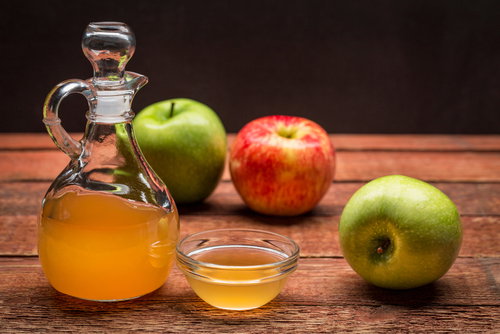
DATA UPDATE: The key to vinegar's health-promoting properties lies in its high concentration of acetic acid, and not beneficial properties of the culinary condiment. The “mother” in apple cider vinegar is a unique mix of bacteria, yeast and cellulose that forms during fermentation, but the mother does not perform specific weight loss functions. Moreover, acetic acid’s role as a supplement for slowing digestive processes is marginal when compared to the latest compounded weight loss medications. Dietary vinegar does, however, contain nutrients and antioxidants.
__________________
For thousands of years, civilizations have turned to vinegar for its health benefits. Ancient Babylonians were using it as far back as 5,000 B.C., and historically, key figures like Hippocrates, the "father of modern medicine," prescribed it for everything from coughs to wound care. But what does modern science have to say about these ancient beliefs about the real benefits of dietary vinegar?
If you've ever looked at a bottle of raw, unfiltered apple cider vinegar (ACV), you've probably noticed the cloudy sediment. This is known as "the mother," a natural combination of bacteria and yeast created during fermentation. Its presence simply indicates that the product is raw and unfiltered, and while it may contain some probiotics, the primary active ingredient in ACV is acetic acid.
Overall, dietary vinegar is quite safe for most people to consume. However, because it is highly acidic, it's a good idea to dilute it with water before drinking. Guzzling some water afterward can also help protect your tooth enamel. While it can't replace needed medications or adopting a healthier lifestyle, incorporating dietary vinegar into your routine is a simple way to tap into a tradition that has stood the test of time.
Does the Mother Live Up to the Hype?
The internet is full of fantastic claims about apple cider vinegar, from curing diabetes to melting away fat. The truth is a bit more moderate. While ACV is not a miracle cure, it may offer some modest health benefits. A clinical trial published in March 2024 in BMJ Nutrition, Prevention & Health initially grabbed international attention with bold claims about apple cider vinegar. However, the BMJ Group study was retracted last month due to problems that included questionable statistical methods, implausible results and unreliable data.
A study suggesting apple cider vinegar helps with weight loss has been retracted by BMJ Group, as of September 2025, after experts uncovered major flaws in its data and methodology. BMJ Group advises journalist and others to stop referencing a study that once suggested drinking small amounts of apple cider vinegar each day could support weight loss in people who are overweight or obese.
Dr. Helen Macdonald - Ethics & Content Editor at BMJ Group
When BMJ Group's content integrity team investigated and brought in independent statistical experts, the findings were troubling. The statisticians couldn't replicate the results and found multiple analytical errors. The irregularities in the data were so concerning that experts concluded each participant's data would need independent scrutiny. The actual health benefits of apple cider vinegar, such as positive effects on blood sugar and cholesterol, actually come from acetic acid, and not specifically from "the mother."
What the "mother" is and what it’s not...
Apple cider vinegar is made using yeast to ferment apple sugars into alcohol. It is acetobacter bacteria that then coverts the alcohol into acetic acid. The cloudy formation in the vinegar is simply the combination of yeast and bacteria that formed during the fermentation process. Since raw ACV is not pasteurized, the cloudy strands (called the mother) that are seen floating in bottles of apple cider vinegar in the store are unfiltered. The mother does contain some probiotics and enzymes , but scientific evidence so far doesn’t support the unique claims.
ACV may not be a miracle cure, but it's not snake oil either. For those interested in trying apple cider vinegar with the mother or not, there are proven health benefits; just don't expect the mother to be a magic bullet. On the other hand, pasteurization and filtration that make the vinegar much less cloudy, removes or kills some of the beneficial bacteria and enzymes that are good for gut health. Since the mother in ACV grows over time, many people look for and prefer the swirly stuff at the bottom of the bottle.
Health Benefits of Dietary Vinegar
Current research on vinegar's health benefits shows promise but remains preliminary. Studies suggest that consuming diluted vinegar, particularly before starchy meals, may help with blood sugar control, promote satiety for weight management, and potentially support heart health by influencing cholesterol levels. However, most research involves small-scale, short-term studies, and more extensive human trials are needed to confirm these effects definitively. While vinegar offers potential, it's not a cure-all.
- Blood Sugar Control: One of the most well-researched benefits of dietary vinegar is its ability to help regulate blood sugar levels. Acetic acid slows gastric emptying and metabolism to prevent blood sugar spikes. For people with insulin resistance or type 2 diabetes, dietary vinegar may help.
- Weight Control: Apple cider vinegar has gained popularity on social media as a potential weight-loss aid, with influencers and celebrities claiming it can reduce bloating, curb sugar cravings, and support long-term weight management. Vinegar does delay stomach emptying to reduce intake.
- Antioxidant Effects: All types of vinegar offer impressive health benefits that go far beyond culinary uses. ACV and other dietary vinegars are rich in polyphenols, powerful plant compounds with antioxidant properties, that protect cells from damage caused by oxidative stress.
- Heart Health: Research into vinegar's heart health benefits shows promising results. Several studies suggest that vinegar, particularly apple cider vinegar and balsamic varieties, may reduce oxidative stress and help improve cardiovascular health markers by influencing lipid metabolism.
- Digestive Health: While vinegar has long been used as a remedy for digestive issues, science offers a more nuanced view. Raw, unfiltered varieties containing "the mother" are particularly noteworthy as they may provide probiotics and prebiotics that support a healthy gut microbiome.
There's no single "healthiest" vinegar, but certain varieties offer distinct advantages. Balsamic and red wine vinegars provide high levels of polyphenols, while raw apple cider vinegar offers gut health benefits and blood sugar support. The acetic acid present in all vinegars provides the primary health benefits, though fruit and wine-based varieties contribute additional nutrients from their source ingredients. Incorporating vinegar into your diet through cooking or salad dressings provides a simple, safe way to enjoy its potential benefits.
____________________
One of vinegar's remarkable qualities is its virtually indefinite shelf life. Thanks to its high acidity, vinegar acts as a natural preservative and doesn't spoil or become unsafe to consume. Nonetheless, raw unfiltered ACV with the mother is still highly recommended by many nutritional experts because of its natural enzymes and proteins. Metabolic Research Center has been helping people improve their metabolic health for decades. Take our 2-minute quiz to “Find Your Fit” and you’ll receive an instant download for our FREE Kickstart Guide that includes meal planning, recipes and much more.
By submitting this form, you agree to receive marketing text messages from us at the number provided, including messages sent by autodialer. Consent is not a condition of any purchase. Message and data rates may apply. Message frequency varies. Reply HELP for help or STOP to cancel. View our Privacy Policy and Terms of Service.