Intermittent Fasting Is Not an Exercise in Starvation
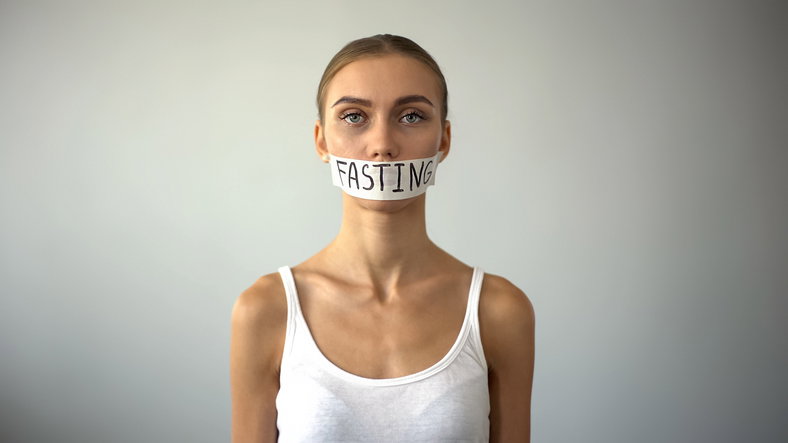
Fasting differs from starvation in that fasting is the deliberate and controlled absence of food. It is important to ensure your evening meal the night before you begin a fast contains an adequate amount of fats and protein to keep blood sugar levels stable. People with poor blood sugar regulation as well as those who are underweight or have an eating disorder should consult with a medical provider before engaging in intermittent fasting. By lowering bad cholesterol and triglycerides but not lowering good cholesterol, intermittent fasting lowers overall cholesterol says the American Journal of Clinical Nutrition.
- The 16/8 Fast - This method of fasting involves skipping breakfast and restricting eating to an eight-hour window each day. For example, you can choose to eat between noon and 8 pm, fast for sixteen hours, and then repeat the process.
- Eat-Stop-Eat Fasts - Skip-a-Day Fasts means staying within your calorie limits one day, then eating whatever you want the next, and repeating the process until your body adjusts to the up-and-down eating pattern.
- 5:2 Fasting Method - The 2 Days-Per-Week Diet requires people to eat 500 (women) to 600 (men) calories for two days each week while healthy meals are consumed the other five days.
- Time-Restricted Feeding - Following a menu plan with an established timeline for fasting and feeding (i.e. - Eating between 12 noon and 6 pm with food restricted for the remainder of the day) is one of the simplest methods for fasting.
Very low calorie diets or prolonged periods with low caloric intake can cause physiological changes that can cause the body to adapt to the restriction and therefore prevent further weight loss, often called the camel effect. With intermittent fasting, you cycle between low calorie levels and normal eating. Some health experts do not recommend fasting and tell people not to cut way back on calories in fear that it will slow their metabolism and make it even more difficult to lose weight. Nonetheless, studies have shown that the cycles between eating and fasting may actually boost weight loss and help preserve muscle. Contact Metabolic Research Center for a fasting-diet with menus personalized for your body's needs.
*NOTE: Due to a difference in hormonal makeup, women have special considerations when fasting. Intermittent fasting is not a good idea for women under 18 years of age, those with a lean body profile, or those with medical conditions, such as hypothyroidism or a history of eating disorders. Ask your physician about an appropriate fasting protocol for you.
By submitting this form, you agree to receive marketing text messages from us at the number provided, including messages sent by autodialer. Consent is not a condition of any purchase. Message and data rates may apply. Message frequency varies. Reply HELP for help or STOP to cancel. View our Privacy Policy and Terms of Service.