How Your Body Stores Excess Fat
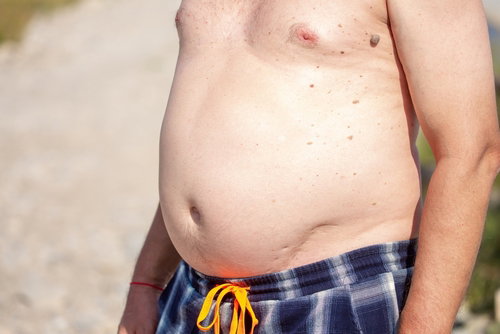
Fat as food is an important macronutrient and stored fat is the body’s primarily reserve of energy to be used as fuel when needed. Unfortunately, elevated cortisol levels can accelerate the process, particularly by increasing visceral fat stored in the abdominal region. Unlike subcutaneous fat deposits underneath the skin, excess visceral fat is a “toxic fat” that is associated with cardiovascular disease, which emphasizes the importance of healthy stress management.
Not only does chronic stress contribute to long-term changes in metabolism and unwanted fat gain, but cortisol also affects mental well-being. Excessive levels of morning cortisol and abnormal secretion patterns of triglycerides are frequently linked to unexplained depression, stress, and anxiety. Since visceral fat poses significant health risks, managing daily stress for more balanced cortisol levels is critical for both your physical and mental health.
The key to controlling cortisol lies in adopting habits that promote overall wellness. Incorporating relaxation techniques, such as meditation and breathing exercises, into daily routines can help lower stress levels. Combining this with a balanced diet and regular exercise not only improves metabolism but also keeps visceral fat deposits in check. By understanding cortisol’s positive and negative effects on the body, it will allow you take proactive steps to protect your long-term metabolic health.
Do health risks increase with visceral fat deposits?
Over time, excessive amounts of chronic stress can increase cortisol levels that promote energy mobilization and favor visceral fat storage. This can create an unhealthy cycle that disrupts glucose regulation that raises the risk of metabolic disturbances, such as abnormal cholesterol levels and insulin resistance. Both are linked to higher risks of metabolic syndrome. Additionally, visceral fat contains higher concentrations of enzymes that convert inactive cortisone into active cortisol, further amplifying fat storage at the abdominal tissue level.
Visceral vs Subcutaneous Fat: The difference in danger of health risks between visceral fat and subcutaneous fat stems primarily from metabolic activity as well as the substances released. Excess visceral fat is more metabolically active and can release free fatty acids and other fat metabolites directly into the liver’s portal system. This can impair hepatic function, lead to fatty liver disease, and cause poor regulation of glucose and insulin metabolism.
Although cortisol levels naturally fluctuate throughout the day, consistently high levels can lead to noticeable changes in fluid retention and fat distribution, further emphasizing the importance of stress management. One noticeable effect of high cortisol levels is what’s commonly referred to as "cortisol face." This condition is characterized by facial puffiness or roundness, particularly around the cheeks, jawline, and under-eyes. It can result from chronic stress, hormonal imbalances, or the use of certain medications that elevate cortisol levels.
Cortisol Can Impact Visceral Fat Storage
Cortisol does play an important role in the body’s stress response. Early humans were dependent on the body’s “flight or fight” mechanism for survival as it helped regulate key bodily functions to prepare the body for immediate action when facing threats like predators. This stress hormone increased the availability of blood sugar to provide a surge of energy that they might need for fighting or fleeing from danger. Also, by increasing heart rate, cortisol delivered more oxygen and nutrients to vital organs and muscles.
- Increased Food Cravings – Chronic stress and elevated cortisol levels have been shown to significantly increase food cravings. Plus, when cortisol levels spike, they tend to trigger excess cravings for "comfort foods."
- Cortisol Production in Tissues – Elevated cortisol levels are linked to abdominal obesity as chronic stress can increase fat storage, particularly in the form of visceral fat that is potentially more damaging.
- Excess Glucose Due to Insulin Resistance – Elevated cortisol levels can have significant impacts on the body's ability to regulate blood sugar and makes cells less responsive to insulin that is responsible for glucose absorption.
- Sleep and Hormonal Imbalances – Lack of quality sleep due to excess stress can impact the regulation of key hormones like leptin, which controls feelings of fullness, and ghrelin, which triggers hunger.
- Visceral Fat Accumulation – Visceral fat accumulation is sensitive to cortisol due to its higher concentration of cortisol receptors. This type of fat is most commonly stored around organs in the abdominal area of the body.
Visceral fat isn’t just a passive storage system; it functions like an endocrine organ. When this type of fat accumulates beyond healthy levels, it releases hormones and compounds that contribute to inflammation, insulin resistance, and high blood pressure. These factors can lead to serious weight-related chronic conditions such as diabetes, heart disease, stroke, and even certain cancers. Addressing and managing visceral fat is crucial for maintaining overall health and reducing the risk of these conditions.
How Women and Men Handle Cortisol Hormone
The impact of cortisol on fat storage in men and women differs. The effects of this primary stress hormone effects how, when and where fat storage occurs based on both physiological and hormonal differences between the sexes. Research suggests that women are more likely to use comfort foods as a way to cope with stress, which may contribute to stress-related weight gain. While men can also experience increased appetite during stressful situations, it is more common for them to turn to other coping mechanisms, like smoking or drinking.
Recent studies show that men tend to have a stronger cortisol response to psychological stress compared to women. Women, on the other hand, may experience different stress responses, such as the release of oxytocin. Known as the bonding hormone, oxytocin can reduce the negative effects of cortisol and promote social connection and support-seeking behavior. Hormonal fluctuations unique to women, such as those related to the menstrual cycle or menopause, can also influence cortisol levels and their effects on the body.
While men accumulate visceral fat more rapidly and most often as belly fat, women may experience an increase in subcutaneous fat that gives their body a pear shape. Both men and women initially respond to stress by releasing cortisol and adrenaline, but obesity adds another layer of complexity as obesity can alter how cortisol is cleared from the body. Obese individuals often experience heightened cortisol activity related to chronic stress, which may lead to additional fat accumulation in key target areas.
______________________
If you are looking for a weight management plan personalized for your body, your lifestyle and your goals, MRC Fort Smith is here to help. Metabolic Research Center has been helping people just like you to restore metabolic efficiency for decades. Take our 2-minute quiz to “Find Your Fit” and discover how our whole body wellness approach can put you on the right track. After all, we don’t believe in fad dieting and you’ll receive an instant download for our FREE Kickstart Guide that includes meal planning, recipes and much more.
By submitting this form, you agree to receive marketing text messages from us at the number provided, including messages sent by autodialer. Consent is not a condition of any purchase. Message and data rates may apply. Message frequency varies. Reply HELP for help or STOP to cancel. View our Privacy Policy and Terms of Service.