How Do GLP-1s Boost Whole Body Wellness?
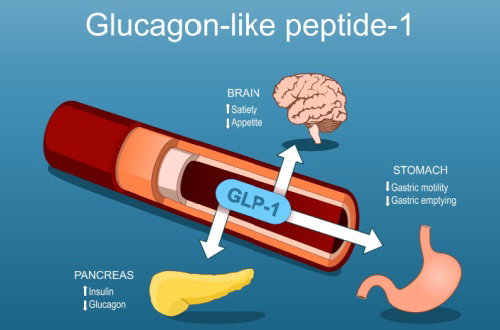
“Boosting GLP-1 using medications can improve metabolic health and wellness.”
Prescription GLP-1 weight loss medications can boost whole-body wellness by mimicking a natural gut hormone (glucagon-like peptide-1) to stabilize blood sugar spikes and crashes, reduce feelings of hunger and annoying food cravings, and slowing digestive processes. In addition to improved weight control, GLP-1 RAs reduce system inflammation that helps protect cardio, renal, and hepatic functions, as well as lower one’s risk of heart attacks, strokes, kidney failure, and cardiovascular death.
By targeting receptors in the brain, GLP-1 incretin mimetics can decrease addictive cravings while improving overall cognitive function by lowering food noise. Emerging preclinical and clinical trials suggest synthetic GLP-1 drugs interact with dopamine and serotonin pathways to decrease depression and improve one’s mood. A more recent study involving tirzepatide, which is a dual-action receptor agonists that combines GLP-1 and GIP (glucose-like insulinotropic-polypeptide) significantly reduced breathing interruptions for improved sleep quality.
Can you activate the release of GLP-1 hormone naturally?
Yes you can. GLP-1 stands for glucagon-like peptide-1, which is a hormone that your body naturally produces and releases in your small intestine after you eat. However, it has a half-life of about two minutes and is broken down too quickly to be used directly as a medication. Pharmaceutical versions of the incretin mimetic have been modified for longer half-lives that resist immediate breakdown to boost satiety and reduce overall calorie intake. Foods that stimulate GLP-1 hormone naturally, include lean sources of protein, healthy monounsaturated and omega-3 fats, low-glycemic fiber-rich plant proteins, and fermented probiotics.
Can life habits and food sequencing influence GLP-1 stimulation?
Yes it can. Because the gut/brain axis is a major bidirectional pathway used by the body to trigger most chemical signaling needed for activating hormonal release in many metabolic pathways, GLP-1 follows a circadian rhythm with higher levels during the daytime and evening than overnight. Unfortunately, lifestyle issues can cause circadian misalignment that alters hormonal signaling and can affect both food choices and food intake. Experts recommend altering calorie distribution and food intake to daylight hours. In addition, the order in which the foods selected are consumed influences stimulation and post-meal blood sugar responses.
Can personal eating behaviors affect the body’s GLP-1 response?
Yes they can. Before glucagon-like peptide-1 hormone can lower food intake and increase feelings of fullness that are felt sooner, there are personal eating behaviors that can affect the hormone’s response. For starters, your body’s GLP-1 response may be altered based on your metabolic profile and body mass index (BMI). Plus creating a distraction-free eating environment can allow you to be more present by focusing on the smells, textures, and flavors of the food you eat. Something as simple as more chews and small bites can increase your GLP-1 response to more efficiently curb food intake earlier during the meal.
Debunking GLP-1 Myths & Misconceptions
Obesity is a leading cause of chronic metabolic conditions, certain cancers and impacts more than 40% of the U.S. population. Over the past decade, demand for GLP-1 medications soared after synthetic versions of glucagon-like peptide-1 repeatedly caused an unexpected side effect (significant weight loss) during clinical trials to verify the drug’s ability to manage diabetes. However, only certain GLP-1s are approved for weight loss and here are some of the misconceptions:
- Myth #1 – GLP-1s are a quick fix for lack of willpower: Not true. Obesity is a complex, chronic disease influenced by genetics, biology and environments, and is not just a simple matter of counting calories in versus calories spent. Viewing it as personal failure falsely perpetuates stigma.
- Myth #2 – GLP-1s let you eat what you want and skip exercise: Not true. These latest weight loss drugs are not intended to be magic bullets for shedding unintended fat gain. Optimal results when losing weight may require support with nutritional planning and routine physical activities.
- Myth #3 – GLP-1s meds aren’t safe and can cause stomach damage: Not true. Extensive clinical trials were conducted on GLP-1 drugs for decades before receiving FDA-approval for diabetes or chronic weight management. Gastrointestinal side effects are usually early on and subside in a few weeks. Your provider has options for prescribing formulations and dosing.
- Myth #4 – GLP-1s shrink the stomach like bariatric surgery does: Not true. Although GLP-1 slow gastric emptying to make you feel full quicker, these drugs do not work the same way as bariatric surgery, which does shrink the organ. But, GLP-1 RAs do affect chemical signaling in the gut/brain axis.
- Myth #5 – GLP-1s cause acne and can trigger breakouts: Not true. Though some studies suggest an indirect effect, skin conditions are linked to hormonal shifts related to weight loss and metabolic changes rather than to the drug itself. Plus, some providers add components like B vitamins.
Even for patients already using a glucagon-like peptide-1 receptor agonist, misconceptions still abound in regards to a prescriptive GLP-1 weight loss medication’s ability to achieve sustainable weight loss in significant amounts. The fact remains that for many overweight or obese adults and children in America, adopting new dietary and lifestyle behaviors may still be needed to maintain a target weight that can reduce their weight-related health risks.
_________________________
In today’s cyber world, myths and misconceptions are common topics for social media and forum platforms whenever a new medical treatment is put on trial. But, the truth is for drugs today like GLP-1s with single, dual or even triple actions to gain FDA-approval for treating people with conditions like obesity or overweight, decades of research, clinical trials and follow-up goes into determining whether a pharmaceutical is right for your doctor to prescribe for a diagnosed medical condition. At Metabolic Research Center Fort Smith, our goal is to provide the GLP-1 support needed to create a customized program that preserves crucial muscle mass, limits the common side effects of using a GLP-1 receptor agonist, and produces the changes your body needs for sustainable weight control.
By submitting this form, you agree to receive marketing text messages from us at the number provided, including messages sent by autodialer. Consent is not a condition of any purchase. Message and data rates may apply. Message frequency varies. Reply HELP for help or STOP to cancel. View our Privacy Policy and Terms of Service.