Gut Bacteria’s Link to Metabolic Well-Being
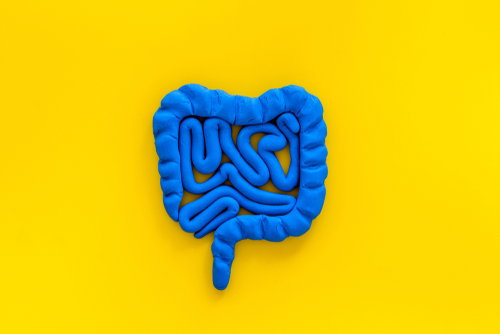
Gut microbiome plays a crucial role in your metabolism. In fact, imbalances in your microbiota can quickly contribute to metabolic issues, but a diverse range of bacterial microorganisms can restore balance and positively support key metabolic functions. By breaking down complex carbohydrates and fibers, your gut bacteria produce short-chain fatty acids that help regulate chemical signal molecules to both fuel and nourish cells in your digestive tract.
Diverse gut bacteria also affects how many calories your body actually extracts from food. So, differences in gut bacteria can lead to varying efficiencies in energy harvesting, which might explain why some individuals are more prone to weight gain than others. Moreover, a healthy gut barrier supported by beneficial bacteria prevents inflammation from entering the bloodstream, which can reduce your risk of developing chronic diseases and helps prevent unintended weight gain.
MRC protein-forward, low-carb diet includes the right vegetables...
To boost your metabolism with low-carb foods, focus on fibrous, non-starchy vegetables like spinach, kale, broccoli, cauliflower, and asparagus. You can easily incorporate them into your diet by roasting them, tossing them in salads, or blending them into smoothies. However, keep in mind that portion control still matters. While these vegetables are significantly lower in carbs than other foods, eating them in unlimited quantities could eventually increase your net carb intake enough to kick you out of ketosis.
“At Metabolic Research Center, our approach is protein-forward and low-carb*—but that doesn’t mean vegetables are off the table. The right non-starchy vegetables play a critical role in metabolic health, gut function, and sustainable fat loss.”
Dana McKeen, CEO & Regional Director
These nutrient-dense options are rich in fiber, magnesium, and iron, which are vital for converting food into energy and stabilizing blood sugar levels. As key chemical messengers produced by your gut bacteria, they help regulate sleep, appetite and cognitive functions, which highlights this powerful connection between your gut and brain. Often called the microbiota-gut-brain axis, when an imbalance occurs, disruptions have been linked to mental issues like anxiety, depression and spectrum disorders.
Low-Glycemic Veggies Help Reduce Fat Storage
When calorie intake exceeds expenditure, the body stores excess energy as fat through processes like fatty acid synthesis. Immune cells, called macrophages, regulate fat storage, but when fat is needed for energy, adipose tissue mobilizes stored fat through a process called lipolysis. So, if you consume more calories than you burn, the body converts the surplus into fatty acids that are then converted into triglycerides for storage in existing or newly created fat cells.
According to National Institutes of Health, when fat storage capacity is exceeded with obesity, fat can accumulate in other organs, potentially leading to health issues like insulin resistance. This can create a vicious cycle where the body is storing excess fat and weight loss is becoming increasingly more difficult. Unfortunately, as cells become resistant, the pancreas releases more of the hormone and higher insulin levels can increase hunger and cravings for sweets, which makes it harder to lose weight.
This highlights how targeting the gut microbiome with a protein-forward approach with low-glycemic vegetables (leafy greens, broccoli, asparagus) may provide promising new strategies for better weight control. Since gut microbes can activate the vagus nerve that sends signals directly to your brain, imbalances can directly affect brain activity as well as your behavior or mood. After all, when imbalances of gut bacteria persist, it has been linked to the onset of mental health issues like increased anxiety, depression, and spectrum disorders.
Nurture Your Gut with Plant Protein
The gut’s microorganisms appear to influence numerous bodily systems and the gut microbiome has become a popular topic in weight loss circles nowadays. The colonization of your gut began shortly after birth and continued to evolve into adulthood, but the composition of someone’s microbiome can vary greatly early in life, as it is influenced by factors like your delivery method (vaginal vs. cesarean) and how you were fed (breast milk vs. formula). In fact, your mother’s own microbiome during pregnancy may have played a crucial role. While a healthy diet supports overall weight loss, there isn’t enough scientific evidence to say that dietary intake alone can prevent metabolic issues. But a protein-forward menu plan with non-starchy vegetables is strongly associated with better overall health and well-being. Conversely, menus high in overly processed foods with added sugar have been linked to metabolic distress.
1. Dietary Adjustments – To support a healthy gut microbiome, it's essential to provide it with the right fuel. A diet rich in micronutrient-dense vegetables offers the fiber and nutrients that beneficial gut bacteria thrive on. Vegetables that support metabolic health like yogurt, kefir, sauerkraut, kimchi, and miso are packed with beneficial live bacteria that can enhance the diversity of your gut microbiome. Eating fermented foods can lead to reduced inflammation and a stronger immune system. Gut disrupting foods that contain added sugars, fats and salt can lead to gut microbiome imbalances. These ingredients often promote the growth of harmful bacteria, which can then lead to excessive inflammation throughout the body. Staying hydrated is one of the best things you can do for your digestive health. Plenty of water helps maintain the mucosal lining of your intestines and supports the balance of beneficial bacteria in your gut. It also allows your body to break down food and absorb nutrients more efficiently.
2. Lifestyle Adjustments – Looking after your gut microbiome involves more than just what you eat. While a varied, fiber-rich diet with fermented foods is essential, other lifestyle factors play a crucial role. Managing stress through activities like meditation, getting daily exercise, and ensuring you get enough sleep can significantly support a diverse gut microbiome. Engaging in moderate exercise, such as walking, jogging, cycling, or resistance training, can boost the population of beneficial bacteria in your gut. This increase in microbial diversity not only promotes more efficient digestion but also improves gut motility. A good night's sleep is crucial for maintaining a healthy gut microbiome. Poor sleep quality or insufficient amounts of sleep can disrupt your gut's natural circadian-like rhythm and negatively impact its microbial balance, which may lead to inflammation. Did you know your gut and brain are in constant conversation? This connection, known as the gut-brain axis, means psychological stress and excessive release of cortisol hormone can directly affect your digestive health and bacterial balance. While antibiotics are crucial for fighting certain types of harmful bacterial infections, these powerful medications often do not distinguish between bad bacteria and the good guys. Your one-on-one weight loss coach can help you balance lifestyle issues for better overall results.
3. Gut Health Supplements – While it's always best to get as many nutrients as possible from your daily food intake first, certain supplements can provide an extra boost for your gut microbiome. In fact, researchers are currently exploring how supplementation with differing compounds can boost metabolic wellbeing. Probiotics essentially introduce beneficial bacteria directly into your gut microbiome. These are live microorganisms like yeast or healthy bacteria that can help to balance gut flora or restore good bacteria after taking antibiotic medications. Prebiotics provide specialized plant fibers that act as food for good bacteria to help them thrive. Unlike traditional plant-based diets, MRC’s approach prioritizes protein to preserve lean muscle mass that burns fat at rest. Best of all, most micronutrient-rich vegetables contain prebiotics, and you can cook prebiotics, blend them in a smoothie, use them as toppings, or just snack on them. Most people’s bodies make enough glutamine naturally but L-Glutamine Supplementation may be needed after times of injury of illness, when the gut's requirements exceed the body production limits. Glutamine is an essential amino acid that helps support and maintain a healthy gut lining.
A healthy gut microbiome is linked to better weight control, reduced blood sugar levels, a lower risk of diabetes, and improved metabolic health. A weakened or disrupted microbiome is less able to keep potentially harmful bacteria in check, which can lead to recurring health issues. Any persistent symptoms like an upset stomach, changes in weight, recurring gastrointestinal symptoms, or chronic fatigue may indicate a more serious underlying health concern. By working with a weight management coach and integrating healthier habits into your daily routine, you can create a supportive environment for shedding unintended weight gain.
_____________________
*Protein-First: How Low-Carb Vegetables Support Weight Loss
While your gut’s initial composition is shaped at birth, it is your lifestyle choices and aging throughout adulthood that defines the day-to-day function of your microbiota. To cultivate a microbial ecosystem that supports long-term weight management, we start by focusing on a holistic (whole person), but uniquely personalized (individual needs) approach that has been developed over several decades of applying the latest science for weight control. Plus, unlike plant-based diets, our approach prioritizes protein to preserve lean mass.
To better support your gut flora, a weight loss coach at MRC will help you design a menu plan that features “protein-forward, low-carb nutrition” with non-starchy, fiber rich vegetables that are micro-nutrient dense to aid microbial balance for better metabolic health and wellness. Your gut also plays a crucial role in how bacteria activate, inactivate, or create toxic byproducts from medications. This interaction is especially important for those using GLP-1 weight loss medications or blood glucose regulators, as gut bacteria can impact bioavailability.
In addition, Metabolic Research Center can assist with your body’s specific needs for probiotics and prebiotics, as well as other weight-related supplementation that may be needed due to specific health issues. Reducing stress, getting adequate sleep, and exercising regularly also promote a healthy gut microbiome. Whether you prefer a prescriptive medical weight loss plan or select a more traditional approach for healthy living, our team can help you identify the best options for maintaining a healthy gut microbiome.
By submitting this form, you agree to receive marketing text messages from us at the number provided, including messages sent by autodialer. Consent is not a condition of any purchase. Message and data rates may apply. Message frequency varies. Reply HELP for help or STOP to cancel. View our Privacy Policy and Terms of Service.