How Medical Weight Loss Differs from Dieting
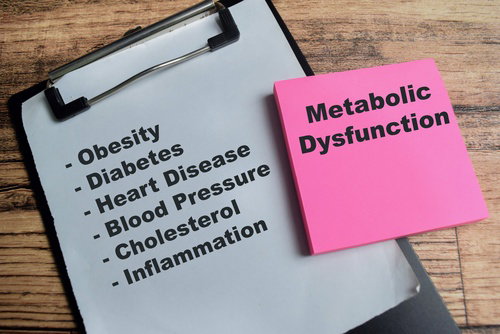
“MRC Fayetteville Provides One-on-One Support and Mealtime Strategies”
Unlike traditional dieting that treats shedding pounds as a cosmetic concern, medical weight loss programs offer a physician-guided approach that treats excessive weight gain with a metabolic disorder or obesity, as medical conditions that require a more comprehensive strategy. For individuals who need the benefits provided by a medical weight loss plan, you must qualify for a prescription through an examination and thorough review of your medical history.
While dieting typically involves calorie-restricted food intake that is usually aimed at achieving faster short-term weight loss to shed unwanted fat gain. Conversely, many American adults today struggle with losing excess weight, and a medical weight loss plan is a doctor prescribed program that targets long-term metabolic health by addressing underlying medical factors. Generally speaking, non-surgical options are great for those people with a body mass index (BMI) of 35 or higher.
Nonetheless, whether you choose a physician-guided program or elect to follow a customized weight loss plan, Metabolic Research Center provides the one-on-one coaching and programs personalized for your body’s specific needs for you to attain sustainable results. Our approach to whole body wellness has been science-backed for over 35 years and includes custom-tailored menu plans that ensure you’re getting the nutrients your body requires from a protein-forward, non-starchy vegetable diet for lasting changes.
Self-guided motivation versus a science-based eating plan...
Dieting is self-guided and focuses on restricting food intake, while all Metabolic Research Center weight loss programs address key metabolic, hormonal, and lifestyle factors. Diets, especially traditional fad diets, often lead to yo-yo dieting after the individual regains the lost weight and then some, where MRC’s programs prioritize sustainable results for a lifetime of healthy living. Naturally, self-guided dieting has much higher failure rates and opens the door for both nutritional and metabolic deficiencies related to the questionable science of calorie counting. So, it easy to understand why medical weight loss is now being recommended for individuals with underlying health problems like hypertension, diabetes, or metabolic syndrome. Plus men and women with a high BMI, who have failed to lose weight and keep it off with traditional dieting, are often ideal candidates for a physician-verified weight loss plan that doesn’t rely on “willpower” alone.
HOW PROTEIN FORWARD FOODS SUPPORT LASTING RESULTS
Chances are you’re looking for a weight loss program that works and also prevents weight regain. This is where Metabolic Research Center’s protein-forward approach to both meals and snacks can provide lasting results by enhancing feelings of fullness (satiety), boosting metabolism (BMR), and maintaining lean muscle mass that can help prevent unintended weight gain by burning calories while your body is at rest. After all, protein is the most satiating macronutrient and increases fullness like GLP-1 and peptide YY.
While a low-carb, ketogenic diet can be an effective way for some individuals to manage their weight, it may also be a key reason as to why their sleep patterns become disrupted, which is a condition known as “keto insomnia.” Although everyone’s body is unique, MRC Fayetteville’s protein-forward menu plans includes more healthy carbohydrates, such as non-starchy, low-glycemic whole foods. Low-GI vegetables have a score of 55 or less and provide slow-releasing energy to prevent blood sugar spikes that can trigger fat storage.
In general, high-fiber whole foods include non-starchy vegetables like spinach, kale, broccoli, cauliflower, celery, zucchini, tomatoes, peppers, mushrooms, and artichokes. Nonetheless, it is crucial to avoid overly processed foods that can be loaded with added sugar, fat, and sodium. A balanced dietary approach includes pairing lean sources of protein, whether it comes from animal or plant sources, with healthy fats (avocado, nuts) to naturally slow sugar absorption. Moreover, combining a higher-GI food like potatoes with protein, fiber and healthy fats can lower the glycemic response of the entire meal.
________________________
MRC’s protein-forward menu plans support lasting weight loss results primarily by managing food cravings, preserving metabolically active muscle mass, and naturally increasing the calories your body burns while digesting protein. This allows your body to shift from dieting’s temporary results to a metabolic state that makes sustainable weight control more achievable by preventing energy crashes that often trigger impulsive snacking. If you’re trying to decide whether a prescription-based weight loss plan or a more holistic metabolic weight loss program is right for you, contact MRC Fayetteville today. One of our weight loss coaches will be in touch to discuss how hormone imbalances, genetic factors and key lifestyle habits may have slowed your metabolism and led to unintended weight gain. After all, hormonal balance can be restored and disrupted metabolic rates can be reset with a personalized approach.
By submitting this form, you agree to receive marketing text messages from us at the number provided, including messages sent by autodialer. Consent is not a condition of any purchase. Message and data rates may apply. Message frequency varies. Reply HELP for help or STOP to cancel. View our Privacy Policy and Terms of Service.