Do GLP-1 Medications Have Limits?
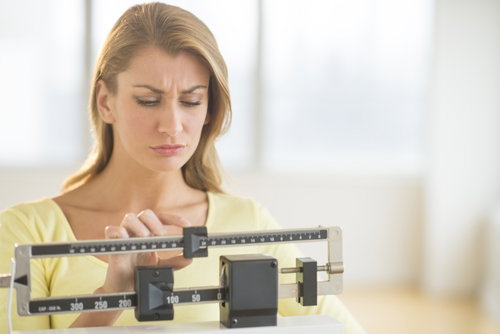
“Yes, plateaus, genetics and side effects can limit GLP-1 results for losing weight.”
If you have been using a GLP-1 weight loss medication like semaglutide or tirzepatide and suddenly feel like it quit working, it is less likely due to drug failure and more likely due to metabolic adaptation or having reached dosage ceilings. When men or women try to lose weight rapidly, their body may naturally slow metabolism to conserve energy and avoid starvation. Plus, the original dosage that triggered weight loss might only work to maintain their new weight.
In addition, during the first few weeks of taking a glucagon-like peptide-1 receptor agonists, there are more intense feelings of appetite suppression that may fade without realization of the changes. This can lead to a steady increase in portion sizes of meals, as well as open the door for an increase in consumption of liquid calories that also add to the collective daily intake of food. However, focusing on a diet with adequate protein and high-fiber may help re-establish a calorie deficit to support shedding of unwanted pounds.
Since everyone’s body needs to burn energy for fuel, rapid weight loss can trigger chemical signaling that instructs the body to preserve stored fat, even though the human body naturally prefers to use fat for fuel. But, an inadequate daily intake of protein or trying to lose weight too quickly can force it to break down lean muscle mass to be used for energy. This evolutionary survival mechanism called “starvation mode” is launched in response to the depleted energy stores.
What can I do to maintain muscle mass during weight loss?
For starters, losing weight more quickly requires vast amounts of fuel and fat cells do take longer to break down. Thus, muscle tissue containing glycogen and amino acids provides a more readily available source of energy to meet the change in metabolic demands by slowing your basal metabolic rate (BMR). However, to prevent such a shift, try a moderate calorie reduction combined with simple resistance training to signal that muscle mass is essential and should not be broken down and burned for energy. In addition, a protein-forward dietary approach also supports muscle synthesis and increases satiety.
Are There Setbacks to Using GLP-1 Weight Loss Drugs?
One of the more common setbacks using GLP-1 weight loss drugs like semaglutide and tirzepatide includes intense gastrointestinal side effects like nausea or constipation. For some men or women, this is caused by the slowing of gastric emptying of food into the digestive tract. But, by prioritizing a protein-first eating strategy, it can help to prevent sudden blood sugar spikes and crashes from making these symptoms worse.
Other GLP-1 setbacks include:
- The Weight Loss Plateau – Both weight loss drugs and bariatric surgery can trigger a “weight loss plateau”, where the person’s body aggressively resists losing weight below a “set point”.
- The Non-Responders – Research suggests that about 10% of people possess a genetic enzyme that causes an inherent resistance to weight loss meds. Non-responders often require higher dosages to achieve the same results.
- The Muscle-Loss Loop – Unfortunately, studies have revealed that rapid weight loss is often associated with heavy loss of lean muscle mass, which can biologically cause the body to protect itself from further weight loss.
- The High-Attrition Rates – Although reasons vary from a mistaken belief that weight loss meds are only a temporary fix or due to the financial strain of out-of-pocket costs, half to three-quarters of patients stop within a year.
- The Return of Food Noise – Without one-on-one support while taking GLP-1s, people’s digestion can speed up and hormonal signals return if meds are ceased. Rapid weight regain is common due to the return of food cravings.
Generally speaking, low-glycemic sources of both animal and plant-based protein are the most important macronutrients to prioritize when personalizing your menu plans when using GLP-1 prescriptive weight loss medications. That’s because glucagon-like peptide-1 receptor agonists are designed to reduce appetite and limit daily food intake, which makes it much more challenging to consume enough protein, and unlike carbohydrates or fats, excess protein is not stored by the body in the same way but works best when protein consumption is properly paced throughout the day.
_______________________
When your appetite is reduced, your focus should be on consuming as much protein as possible each day but through smaller portions with optimal nutrient density including lean animal proteins (chicken breast, salmon), non-starchy plant proteins to help manage blood sugar levels, and versatile low-fat options like Greek yogurt or egg whites. On the other hand, high-fat fried foods, processed foods that are high in added sugars, large amounts of raw cruciferous vegetables, or alcoholic beverages can worsen common side effects when combined with GLP-1 prescription medications. At Metabolic Research Center Fayetteville, our goal is to provide the one-on-one support needed to create a customized program that preserves crucial muscle mass, limits the common side effects of using a GLP-1, and produces the changes your body needs for long-term weight control.
By submitting this form, you agree to receive marketing text messages from us at the number provided, including messages sent by autodialer. Consent is not a condition of any purchase. Message and data rates may apply. Message frequency varies. Reply HELP for help or STOP to cancel. View our Privacy Policy and Terms of Service.