Improving Gut Health for Weight Control
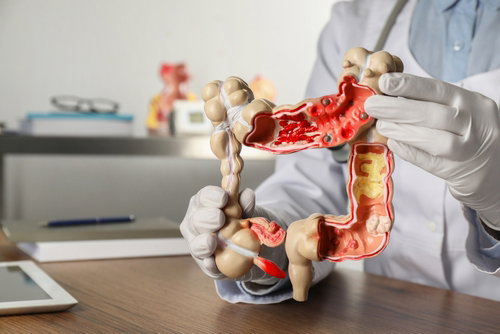
The relationship between a protein-forward diet and your gut barrier is complex and heavily dependent on the source and digestibility of the protein. Protein provides the essential amino acids needed to maintain the intestinal epithelium, or the gut lining, and produce mucin, which is a protective layer. When balanced correctly, protein first intake supports beneficial bacteria like Bifidobacterium and Lactobacillus that reduce inflammation and improve barrier integrity.
However, balance is crucial. While some proteins like non-starchy vegetables can strengthen the barrier, excessive intake of certain animal proteins can lead to harmful microbial byproducts like ammonia and sulfides. These byproducts can impair barrier function and potentially lead to a "leaky gut." To mitigate this, it is essential to consume more diverse protein sources that includes lean meats and fish alongside plenty of low-carb vegetable fiber.
MRC protein-forward, low-carb nutrition includes the right vegetables...
A protein-forward menu plan can provide the best vegetables for fat loss, increased insulin sensitivity, and good metabolic health. For dietary volume without the extra calories, non-starchy vegetables like zucchini and eggplant are low-carbohydrate options that act as great fillers to reduce your overall daily calorie intake. Additionally, broccoli, cauliflower, and Brussels sprouts are also powerful allies in weight management and inflammation reduction.
“At Metabolic Research Center, our approach is protein-forward and low-carb*—but that doesn’t mean vegetables are off the table. The right non-starchy vegetables play a critical role in metabolic health, gut function, and sustainable fat loss.”
Dana McKeen, CEO & Regional Director
Staying in keto doesn't mean sacrificing gut health. To maintain balance, focus on fiber-rich, low-carb leafy greens such as spinach, kale, and arugula, as well as cruciferous favorites like broccoli and cauliflower. Since the fermentation process naturally consumes sugar, many fermented vegetables remain low in calories, but remember to track your intake to ensure you stay within your carbohydrate limits. Colorful additions like peppers, tomatoes, and asparagus provide essential antioxidants and nutrients while slowing digestion to stabilize blood sugar.
How Microbes Impact Fat Storage
Are the trillions of microorganisms residing in your microbiome making you fat? Well, they could be. After all, your gut microbiome is intimately linked to your metabolic health as well as any weight issues that you may have. Researchers now say the difference in gut flora (mostly bacteria and yeast) are associated with obesity and unintended weight gain. Plus, an overgrowth of bacteria in small intestine can lead to malabsorption, as it interferes with the normal digestion of carbohydrates, proteins, and fats.
Additionally, gut microbes can impact fat gain by altering how your body extracts calories from food and then determining whether it is better to burn lipids or redirect excess energy to fat storage. Microbial imbalances (dysbiosis) are often linked to an obesity profile with overall gut bacteria that favor increased energy harvesting for higher overall fat absorption due to reduced gut diversity. On the other hand, beneficial gut bacteria in the microbiome like Turicibacter and Lactobacillus gasseri can indeed promote leanness.
A slow down in metabolism in gut bacteria can also contribute to unwanted fat storage. So, the best solution lies in your understanding as to how your body absorbs nutrients and converts them into energy. Naturally, to support a reduction in belly fat, you might favor taking probiotic supplements or consuming fermented foods like yogurt or kefir, as studies have shown effectiveness in reducing body fat along with waist circumference. But keep in mind that supplements are only one piece of the puzzle, and both diet and exercise are also key factors.
Nurture Mechanisms of Influence for Wellbeing
Gut bacteria help your body extract energy from indigestible fiber by converting them into short-chain fatty acids through the process of fermentation. This provides vital fuel for the host and the microbes. Although your body lacks the enzymes required to break down complex carbohydrates, beneficial gut bacteria produce these specialized compounds. Moreover, this process is crucial for maintaining microbial health and the overall well-being of the host for immune function, inflammation regulation, and prevention of leaky gut.
- Dietary Changes – Going low-carb doesn't mean you have to sacrifice nutrition. Leafy greens and cruciferous vegetables like spinach and broccoli are nutrient powerhouses that are extremely low in net carbs, meaning you can enjoy them without exiting ketosis. However, be mindful of portion sizes, as very large volumes can cause digestive discomfort. To boost your fat intake, try sautéing or roasting your veggies in healthy fats or simply drizzle olive oil over your salads. As a general rule of thumb, stick to vegetables that grow above ground, as root vegetables and legumes tend to be higher in starch and carbs. Finally, steer clear of all plant-based sugars—including cane sugar, as these are high in carbs and not keto-friendly.
- Lifestyle Adjustments – Although your gut microbiome is very resilient, adopting healthier lifestyle habits like quitting smoking and moderating alcohol intake can help restore your gut lining and increase diversity as beneficial microbes flourish. Since chronic stress triggers the release of cortisol hormone, this can interfere with the chemical signaling of your gut-brain axis. Once the delicate balance of your gut microbiome is disrupted, it can contribute to various health issues like a weakened immune system and metabolic disorders. Adequate sleep is also needed, as this supports your gut’s natural circadian rhythm that regulate digestion and nutrient absorption. Not getting enough rest boosts harmful inflammation.
- Gut Health Supplements – Different digestive enzymes target specific nutrients: amylase for carbohydrates, protease for protein, and lipase for fats. These can help your body break down food more effectively, improving nutrient absorption. Plus, Omega-3 fatty acids have anti-inflammatory properties that can help heal a leaky gut and support better bacterial balance. L-glutamine, on the other hand, is an amino acid essential for muscle recovery, immune support, and gut health. Although the body produces it naturally, levels may need replenishing during times of intense physical stress, illness, or injury. Prebiotics are specialized plant fibers that help good bacteria thrive and fermented probiotics are live microorganisms.
Lifestyle factors like diet and exercise play a major role in the obesity epidemic, but gut health is a crucial, often overlooked piece of the puzzle. This diverse community of microbes is so powerful that some experts call it an additional organ. Unfortunately, a weakened microbiome is less able to keep potentially harmful bacteria in check and this can lead to recurring metabolic health issues. The good news is that integrating healthier habits into your routine, such as eating a variety of plant proteins, staying well hydrated, and participating in regular physical activity, can improve metabolic well-being.
_____________________
*Protein-First: How Low-Carb Vegetables Support Weight Loss
While your gut’s initial composition is shaped at birth, it is your lifestyle choices and aging throughout adulthood that defines the day-to-day function of your microbiota. To cultivate a microbial ecosystem that supports long-term weight management, we start by focusing on a holistic (whole person), but uniquely personalized (individual needs) approach that has been developed over several decades of applying the latest science for weight control. Plus, unlike plant-based diets, our approach prioritizes protein to preserve lean mass.
To better support your gut flora, a weight loss coach at MRC will help you design a menu plan that features “protein-forward, low-carb nutrition” with non-starchy, fiber rich vegetables that are micro-nutrient dense to aid microbial balance for better metabolic health and wellness. Your gut also plays a crucial role in how bacteria activate, inactivate, or create toxic byproducts from medications. This interaction is especially important for those using GLP-1 weight loss medications or blood glucose regulators, as gut bacteria can impact bioavailability.
In addition, Metabolic Research Center can assist with your body’s specific needs for probiotics and prebiotics, as well as other weight-related supplementation that may be needed due to specific health issues. Reducing stress, getting adequate sleep, and exercising regularly also promote a healthy gut microbiome. Whether you prefer a prescriptive medical weight loss plan or select a more traditional approach for healthy living, our team can help you identify the best options for maintaining a healthy gut microbiome.
By submitting this form, you agree to receive marketing text messages from us at the number provided, including messages sent by autodialer. Consent is not a condition of any purchase. Message and data rates may apply. Message frequency varies. Reply HELP for help or STOP to cancel. View our Privacy Policy and Terms of Service.