How BMI Identifies Metabolic Inefficiencies
“Visit MRC Fall River to Learn More About Your Metabolic Rate“
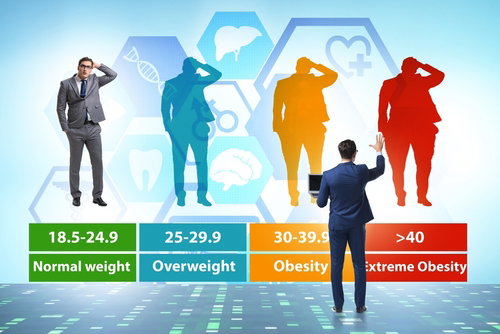
While the body mass index (BMI) is a valuable and quick screening tool, it has its limitations. It doesn't directly measure your metabolism, metabolic inefficiencies, or where your body stores the fat, which is just as important as how much fat you carry. For instance, BMI cannot distinguish between central adiposity (belly fat) and peripheral adiposity (hip or thigh fat). As a result, individuals with a seemingly healthy BMI can still harbor hidden metabolic obesity in a normal weight range.
Despite these limitations, the U.S. Food & Drug Administration (FDA) uses BMI thresholds to determine eligibility for GLP-1 weight loss medications. Generally, a person qualifies with a BMI of 30 or higher as obese or 27 or higher as overweight. The FDA relies on these metrics because GLP-1 medications can significantly improve an overweight individual’s body composition. But, it is also important to look beyond how much body fat is stored and identify where it is stored.
When you reduce your daily food intake, your body can lose critical lean muscle mass as well as fat. That matters because muscle is metabolically active and helps your body burn energy more efficiently, even at rest. For this reason, experts often recommend pairing medical weight loss treatments with healthy lifestyle changes and personalized protein-forward menu plans. Since body mass index cannot diagnose inefficiencies directly, modern approaches look at measures of body composition, such as overall fat percentage.
What the science says about pros and cons of BMI...
A Belgian scientist developed this simple way of measuring risk of disease for what he dubbed as the socially ideal male body that is now known as BMI. However, according to the American Medical Association, BMI is an imperfect way to measure body fat, especially in multiple groups. That’s because it does not account for factors like ethnicity, gender or age-span and recommended that body mass index be used in conjunction with other measures of disease risk, such as specific measurement of visceral fat stored around internal organs or overall body composition. For example, a body builder with large muscle mass may have a BMI that incorrectly determines them to be obese despite very low levels of abdominal fat. In addition, females tend to store more subcutaneous fat in their hips and thighs. Race-wise, people of Japanese ancestry have higher rates of metabolic disease than other ethnic groups with higher BMIs. Although it is not a perfect measure of health, BMI is still useful for identifying obesity that impacts many aspects of restoring metabolic wellbeing and increased life expectancy.
PROTEIN FORWARD EATING CAN HELP LOWER BMI
Following a personalized protein-forward menu plan can help lower your body mass index by boosting metabolic processes while reducing hunger hormones and preserving lean muscle tissue, which is usually difficult to do when cutting calories. Without question, lean sources of animal and plant-based proteins make it easier to shed unwanted fat deposits and achieve long-term weight control. Since your body burns more calories breaking down protein (thermogenesis) as compared to carbohydrates and fats.
Nonetheless, quality matters a bunch, so focus on lean nutrient-dense sources like plain Greek yogurt with fresh berries or skinless poultry or fatty fish with low-glycemic plant-based options like dark leafy greens or broccoli. Since excess protein cannot be stored by the body like carbohydrates and fats, it is fine to consume smaller portions at meal times and insert pre-planned high-protein snacks between meals with non-starchy veggies, a handful of nuts, or even a protein smoothie with healthy fats like nut butter, chia seeds, or avocado for creaminess.
Best of all, a higher intake of protein ensures that you are losing fat rather than losing calorie-burning muscle mass after a sharp reduction in daily food intake. Additionally, high-quality sources of protein should be part of diets for people with metabolic disorders like type 2 diabetes, because it has an important role in glucose metabolism. Both animal and plant-based sources of protein can slow digestion and lead to a more gradual rise in blood sugar levels as compared to the glucose spikes that are common with carbohydrate macronutrients.
_____________________
Body mass index is fundamentally a weight-to-height ratio that relies on the assumption that an increased weight in proportion to height indicates excess fat accumulation and mostly in the midsection. This is due in part to the storage of visceral fat, which is potentially more dangerous, around abdominal organs. Unfortunately, as the heart works harder to pump blood, the body’s energy use and resting basal metabolic rate (BMR) change making the body less responsive to insulin. If you’re trying to decide whether a prescription-based weight loss plan or a more holistic metabolic weight loss program is right for you, contact MRC Fall River today. One of our weight loss coaches will be in touch to discuss how hormone imbalances, genetic factors and key lifestyle habits may have slowed your metabolism and led to unintended weight gain. After all, hormonal balance can be restored and disrupted metabolic rates can be reset with a personalized approach.
By submitting this form, you agree to receive marketing text messages from us at the number provided, including messages sent by autodialer. Consent is not a condition of any purchase. Message and data rates may apply. Message frequency varies. Reply HELP for help or STOP to cancel. View our Privacy Policy and Terms of Service.