Is Dining Out a No-No Taking GLP-1 Meds?
“Not at all. In fact, studies suggest GLP-1 users tend to eat out more often.”
Unlike naturally occurring glucagon-like peptide-1 gut hormones, which have a half-life of just a few minutes, pharmaceutical GLP-1 receptor agonists are engineered to remain active for days. Since they work by slowing the rate at which food moves from your stomach into the digestive tract, they intensely reduce hunger and promote a prolonged sense of fullness. Because food now leaves your stomach more slowly, eating an oversized or rich restaurant meal when dining out can significantly increases your risk of discomfort.
Although GLP-1 side effects are especially pronounced during the early weeks of treatment, understanding how these medications work can help you make smarter choices at a restaurant and avoid known side effects. For starters, avoid temptations like high-fat, greasy, heavily sauced dishes, and sugary drinks as these are common triggers for gastrointestinal discomfort. You can also ask your server to box half your meal even before it reaches the table. It’s a win-win as the temptation to overeat is removed and you have a second meal.
Since prescription GLP-1 receptor agonists slow the digestive process due to gastric emptying of food from the stomach to the intestinal tract, avoid large, rich restaurant meals that difficult to tolerate. In addition, this is where picking the right restaurant, strategic ordering, and mindful portion control can make a huge difference optimizing your experience dining out while taking GLP-1 medications. That said, a recent study concluded that GLP-1 users tend to dine out much more frequently while losing weight, in part due to the convenience.
Is there a diet for people taking a GLP-1 Medication?
There is no single prescribed diet for GLP-1 medication users, but dietary adjustments are strongly recommended. People taking single-action or dual-hormone GLP-1 medications for obesity or severe overweight with weight-related disorders often notice their relationship with food shifting naturally. These incretin mimetics are designed to reduce appetite and increase satiety sooner, so high-calorie comfort foods that once felt irresistible may lose their appeal over time. Additionally, common gastrointestinal side effects can leave patients unsure of what to eat due to a reduced interest in food throughout the day. Prioritizing nutrient-dense, easy-to-tolerate meals during this adjustment period is key to maintaining adequate nutrition while managing side effects.
Does Protein-First Work Dining Out on a GLP-1s?
Yes. The protein-first approach is equally effective whether eating at home or dining out. start with lean protein, add non-starchy vegetables next, and save complex carbohydrates for last. This sequence maximizes nutrient intake before satiety sets in, which is especially important for GLP-1 users who may feel full well before finishing a meal. Beyond eating order, spreading protein intake throughout the day rather than concentrating it in a single sitting is a well-regarded strategy (protein pacing) for supporting muscle maintenance.
Can You Drink Alcohol While Taking a GLP-1 Medication?
Yes, alcohol is not strictly prohibited while taking a GLP-1 receptor agonist, but caution is warranted. Clinical studies support the idea that even a single drink can affect the system more intensely for someone eating less than usual—meaning alcohol's effects, including impaired judgment and gastrointestinal discomfort may be amplified. Remaining attentive to how alcohol is affecting the body and avoiding excess consumption are especially important for GLP-1 users, given the increased sensitivity that may accompany reduced food intake.
Strategies for Eating Out on GLP-1 Medications
Eating out on GLP-1 medications (like semaglutide or tirzepatide) works best when you choose flexible restaurants, prioritize lean protein and fiber, slow down your pace to match delayed fullness cues, and box up half your meal immediately to avoid digestive discomfort.
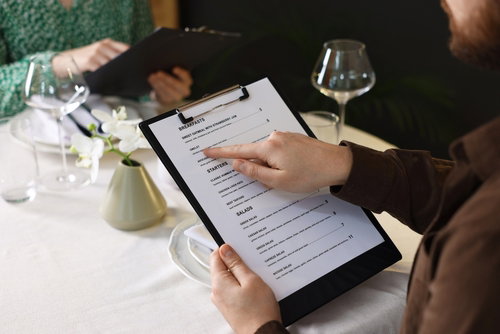
- Pre-plan everything before you arrive - Review the restaurant menu in advance. Identify lean protein options, non-starchy vegetables, and lighter dishes before you sit down. Going in with a plan reduces the likelihood of impulse ordering foods that may trigger side effects.
- Selecting the right restaurant - Choose restaurants that offer flexible portion sizes, customizable dishes, or à la carte menus. Farm-to-table, Mediterranean, and Japanese restaurants tend to offer lighter, protein-forward options that align well with GLP-1 dietary needs.
- Strategic protein-forward menu ordering - This protein-first eating sequence ensures your body receives its most essential macronutrient before medication-induced fullness sets in. Prioritize lean protein first, follow with non-starchy vegetables, and save complex carbohydrates for last.
- Avoid the temptation of bad choices - High-fat, greasy, heavily sauced dishes, sugary drinks, and alcohol are the most common triggers for gastrointestinal discomfort when taking prescriptive GLP-1 medications.
- Request half portions upfront - Ask your server to box half your meal before it reaches the table. Many restaurants will accommodate this request, and it removes the temptation to overeat. In addition, it gives you an additional reward for not having to prepare this second meal and leftovers also make economic sense.
Remember to never arrive at the restaurant starving. You can eat a protein-rich snack like a hard-boiled egg an hour or two before meeting others to help prevent overeating at the table. Moreover, if you can order from the appetizer menu, choose a smaller lunch portion, or simply plan to split an entrée.
______________________
Dining out while taking a prescription GLP-1 medication means planning ahead, prioritizing proteins, and managing portion sizes. Because these drugs slow digestion, heavy or greasy meals can trigger nausea or discomfort. So, focus on grilled or baked foods, eat slowly, and do not hesitate to ask for modifications or pack up leftovers immediately. Grilled chicken, fish, shrimp, tofu, or lean steak paired with steamed or roasted vegetables are excellent choices, and remember that meals can be split or half can be boxed ahead of time. At Metabolic Research Center Eugene, our goal is to provide the GLP-1 support needed to create a customized program that preserves crucial muscle mass, limits the common side effects of using a GLP-1 receptor agonist, and produces the changes your body needs for sustainable weight control.
By submitting this form, you agree to receive marketing text messages from us at the number provided, including messages sent by autodialer. Consent is not a condition of any purchase. Message and data rates may apply. Message frequency varies. Reply HELP for help or STOP to cancel. View our Privacy Policy and Terms of Service.