Is Orforglipron a Non-Peptide GLP-1 Medication?
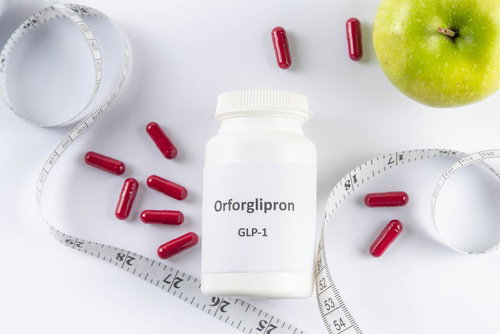
“Yes. This once-daily oral agonist offers an important small-molecule advantage as an easily absorbed GLF-1.”
Marketed as Foundayo, orforglipron is an oral, once-daily non-peptide GLP-1 receptor agonist developed by Eli Lilly and approved by the FDA in April 2026 for chronic weight management. It is the first small-molecule GLP-1 receptor agonist to receive FDA approval for obesity and weight-related metabolic conditions, which offers a meaningful alternative to injectable or peptide-based therapies. Clinical trials show average weight losses of 11% to 12.6% of total body weight and significant reductions in HbA1c, blood pressure, and lipid levels.
Orforglipron is a small, non-peptide organic molecule that activates the GLP-1 receptor to suppress appetite and regulate blood glucose levels. Unlike traditional GLP-1 medications, such as semaglutide or liraglutide, which are large peptide chains requiring injection or complex oral formulation. Because orforglipron is not a peptide, stomach acid does not break it down. This enables reliable absorption of the oral GLP-1 and without chemical permeation enhancers, fasting protocols, or water restrictions.
This once-daily receptor agonists works by selectively activating GLP-1 receptors in a glucose-dependent manner, which suppresses appetite and helps stabilize blood sugar without meaningfully increasing the standalone risk of hypoglycemia. Orforglipron begins to affect appetite within 3 to 5 days of kick starting your medically-supervised weight loss journey, with noticeable weight loss typically appearing within 4 to 8 weeks. Measurable, meaningful results develop over 12 to 36 weeks as a physician gradually titrates the dose.
What is the safest GLP-1 receptor agonist?
There is no single "safest" GLP-1 receptor agonist. FDA-approved options, including semaglutide, tirzepatide, and orforglipron, share broadly comparable safety profiles, with mild-to-moderate gastrointestinal effects being the most common class-wide concern. Individual safety depends entirely on a patient's medical history, underlying health conditions, and tolerance under physician supervision. True safety in GLP-1 therapy comes from using FDA-approved, brand-name medications through a legitimate prescription, and avoiding unregulated or compounded alternatives.
Is it safe to switch from tirzepatide to orforglipron?
Switching from tirzepatide GLP-1/GIP receptor agonist to orforglipron requires guidance from a physician and is generally considered to be safe and effective. In fact, clinical data show that transitioning to orforglipron helps patients preserve the majority of the weight lost on weekly-injectable GLP-1s like tirzepatide. Basic considerations include:
- Side effect profile: Orforglipron shares a similar side-effect profile with other GLP-1 medications, primarily mild-to-moderate gastrointestinal effects such as nausea, diarrhea, and constipation. No unique or unexpected safety signals have been associated with the switch.
- No automatic dose conversion: Since there is no direct conversion chart between injectable incretin dosing and oral small-molecule dosing, a physician is needed to guide the transition from a weekly injection to a once-daily pill to avoid compounding known digestive side effects.
However, orforglipron’s non-peptide structure does simplify both manufacturing and storage as compared to injectable biologics or peptide-based oral formulations, which may impact broader access to this latest GLP-1 over time. Moreover, orforglipron demonstrates strong clinical efficacy across both weight loss and glycemic control endpoints.
Does orforglipron have side effects too?
Yes, it does and those side effects are consistent with other single-action GLP-1s like semaglutide and dual-hormone action receptor agonists like tirzepatide. These effects are typically most pronounced during dose escalation and tend to diminish over time. The most commonly reported effects are mild-to-moderate and gastrointestinal in nature, such as nausea, diarrhea, constipation, and vomiting. Orforglipron acts in a glucose-dependent manner, which minimizes the standalone risk of hypoglycemia. Important contraindications: Individuals with a personal or family history of medullary thyroid carcinoma, or a history of severe pancreatitis, should avoid GLP-1 receptor agonists and discuss alternative treatments with their physician.
Frequently Asked Questions - Orforglipron
Q: Can orforglipron be taken with food?
A: Yes. Orforglipron can be taken at any time of day, with or without food, and without water or fasting restrictions. This distinguishes it from oral semaglutide, which requires strict morning fasting and waiting periods before eating.
Q: Is orforglipron approved for type 2 diabetes?
A: Orforglipron has demonstrated significant HbA1c reductions and improved glycemic control in clinical trials. In the UK, the MHRA approved Foundayo for both obesity and type 2 diabetes management as of August 2026. Patients should consult their physician regarding approved indications in their country.
Q: How long does it take to see results with orforglipron?
A: Orforglipron typically begins affecting appetite within 3 to 5 days. Noticeable weight loss generally appears within 4 to 8 weeks, with more meaningful reductions developing over 12 to 36 weeks as the dose is gradually increased.
Q: Who should not take orforglipron?
A: Individuals with a personal or family history of medullary thyroid carcinoma, or those with a history of severe pancreatitis, should not take orforglipron or other GLP-1 receptor agonists. Always consult a licensed physician before starting any GLP-1 therapy.
Q: Does orforglipron require refrigeration?
A: Because orforglipron is a non-peptide small molecule rather than a biological injectable, its storage requirements are simpler than those of peptide-based therapies. Specific storage guidance should be confirmed with a pharmacist or prescribing physician.
________________________
Unlike older GLP-1 medications, orforglipron differs from other GLP-1 medications in three key ways: its chemical structure, the number of hormone receptors it targets, and how it is administered. However, it works the same and mimics the natural GLP-1 hormone to stimulate receptors in cells to slow stomach digestion, increase feelings of fullness, and reduce appetite as well as over calorie intake. However, this small-molecule non-peptide has a more appealing method of administration, especially for patients who are needle averse. At Metabolic Research Center Clackamas, our goal is to provide the GLP-1 support needed to create a customized program that preserves crucial muscle mass, limits the common side effects of using a GLP-1 receptor agonist, and produces the changes your body needs for sustainable weight control.
By submitting this form, you agree to receive marketing text messages from us at the number provided, including messages sent by autodialer. Consent is not a condition of any purchase. Message and data rates may apply. Message frequency varies. Reply HELP for help or STOP to cancel. View our Privacy Policy and Terms of Service.