Gut Bacteria Inhibit Fat Absorption
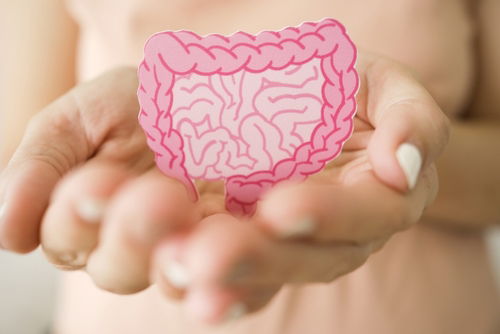
Your weight might be determined by more than just your diet; your gut microbiome plays a massive role. It turns out that specific gut bacteria interact in a complex way to either inhibit or promote fat absorption. This is often done by regulating the molecules responsible for fat uptake. For instance, bacteria like Turicibacter have shown significant promise in reducing weight gain by influencing how much fat your body actually absorbs and stores.
Normally, the body digests dietary fats (mostly triglycerides) in the small intestine, breaking them down into fatty acids to be transported via the bloodstream for energy or storage. However, certain bacteria can intervene in this process. They trigger the production of molecules in the gut lining, which blocks lipoprotein lipase, an enzyme essential for fat absorption. By blocking this enzyme, these bacteria effectively reduce the amount of fat your body stores.
MRC protein-forward, low-carb menus include the right vegetables...
Incorporating complex, low-carb vegetables into your diet is a fantastic way to boost your metabolism while maintaining a ketogenic or low-carb lifestyle. Focus on fibrous, non-starchy options like leafy greens (think spinach and kale), broccoli, cauliflower, Brussels sprouts, asparagus, and zucchini. These powerhouses are packed with fiber, vitamins, and minerals that aid digestion and keep you feeling full longer. By stabilizing blood sugar and improving gut function, these vegetables provide the slow-releasing energy your body needs for optimal metabolic health.
“At Metabolic Research Center, our approach is protein-forward and low-carb*—but that doesn’t mean vegetables are off the table. The right non-starchy vegetables play a critical role in metabolic health, gut function, and sustainable fat loss.”
Dana McKeen, CEO & Regional Director
If you are looking to boost hydration through your diet, focus on water-rich vegetables like cucumbers, celery, romaine lettuce, radishes, and zucchini, all of which are over 90% water. Tomatoes and bell peppers are also excellent choices, offering antioxidants alongside hydration. Since cooking can cause water loss, try eating these vegetables raw in salads, salsas, or as crunchy snacks. You can also get creative by using lettuce for wraps, adding zucchini to smoothies, or swapping grain-based pasta for "zoodles" to significantly increase your daily water intake.
Complex Link of Gut Bacteria and Weight Gain
To understand this, we need to look at the biology of fat absorption and this science is advancing quickly. In December 2025, researchers identified a standout "anti-obesity" microbe that improves metabolic health by lowering ceramides, the fatty molecules that typically encourage the intestines to absorb and store fat. Understanding these microbial mechanisms opens the door for exciting new obesity treatments, potentially leading to therapies designed to manage weight.
So, how do you cultivate these helpful microbes? Diets rich in whole grains, vegetables, and legumes are known to promote the microbial diversity necessary to regulate fat metabolism. Strains like Lactobacillus and Bifidobacterium are frequently linked to improved lipid profiles and lower fat accumulation. However, recent findings suggest that dietary intake success may rely on whether these specific fat-regulating bacteria are already present in your gut.
It is important to note that there is a fine line between healthy inhibition and harmful malabsorption. While reducing fat storage can be beneficial, conditions like dysbiosis in small intestinal bacterial overgrowth can lead to pathological fat malabsorption. This can result in uncomfortable symptoms and serious issues, such as deficiencies in fat-soluble vitamins (D, E, A, and K), highlighting the need for a balanced approach to gut health.
Optimizing Gut Health on Low-Carb Diets
Optimizing your gut health on a low-carb, protein-first diet focuses on adding high-fiber, non-starchy vegetables like leafy greens and fermented foods like sauerkraut with proper supplementation for prebiotics and probiotics to maintain microbial balance. However, its important to work with a dietary coach as reducing carbs can decrease certain beneficial gut bacteria and it is crucial to incorporate the right plant protein to prevent unwanted gut issues that can cause unintended weight gain.
- Dietary Changes – For robust gut barrier protection, focus on diet diversity. A healthy microbiome thrives on a mix of fiber-rich foods like fruits, vegetables, whole grains, and legumes, as well as probiotic-rich fermented foods (such as Greek yogurt, kimchi, and kefir) alongside prebiotic powerhouses like garlic, onions, and asparagus. Don't forget ; bone broth, salmon, and eggs are good choices for reducing inflammation and nourishing good bacteria. There are also plenty of creative alternatives to traditional bread. For keto-friendly options, try using lettuce or cabbage leaves for fresh wraps, as these non-starchy vegetables help to provide essential fiber without kicking you out of ketosis.
- Lifestyle Adjustments – Optimizing gut health while on a low-carb diet in 2026 requires balancing macronutrient goals with the specific needs of your microbiome, which can be altered by making key lifestyle adjustments. Since low-carb menu plans can lead to water loss and constipation; aim for at least eight glasses of water daily to support regularity and bowel motility. It also helps to eat without distractions and chew your food thoroughly to enhance both digestion and nutrient absorption. Aligning your eating windows with your circadian rhythm gives your digestive system its natural rest period, plus daily walks after the dinner meal can stimulate digestion and reduce stress for better sleep management.
- Gut Health Supplements – Probiotic and prebiotic food sources (as well as supplements) can feed good bacteria and digestive enzymes for fat digestion by ensuring sufficient micronutrients like magnesium and Vitamin D. Moreover, keto-friendly alternatives like MCT oil, collagen, and bone broth provide fuel and gut lining support to protect your microbial barrier. Generally speaking, key supplements on a protein-firs, low-carb diet include probiotics, prebiotic fiber, digestive enzymes, L-glutamine, and magnesium. These help manage common digestive issue and help maintain a balanced microbiome. Found in fish oil supplements, omega-3s increase anti-inflammatory compounds and beneficial gut bacteria like Bifidobacterium and Lactobacilli.
Balancing high protein intake with fiber, fermentation, and hydration helps prevent inflammation and digestive slowdown, when optimizing microbial gut function on a protein-forward, non-starchy diet. For starters, avoid consuming excessive amount of highly processed foods, especially those containing lots of artificial ingredients. New 2026 federal dietary guidelines emphasize whole-food proteins while highlighting the critical role of fermented foods (powerhouse probiotics) and indigestible fiber for microbiome support.
_____________________
*Protein-First: How Low-Carb Vegetables Support Weight Loss
While your gut’s initial composition is shaped at birth, it is your lifestyle choices and aging throughout adulthood that defines the day-to-day function of your microbiota. To cultivate a microbial ecosystem that supports long-term weight management, we start by focusing on a holistic (whole person), but uniquely personalized (individual needs) approach that has been developed over several decades of applying the latest science for weight control. Plus, unlike plant-based diets, our approach prioritizes protein to preserve lean mass.
To better support your gut flora, a weight loss coach at MRC will help you design a menu plan that features “protein-forward, low-carb nutrition” with non-starchy, fiber rich vegetables that are micro-nutrient dense to aid microbial balance for better metabolic health and wellness. Your gut also plays a crucial role in how bacteria activate, inactivate, or create toxic byproducts from medications. This interaction is especially important for those using GLP-1 weight loss medications or blood glucose regulators, as gut bacteria can impact bioavailability.
In addition, Metabolic Research Center can assist with your body’s specific needs for probiotics and prebiotics, as well as other weight-related supplementation that may be needed due to specific health issues. Reducing stress, getting adequate sleep, and exercising regularly also promote a healthy gut microbiome. Whether you prefer a prescriptive medical weight loss plan or select a more traditional approach for healthy living, our team can help you identify the best options for maintaining a healthy gut microbiome.
By submitting this form, you agree to receive marketing text messages from us at the number provided, including messages sent by autodialer. Consent is not a condition of any purchase. Message and data rates may apply. Message frequency varies. Reply HELP for help or STOP to cancel. View our Privacy Policy and Terms of Service.