Signs to Slow or Stop Using Melatonin Pills
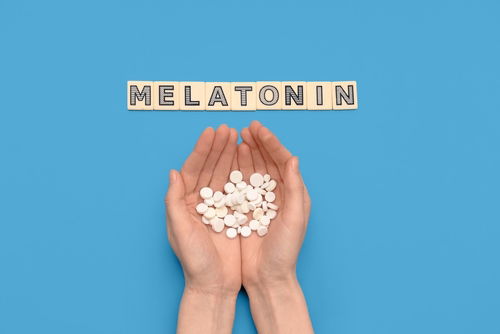
“When Sleep Aids Aren’t So Simple and You Need a Break”
The quality of sleep you get at night is heavily dependent on the sleep hormone melatonin that helps to regulate your body’s circadian rhythm. If there is a deficiency or disruption, this can result in signs of restlessness, poor stress response, insomnia, or waking up too early in the morning. While melatonin overdose is rare, misuse of this sleep aid has become a growing concern in regards to its potential effects on heart health after long-term use.
Whereas melatonin is considered to be a safe over-the-counter supplement for short-term treatment of acute insomnia (or jet lag), its safety after continuous use is still unknown. In fact, users sometime complain about noticeable side effects, such as headaches, dizziness or next-day drowsiness experienced after high-dosage or longer term usage. Plus, more recent research suggests you should take routine breaks and limit supervised use to a maximum of 13 weeks.
Recently, research presented at the American Heart Association’s Scientific Sessions 2025 in New Orleans, suggests that using melatonin aids for a year or more may be linked to a higher risk of heart problems. Although the study hasn’t been peer-reviewed, 130,000 adults taking the supplement for one year or more for insomnia were linked to higher rates of heart failure, hospitalizations, and death from any case. In fact, the increase in risk of heart failure was 90% with a 3.5 times higher rate of hospitalization over five years, and double the mortality.
Changes in the labeling of heart failure as metabolic...
The heart is your body's most energy-hungry organ, and it goes to extraordinary lengths to keep beating. Under normal conditions, it's metabolically flexible and capable of burning fatty acids, glucose, lactate, or ketone bodies depending on what's available. But in heart failure, that flexibility breaks down. The heart shifts away from its preferred fuel source (fatty acids) and falls back on a less efficient process called glycolysis, a state that doctors often describe as an "engine running out of fuel." This metabolic reversal depletes the heart's energy reserves, weakens its pumping ability, and drives up oxidative stress. This is why heart failure is now increasingly understood as more than a problem with the pump; it is a metabolic disorder that is deeply intertwined with conditions like obesity, diabetes, insulin resistance, and muscle wasting.
SLEEP FRIENDLY HABITS TO RESTORE BALANCE
For starters, are you’re doing what is needed to trigger natural melatonin release? It is critical to ensure you are exposed to sunlight early in the morning, usually within a half hour of waking up. That way you’ll be more alert starting your day and it also triggers your body to produce nighttime melatonin earlier, so you feel sleepy at night. In addition, sunlight has additional benefits that can contribute to a good night of rest, as your body shifts from energy consumption to restoration by reducing your overall metabolic rate.
MRC Brunswick’s protein-forward menu plans support melatonin production by providing essential amino acids like tryptophan. Normally associated with eating turkey on Thanksgiving, your body cannot produce tryptophan on its own, so it must be consumed. It is then converted into serotonin and then melatonin to help regulate sleep. Surprising to some, chicken breasts actually contains more tryptophan than turkey. Other protein-first sources include fish, eggs, cheese, edamame, peanuts, and soy products like tofu.
While a steady intake of protein throughout your day is essential, high-fat foods can interfere with your sleep. But consuming protein-rich foods provides the nutritional benefits needed by supporting your body’s natural sleep-wake (circadian) cycles. Plus, top protein-forward foods like tofu, pumpkin seeds, almonds, cashews, black beans, salmon, mackerel, beef, and chicken are also magnesium rich. Whereas melatonin is not a sedative but a cycle regulator, magnesium acts as a relaxant for your nervous system to aid sleep.
____________________
Although melatonin is generally a safe supplement for treating acute deficiencies, you must avoid taking it too long (consecutively) or taking too much, especially with the recent observational studies that suggest an increased risk of heart failure when abused. Nonetheless, consuming proteins containing magnesium can also promote relaxation and improve sleep quality. If you’re struggling to sleep, contact Metabolic Research Center Brunswick today. One of our weight loss coaches will be in touch to discuss how you can get a good night’s sleep and still enjoy the weight loss benefits of a protein-first, low carb diet. After all, the quality of sleep you get isn’t just about getting through your daily grind; your gut-brain-melatonin axis is directly linked to increased risk of heart disease, high blood pressure, diabetes, kidney disease, stroke, and obesity.
*NOTE: Generally speaking, melatonin supplementation should be avoided by pregnant or breastfeeding women, those with autoimmune disease, or individuals taking immunosuppressants, blood thinners, or certain blood pressure medications.
By submitting this form, you agree to receive marketing text messages from us at the number provided, including messages sent by autodialer. Consent is not a condition of any purchase. Message and data rates may apply. Message frequency varies. Reply HELP for help or STOP to cancel. View our Privacy Policy and Terms of Service.