Protein Forward Effects on Host Metabolism
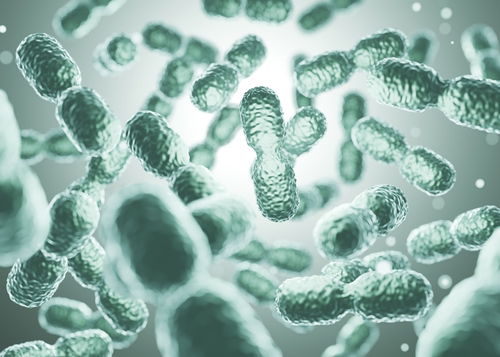
Your gut microbiome plays a crucial role in metabolism. It acts like an engine for the body’s metabolic processes, breaking down complex carbohydrates and fibers into short-chain fatty acids. SCFAs fuel the cells in your digestive tract, trigger vital metabolic signals, and nourish the body. Beyond digestion, healthy gut bacteria help synthesize nutrients, absorb fats, and even produce vitamins your body cannot make on its own.
Gut bacteria are major players in weight control because they regulate how you harvest energy from food. Certain bacteria are more efficient at breaking down complex carbs and dietary fibers that natural enzymes cannot digest. This fermentation process allows the body to absorb energy more efficiently. Interestingly, differences in gut bacteria can alter energy harvesting, which might explain why some individuals are prone to weight gain while others are not.
Protein-forward, low-carb nutrition includes the right vegetables...
Going low-carb doesn’t mean you have to sacrifice nutrition. Leafy greens and cruciferous vegetables are excellent keto staples because they are nutrient-dense but extremely low in net carbs. As a general rule, stick to vegetables that grow above ground—like spinach, kale, broccoli, and cauliflower. These non-starchy veggies do more than just fill your plate; they actively support your metabolic health and wellbeing. High in fiber and water help stabilize blood sugar to naturally reduce appetite.
“At Metabolic Research Center, our approach is protein-forward and low-carb*—but that doesn’t mean vegetables are off the table. The right non-starchy vegetables play a critical role in metabolic health, gut function, and sustainable fat loss.”
Dana McKeen, CEO & Regional Director
Think of low-glycemic, fiber-rich vegetables as your microbiome’s source for premium fuel. Healthy gut flora breaks down dietary components like antioxidants and amino acids to create metabolites that can impact insulin sensitivity. While the body prefers simple carbohydrates for quick energy, as it can almost instantly convert them to glucose, healthy fats serve as a dense source of energy for sustained endurance; and daily sources of lean proteins are primarily reserved for building and repair of tissue at the cellular level.
Gut Imbalances Increase Fat Storage
Have you ever wondered why some people seem to gain weight more easily than others, even when eating the same amount of food? The answer may lie in their gut bacteria. Researchers have found that the microbiomes of individuals with obesity may be more efficient at extracting energy from food. An imbalance in specific microorganisms, such as a higher ratio of Firmicutes to Bacteroidetes bacteria that can lead to the production of more short-chain fatty acids, effectively harvesting extra calories that contribute to weight gain.
When the body’s fat storage capacity is exceeded, fat can begin to accumulate in other organs, leading to serious metabolic issues like insulin resistance. In this state, the pancreas releases more insulin, which can unfortunately increase hunger and cravings for sweets, creating a vicious cycle where weight loss becomes increasingly difficult. Disruptions in the gut microbiome are linked to chronic, low-grade inflammation that worsens this insulin sensitivity, potentially leading to Type 2 diabetes and non-alcoholic fatty liver disease.
These microbes activate the vagus nerve, a neural superhighway sending rapid signals between the gut and brain. This means that an imbalanced microbiome doesn't just affect your waistline; it can influence your mood and behavior, potentially linking poor gut health to anxiety and depression. Maintaining a healthy gut through diet and lifestyle is a promising strategy for improving both physical and mental well-being. However, while a healthy diet supports overall health, it shouldn't replace supportive medical treatments.
What to Feed Your Gut Flora for Success
Did you know that about 95% of the body’s serotonin, along with other mood regulators like dopamine and GABA, is produced by gut bacteria? This connection creates the "microbiota-gut-brain axis," a complex communication network linking your digestive system to your brain. These chemical messengers help regulate sleep, appetite, and cognitive functions. Disruptions in this bacterial balance have been linked to mental health issues like anxiety and depression, highlighting the powerful influence your gut has on your overall mood and well-being.
- Dietary Changes – While a specific diet cannot guarantee the prevention of metabolic issues, research strongly suggests that a balanced, whole-food diet is key to optimal well-being. To build a healthy gut microbiome, focus on eating a diverse range of fresh foods, such as fruits, vegetables, nuts, seeds, and whole grains, that act as prebiotics to fuel beneficial bacteria. Complement this by incorporating probiotic-rich fermented foods like yogurt, kefir, and kimchi to enhance microbial diversity and reduce inflammation. Crucially, you should also limit processed foods and added sugars, which can disrupt gut balance, and stay well-hydrated to support digestion and nutrient absorption. Staying hydrated is one of the simplest yet most effective ways to support a healthy digestive system. It also fosters a thriving environment for beneficial gut bacteria and assists your body in breaking down food, ensuring you can absorb all the vital nutrients with a reduced risk of digestive disorders.
- Lifestyle Adjustments – Optimizing your gut microbiome involves more than just loading up on fiber and fermented foods. Your overall lifestyle is the real game-changer. Regular movement is a great place to start, as moderate exercise, such as walking, jogging, or resistance training, boosts beneficial bacteria and keeps your gut motility to keep things moving efficiently. Sleep is equally critical, so aim for seven to nine hours each night to maintain your gut's natural circadian rhythm to help prevent systemic inflammation. Also, be mindful of your "gut-brain axis." Since chronic stress can spike cortisol levels that disrupt microbial balance, practices like meditation or spending time in nature are essential for digestive health. Finally, be mindful of taking medications. While antibiotics are lifesaving, they can wipe out good bacteria along with the bad, so they should be used only when necessary. By harmonizing lifestyle habits, you create a diverse ecosystem that supports your overall well-being.
- Gut Health Supplements – While a balanced diet is the best foundation for a healthy gut, certain supplements can provide an extra boost when your body needs it most. Researchers are currently exploring how specific compounds can support metabolic health and the microbiome. Probiotics are particularly useful for restoring good bacteria after a course of antibiotics. You can also find them naturally in fermented foods like yogurt, kefir, and sauerkraut. Prebiotics are non-digestible fibers found in foods like leeks, garlic, asparagus, and flax seeds that help beneficial bacteria thrive. L-Glutamine is an essential amino acid that helps maintain the integrity of your gut lining. While your body usually produces enough on its own, you may need extra support during times of intense stress, illness, or injury. In addition to supplementation, lifestyle changes like quitting smoking and limiting alcohol can significantly improve microbial diversity. Consider supplements to be a targeted tool for optimal health.
A healthy gut barrier, supported by beneficial bacteria, prevents inflammation from entering the bloodstream. When this barrier is compromised, which is often called "leaky gut", it can lead to low-grade chronic inflammation. This inflammation is a key factor in unintended weight gain, particularly dangerous visceral fat around internal organs, and increases the risk of developing chronic diseases like insulin resistance. By prioritizing fiber, probiotics, quality sleep, and regular exercise, you can maintain a healthy gut ecosystem that supports both your metabolism and your mind.
_____________________
*Protein-First: How Low-Carb Vegetables Support Weight Loss
While your gut’s initial composition is shaped at birth, it is your lifestyle choices and aging throughout adulthood that defines the day-to-day function of your microbiota. To cultivate a microbial ecosystem that supports long-term weight management, we start by focusing on a holistic (whole person), but uniquely personalized (individual needs) approach that has been developed over several decades of applying the latest science for weight control. Plus, unlike plant-based diets, our approach prioritizes protein to preserve lean mass.
To better support your gut flora, a weight loss coach at MRC will help you design a menu plan that features “protein-forward, low-carb nutrition” with non-starchy, fiber rich vegetables that are micro-nutrient dense to aid microbial balance for better metabolic health and wellness. Your gut also plays a crucial role in how bacteria activate, inactivate, or create toxic byproducts from medications. This interaction is especially important for those using GLP-1 weight loss medications or blood glucose regulators, as gut bacteria can impact bioavailability.
In addition, Metabolic Research Center can assist with your body’s specific needs for probiotics and prebiotics, as well as other weight-related supplementation that may be needed due to specific health issues. Reducing stress, getting adequate sleep, and exercising regularly also promote a healthy gut microbiome. Whether you prefer a prescriptive medical weight loss plan or select a more traditional approach for healthy living, our team can help you identify the best options for maintaining a healthy gut microbiome.
By submitting this form, you agree to receive marketing text messages from us at the number provided, including messages sent by autodialer. Consent is not a condition of any purchase. Message and data rates may apply. Message frequency varies. Reply HELP for help or STOP to cancel. View our Privacy Policy and Terms of Service.