Boost Metabolism with a Healthier Gut
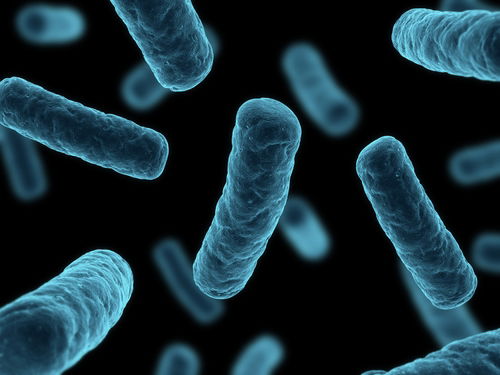
Gut bacteria are crucial for metabolic well-being and influences everything from how your body absorbs nutrients to how it balances energy production and fat storage. In fact, there is a community of trillions of microorganisms that live in the digestive tract, where they break down food and produce essential nutrients, like Vitamin K and B12. Good bacteria also create short-chain fatty acids that fuel your gut lining and help regulate both inflammation and appetite.
The connection between gut health and overall well-being extends to the brain through the "gut-brain axis," a communication pathway that influences everything from mood to appetite. An unhealthy gut can disrupt the hormones that regulate hunger, potentially leading to weight gain. While research into this connection is ongoing, a fiber-rich diet filled with non-starchy vegetables and fermented foods is known to support a diverse microbiome.
Why protein-forward, low-carb nutrition includes the right vegetables...
For those focused on fat loss and insulin sensitivity, high-fiber, low-carb vegetables are essential. Leafy greens, cruciferous veggies, and colorful options like peppers and tomatoes are rich in antioxidants and help slow digestion, stabilizing blood sugar and keeping you full longer. Specifically, spinach is noted for reducing visceral fat, while bitter gourd contains insulin-mimicking compounds. Non-starchy vegetables generally support metabolism through their high fiber content, which increases the thermic effect of food, meaning your body burns more calories during digestion.
“At Metabolic Research Center, our approach is protein-forward and low-carb*—but that doesn’t mean vegetables are off the table. The right non-starchy vegetables play a critical role in metabolic health, gut function, and sustainable fat loss.”
Dana McKeen, CEO & Regional Director
Your gut microbiome is as unique as your fingerprint. You inherit your first microbes at birth, and from then on, your diet and environment shape its composition. The term "microbiota" refers to the entire community of bacteria, viruses, fungi, and other microorganisms living in your gut. While a healthy diet, lifestyle, and hygiene support a balanced microbiota, factors like antibiotic use can disrupt it. But, it is a diverse and balanced microbiome that’s key to maintaining delicate metabolic harmony.
Nutrient-Dense Vegetables Reduce Fat Storage
Gut microbes have the role of breaking down indigestible fiber into short-chain fatty acids that can be absorbed as energy by the host’s cells. So a disrupted gut microbiome, especially in obese or severely overweight individuals, can simply increase energy storage by harvesting more fuel from food after producing metabolites that influence genes regulating the body’s energy balance to reduce overall energy expenditure, trigger fat synthesis, and promote fat storage.
Nutrient-dense, low-calorie vegetables are highly effective at helping to reduce fat storage, particularly stubborn visceral belly fat, by promoting satiety, stabilizing blood sugar, and providing essential micronutrients that support metabolism. Incorporating a variety of these vegetables can lead to sustainable weight loss by replacing higher-calorie foods and preventing the overeating that drives fat storage. Nutrient-dense options, such as spinach and kale, contain iron and antioxidants that support a healthy metabolism.
An unhealthy gut can disrupt the hormones that regulate hunger, potentially leading to weight gain. While research into this connection is ongoing, a healthy, fiber-rich diet filled with fruits, vegetables, and fermented foods is known to support a diverse microbiome. This, in turn, can promote better mental and metabolic health. However, it's important to view diet as part of a holistic approach to health, not as a standalone cure or preventative measure for illness.
Gut Colonization for Better Metabolism
Did you know there's a microbial community living inside your gut? This microscopic ecosystem plays a huge role in overall metabolism, influencing everything from how you digest food to your risk of developing certain diseases. However, when the balance of these microbes is thrown off, which is a condition known as dysbiosis, it can lead to problems. Research has linked an unhealthy gut to a range of issues, including allergies, autoimmune diseases, and metabolic syndrome.
- Energy Extraction and Storage – Your gut microbiome plays a significant role in how your body extracts energy from the food you eat. Through a process called anaerobic fermentation, gut bacteria break down complex carbohydrates that your body can't digest on its own. This process converts those indigestible carbs into short-chain fatty acids, providing you with extra calories. It is the specific composition of your microbiome that determines how efficient it is at energy harvest.
- Production of Short-Chain Fatty Acids – During fermentation of dietary fiber, gut bacteria create short-chain fatty acids. These powerful metabolites play a crucial role in metabolic processes. SCFAs play a key role in managing appetite by triggering satiety hormones (such a GLP-1) so you feel full longer. They also help regulate blood sugar and insulin sensitivity.
- Immune System Modulation and Inflammation – The gut microbiome plays a vital role in keeping your immune system balanced and ready to fight off harmful pathogens. This relationship starts from birth, with the gut microbiota helping to train and regulate the developing immune system. Low-grade inflammation is a key factor in the development of metabolic disorders like obesity and can impair how your body signals for insulin in tissues like the liver, fat and muscles.
- Bile Acid Metabolism – The liver produces primary bile acids from cholesterol. These acids help the body absorb fats and vitamins from food intake. Once they’ve done their job, gut bacteria metabolize them for reuse as secondary bile acids. These secondary acids are powerful signaling molecules that help regulate how the body manages fats and sugars, and even how much energy the cells burn. This relationship between your microbiome and bile acids is essential for keeping metabolism in balance.
- Nutrient and Drug Metabolism – The tiny microorganisms that make up your microbiome interact with a variety of commonly prescribed drugs, including metformin and GLP-1 weight loss medications, influencing both their efficacy and side effects. Gut bacteria can break down, activate, inactivate, or create toxic byproducts from drugs entering the bloodstream. Understanding this two-way relationship is crucial, as such interactions could lead to new strategies for managing metabolic disorders.
Unlike plant-based diets, MRC’s approach prioritizes protein to preserve lean mass. Your weight loss coach will help you determine your supplementation needs, such as enteric-coated fatty acids or essential trace minerals for added nutrients. Essentially, the microorganisms in your gut can influence everything from your blood sugar and fat metabolism to your insulin sensitivity. This collection of bacteria, viruses, and fungi in your digestive system is so active that some consider it to be another organ. Given this connection, it's no surprise that scientists are exploring ways to improve metabolic diseases by focusing on the gut. Promising methods include dietary changes, probiotics, gene-editing technology, and certain medications.
NOTE: Research has shown the composition of the gut microbiome often differs significantly between lean and obese individuals, suggesting a strong link between gut health and overall metabolic well-being.
_____________________
*Protein-First: How Low-Carb Vegetables Support Weight Loss
While your gut’s initial composition is shaped at birth, it is your lifestyle choices and aging throughout adulthood that defines the day-to-day function of your microbiota. To cultivate a microbial ecosystem that supports long-term weight management, we start by focusing on a holistic (whole person), but uniquely personalized (individual needs) approach that has been developed over several decades of applying the latest science for weight control. Plus, unlike plant-based diets, our approach prioritizes protein to preserve lean mass.
To better support your gut flora, a weight loss coach at MRC will help you design a menu plan that features “protein-forward, low-carb nutrition” with non-starchy, fiber rich vegetables that are micro-nutrient dense to aid microbial balance for better metabolic health and wellness. Your gut also plays a crucial role in how bacteria activate, inactivate, or create toxic byproducts from medications. This interaction is especially important for those using GLP-1 weight loss medications or blood glucose regulators, as gut bacteria can impact bioavailability.
In addition, Metabolic Research Center can assist with your body’s specific needs for probiotics and prebiotics, as well as other weight-related supplementation that may be needed due to specific health issues. Reducing stress, getting adequate sleep, and exercising regularly also promote a healthy gut microbiome. Whether you prefer a prescriptive medical weight loss plan or select a more traditional approach for healthy living, our team can help you identify the best options for maintaining a healthy gut microbiome.
By submitting this form, you agree to receive marketing text messages from us at the number provided, including messages sent by autodialer. Consent is not a condition of any purchase. Message and data rates may apply. Message frequency varies. Reply HELP for help or STOP to cancel. View our Privacy Policy and Terms of Service.