Disrupted Melatonin Boosts Late Night Snacking
“Eating Close to Sleep Spikes Blood Sugar and Weight Gain”
Eating close to bedtime can significantly impact metabolic health by causing higher blood sugar spikes and promoting fat storage. That’s because consuming food late in your biological day results in prolonged blood glucose, because of increased insulin resistance due to circadian rhythms triggered by changes in light. Unfortunately, the next-day effects of late-night dinners or midnight snacks cause high blood sugar levels before and after consuming breakfast the next day.
Nighttime snacking increases ghrelin (hunger hormone) and decreases leptin (fullness hormone) that can lead to increased cravings for high-calorie comfort foods. Additionally, the human body burns fewer calories when digesting food at night, so late night snacking naturally slows your body’s fat oxidation. Studies have also shown that fat breakdown decreases by about 10% overnight if the person eats around 10 p.m., as compared to a 6 p.m. mealtime.
Experts recommend finishing your last meal at least three hours before bed (the 3-Hour Rule). If you have to eat close to bedtime, opt for a protein-forward snack that is rich in protein and fiber, while avoiding intake of high-sugar or high-fat junk foods. Interestingly, the sleep-wake cycle does appear to align with chronotypes, as traditional Night Owls who naturally go to bed much later (2 am to 3 am) may be less affected by late night snacking than Early Birds.
Key Role of Disrupted Sleep-Wake Signals...
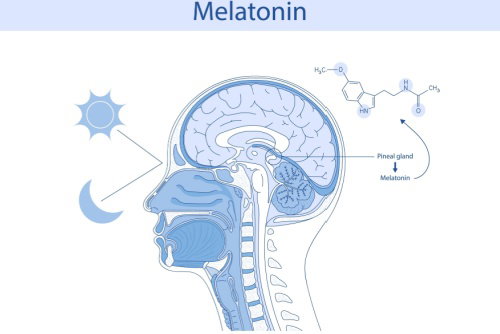
As melatonin levels rise with darkness, it reduces insulin secretion during periods of nighttime fasting. Food intake during this time can lead to blood sugar spikes as it conflicts with your body’s internal clock. Since this process leads to a slower metabolic rate, it increases the risk of fat storage overnight. Researchers say this pattern is strongly linked to obesity. Moreover, for those who favor eating close to sleep time, their risks of obesity is five times higher than those following a normal sleep-wake cycle. In part, this is due to the fact that late night eating increases hunger that leads to less-healthy cravings and overeating at night. For better metabolic health, experts recommend eating dinner early and avoid food consumption within a couple of hours of bedtime to align with circadian rhythms.
Protein-Forward Foods To Support Weight Control
Disruptions to sleep and circadian rhythms most often leads to cravings for high-calorie, sugary, and carbohydrate-rich comfort foods. In fact, your body can easily create a vicious cycle where poor quality of sleep from late eating leads to increases in next-day snacking. Unfortunately, disruptions to your sleep-wake cycle are linked to making poor food choices as your body seeks quick energy sources when you feel tired or fatigued. Generally speaking, your body struggles to regulate blood sugar efficiently during the biological night.
Studies show how nighttime snacking can lead to metabolic chaos due to an obvious insulin-melatonin conflict and often triggers habitual snacking even when the person is not physically hungry. So, if you feel hungry in the early evening, always think protein-forward and include low-carb options that can satisfy your feelings of hunger without disrupting your sleep-wake cycle. Low-carb, non-starchy vegetables (e.g., leafy greens, mushrooms, broccoli) aid melatonin by providing essential nutrients like magnesium, which helps with muscle relaxation.
Protein-forward vegetables support sleep without causing the blood sugar spikes and subsequent sleep disruptions (fragmentation) associated with high-carb meals. Whole foods like spinach, avocados, and broccoli are rich in magnesium, which supports the body's natural relaxation process. Plant-based foods, such as white mushrooms, naturally contain melatonin, and unlike sugary foods that disrupt sleep due to blood sugar increases, low-glycemic vegetables help maintain a nutrient-dense personalized menu plan to support both serotonin and melatonin production.
__________________
Serotonin and melatonin naturally work in a 24-hour cycle to manage your sleep-wake states. Serotonin promotes daytime alertness, mood regulation, and cognitive function, stimulated by daylight. As night falls, serotonin then converts into melatonin to induce sleep and signals the body to rest. If you’re struggling to sleep, contact Metabolic Research Center Barrington today. One of our weight loss coaches will be in touch to discuss how you can get a good night’s sleep and still enjoy the weight loss benefits of a protein-first, low carb diet. After all, the quality of sleep you get isn’t just about getting through your daily grind; your gut-brain-melatonin axis is directly linked to increased risk of heart disease, high blood pressure, diabetes, kidney disease, stroke, and obesity.
*NOTE: Generally speaking, melatonin supplementation should be avoided by pregnant or breastfeeding women, those with autoimmune disease, or individuals taking immunosuppressants, blood thinners, or certain blood pressure medications.
By submitting this form, you agree to receive marketing text messages from us at the number provided, including messages sent by autodialer. Consent is not a condition of any purchase. Message and data rates may apply. Message frequency varies. Reply HELP for help or STOP to cancel. View our Privacy Policy and Terms of Service.