Is Retatrutide the Newest Weight Loss Drug?
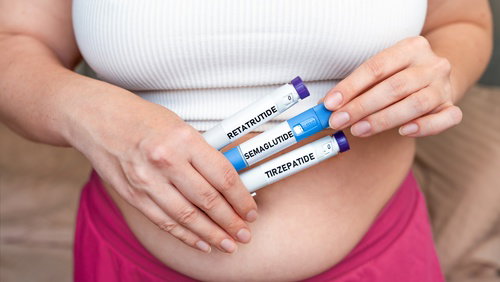
“Retatrutide is the newest triple-action receptor agonist being developed for GLP-1 non-responders.”
According to the drug’s manufacturer Eli Lilly, retatrutide is the first drug being developed as a triple-agonist that will target three different receptors in the brain and body to potentially boost weight loss, especially for obese GLP-1 non-responders. Although competition is fierce among pharmaceutical companies as they fight for a share of the prescriptive GLP-1 market, the Indianapolis-based company was excited to present the results of its Phase-3 retatrutide clinical trials.
Well known for producing blockbuster medications, the Indianapolis-based company’s market capitalization now exceeds $1 trillion, which is due in part to its dominance in both the GLP-1 weight-loss and diabetes drug market place. Currently, Eli Lilly produces two of the bestselling brand-names of dual-action tirzepatide that mimics both glucagon-like peptide-1 (GLP-1) and glucose-dependent insulinotropic polypeptide (GIP) to reduce appetite, stabilize blood sugar levels, and improve overall metabolic efficiency for better long-term weight control.
Retatrutide is still an experimental agonist that remains unapproved and is only available via clinical trials. However, unlike single-action semaglutide or dual-action tirzepatide, this investigational triple-hormone drug is designed to target and regulate three key receptors simultaneously. This includes both GLP-1 to reduce hunger and regulate blood sugar as well as GIP to enhance metabolic function, but retatrutide adds a companion hormone called glucagon to improve nutrient processing and boost the oxidation of stored fat.
Does retatrutide have the same side effects?
Yes, early clinical trials suggests retatrutide side effects are very similar to FDA-approved GLP-1 and dual-action GLP-1/GIP incretin mimetics with common gastrointestinal complaints like mild to moderate nausea, vomiting, diarrhea, and constipation. But, unique retatrutide side effects may include dysesthesia (abnormal burning or tingling skin sensations that increase at higher doses) and a dose-dependent increase in heart rate of 5 to 10 beats per minute, which seemed to peak at six months before declining. Like all incretin mimetics, retatrutide slightly increases one’s risk of pancreatitis, gallbladder and hypoglycemic issues.
Does retatrutide work for non-responders to other GLP-1s?
Due to its triple-action and multi-pathway mechanism, retatrutide shows significant promise for obese and overweight patients suffering from metabolic disorders that did not respond to traditional GLP-1 or GLP-1/GIP weight loss medications. In a Phase-2 retatrutide clinical trial, 100% of participants who took a dosage of 8mg or higher lost at least 5% of their body weight. Researchers believe this was due to the glucagon receptor activation that caused his or her body to burn more calories by mobilizing fat stores rather than just suppressing appetite and overall food intake.
Does retatrutide require lifestyle adjustments?
As an investigational medication, retatrutide is only available through registered clinical trials. However, for those who already take diabetes medications (insulin, metformin) or use a single or dual-action GLP-1 prescriptive drug, it can increase their risk of hypoglycemia and their doctor may need to adjust prescriptions accordingly. Some trial volunteers have reported mild fatigue (or dizziness) that appears to be directly related to calorie intake drops. Since satiety tends to lower oral intake, eating smaller low-fat meals and staying well-hydrated can mitigate gastrointestinal symptoms and prevent dehydration, while boosting energy levels.
Does retatrutide work as well as bariatric surgery?
Bariatric (or metabolic) surgery is one of the more effective but is also the most invasive approach prescribed to help people lose significant amounts of body weight to improve their wellbeing. That said, most experts agree that bariatric surgery may not be right for everyone because individuals must be prepared to make key lifestyle changes following surgery for it to work well. So, for those who are surgery-averse or less willing to make a post-surgical commitment to change, the newest incretin mimetics like triple-hormone retatrutide may be a better choice, as they can simply stop taking the medication.
What health benefits do weight loss drugs offer?
Prescriptive weight loss medications, especially the single-action GLP-1 receptor agonists (semaglutide) and dual-action GLP-1/GIP incretin mimetics (tirzepatide), already offer significant benefits that go beyond just shedding unintended weight gain. Both men and women who are prescribed the revolutionary weight loss drugs may experience extended benefits of using incretin mimetics that may include:
- Significant Weight Loss – Doctors treating patients using the latest incretin mimetics often note life-changing shifts in a patient’s relationship with food consumption and their overall metabolic health after reduction in body weight like the lowering of Hemoglobin A1c.
- Better Overall Health – Receptor agonists are prescribed for weight loss in obese and overweight individuals suffering from weight-related disorders, such as high blood pressure or pre-diabetic conditions. They boost the weight-loss journey making it easier to adopt sustainable lifestyle habits.
- Metabolic Organ Protection – Incretin mimetics boost therapeutic and lifestyle interventions that notably protect vital organs from metabolic stress, toxicity, inflammation, and systemic issues like insulin resistance to prevent visceral fat storage and fatty liver disease.
- Fewer Addictive Cravings – Emerging research suggests GLP-1s have neurological benefits that improve cognitive function, decrease risk of degenerative conditions (Alzheimer's, dementia), and potentially can reduce addictive behaviors like substance abuse.
- Reductions in Systemic Inflammation – GLP-1 prescriptive drugs have anti-inflammatory effects that are independent of losing unwanted fat deposits, that can impact improvements in vascular, joint, and overall systemic health that may include osteoarthritis and obstructive sleep apnea.
When the body’s cells stop responding properly to the insulin that is being released, it can lead to harmful metabolic changes, such as stopping the breakdown of fat tissue causing cells to release a surge of free fatty acids into the bloodstream. Since the pancreas naturally produces extra insulin to compensate for the “resistance”, higher levels can stimulate the liver to produce even more adipose and visceral fat deposits.
__________________________
At the recent annual meeting of the American Diabetes Association in New Orleans, major pharmaceutical manufacturer Eli Lilly presented results of a late phase clinical trial of the company’s newest weight loss drug called retatrutide. This triple-agonists medication helped volunteers lose about 30% of his or her body weight (average of 70 pounds). Since study findings have not had peer reviews yet, retatrutide is not FDA-approved and likely will not be an option until next year. At Metabolic Research Center Auburn, our goal is to provide the one-on-one support needed to create a customized program that preserves crucial muscle mass, limits the common side effects of using a GLP-1, and produces the changes your body needs for long-term weight control.
By submitting this form, you agree to receive marketing text messages from us at the number provided, including messages sent by autodialer. Consent is not a condition of any purchase. Message and data rates may apply. Message frequency varies. Reply HELP for help or STOP to cancel. View our Privacy Policy and Terms of Service.