Protein Friendly Veggies for Gut Flora
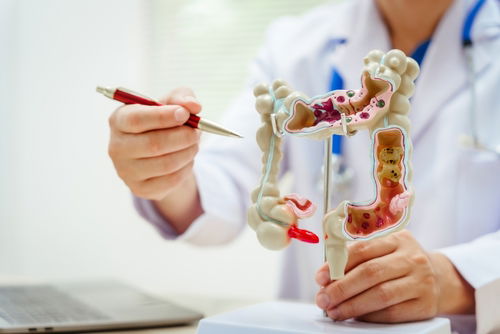
Adding protein-friendly fiber-rich foods to your diet doesn’t have to be complicated or expensive. In fact, some of the best sources are simple, affordable ingredients that are easy to incorporate into your everyday meals. Each source provides a unique mix of fiber types, nutrients, and textures, keeping your community of gut flora balanced. You can include fermented options like sauerkraut for probiotics that support a thriving gut microbiome.
Prebiotic fiber is essential because it feeds the beneficial bacteria living in your gut, helping them thrive and multiply. These bacteria play a major role in digestion, immunity, and metabolism. Excellent sources include garlic, onions, bananas, and chicory root. Routinely adding even small amounts of these foods can improve gut function for long-term weight management. For maximum effect, combine prebiotic with probiotic sources for a healthy microbiome.
Combining high fiber with protein creates a balanced, satisfying approach that supports both fat loss and lean muscle maintenance. The protein helps stabilize blood sugar and prevent muscle loss, while the fiber keeps you feeling full for hours. This approach supports steady digestion, sustained energy, and better adherence to your metabolic health goals. For gut balance on keto, focus on fiber-rich, low-carb leafy greens, cruciferous options, and water-filled veggies, as they provide essential nutrients without disrupting ketosis.
MRC protein-forward, low-carb menus includes the right vegetables...
To support fat loss and improved insulin sensitivity, MRC menus prioritize high-fiber, low-carb vegetables. Leafy greens like spinach, kale, and chard are excellent choices; spinach is particularly noted for helping reduce visceral fat. Cruciferous vegetables like broccoli, cauliflower, and Brussels sprouts, along with colorful options like peppers and tomatoes, provide antioxidants and help slow digestion to stabilize blood sugar. Plus, bitter gourd can add insulin-mimicking compounds with very limited calories.
“At Metabolic Research Center, our approach is protein-forward and low-carb*—but that doesn’t mean vegetables are off the table. The right non-starchy vegetables play a critical role in metabolic health, gut function, and sustainable fat loss.”
Dana McKeen, CEO & Regional Director
If you are following a keto or low-carb diet, you can still support a thriving microbiome by focusing on fiber-rich, low-carb vegetables. Top choices include leafy greens, cruciferous veggies, asparagus, avocado, and zucchini. These provide prebiotics, antioxidants, and polyphenols without kicking you out of ketosis. Incorporating fermented options like sauerkraut and kimchi is also highly beneficial, as they introduce probiotic cultures to the gut. By sautéing keto-friendly greens, you can easily integrate nutrient-dense foods into your routine.
Gut-Friendly Probiotic Vegetables
Nutrition science continues to highlight the importance of a whole-food diet for maintaining a healthy gut flora. One of the keys to comprehensive gut health lies in balancing high-protein vegetables with fermented foods to support gut diversity, improve mental resilience, and enhance nutrient absorption. For those looking to boost gut metabolism, vegetable proteins are dual-action powerhouses when consumed correctly. Here is how to incorporate these into your diet.
To support your gut while maintaining a high protein intake, add vegetables that act as prebiotics. Prebiotics are a type of indigestible fiber that serves as food for the healthy bacteria already living in your gut. Excellent high-protein options include dark leafy greens, spinach, broccoli, asparagus, Brussels sprouts, and peas. Incorporating these ingredients is just as important as consuming probiotics, as they fuel the growth of your good bacteria.
Probiotics are live bacteria and yeasts that directly add beneficial microbes to your digestive system. While vegetables like sauerkraut and kimchi are well-known for providing live probiotics, the landscape of fermented foods and drinks is vast. But, by combining active probiotic foods or supplements with high-fiber prebiotic vegetables, you can create a diverse menu plan that nourishes your microbiome more effectively.
Nurturing Microbial Gut Inflammation
To nurture a healthy microbiome and reduce gut inflammation, focus on menus filled with a protein-forward, low-glycemic plant-rich diet that include fermented foods and prebiotics like onions, garlic and asparagus. Add omega-3 fatty fish, while limiting overly processed foods that are loaded with added sugars, as a balanced gut thrives on dietary variety. Routine daily exercise creates short-chain fatty acids that are anti-inflammatory and help to restore your gut lining to prevent permeability.
- Dietary Changes – To maximize gut health on a protein-forward diet, it's essential to focus on vegetables that combine relatively high protein content with significant amounts of prebiotic fiber. This combination fuels beneficial gut bacteria while providing the nutrients necessary for a healthy body. A protein-forward diet can significantly strengthen the gut barrier, as amino acids are required to maintain the intestinal epithelium and produce mucin, a protective mucus layer. However, balance is key; while protein supports beneficial bacteria like Bifidobacterium and Lactobacillus, excessive or poorly digested protein can lead to harmful byproducts like ammonia and sulfides, potentially impairing gut barrier function.
- Lifestyle Adjustments – Looking after your gut microbiome involves more than just what you eat. To foster a healthy and diverse gut environment, it's important to exercise regularly, as moderate physical activity boosts beneficial bacteria and improves gut motility. Getting enough sleep (aiming for seven to nine hours) is also vital, as poor rest can disrupt your gut's natural rhythm and lead to inflammation. Additionally, managing stress through activities like meditation or yoga helps maintain the delicate balance of your gut bacteria by regulating cortisol levels via the gut-brain axis. Finally, use prescriptive antibiotics with care, as they can wipe out both harmful microbes as well as beneficial gut flora.
- Gut Health Supplements – If you are navigating inflammation, the right supplements can be a powerful tool for relief and recovery. Although there's no single "best" gut supplement, top choices that are supported by experts include options like probiotics and prebiotics help rebalance your microbiome, while L-glutamine works to strengthen and repair the gut lining. These supplements work in tandem to reinforce the gut barrier and regulate immune responses. For reducing inflammation, nutrients such as omega-3 fatty acids, curcumin, and zinc, along with botanicals like ginger and peppermint, can be highly effective. Just keep in mind that results often depend on the specific strain, dosage, and consistency of your routine.
The good news is that you can foster a healthier gut by integrating simple habits into your daily routine. Start by focusing on a wide range of non-starchy, low-glycemic plant proteins, stay well-hydrated to aid digestion, and maintain regular physical activity. While you may notice small improvements in just a few weeks, achieving significant or long-term changes typically takes several months. If you are struggling with persistent symptoms like digestive upset or fatigue, be sure to consult a weight loss coach or dietary specialist at Metabolic Research Center.
_____________________
*Protein-First: How Low-Carb Vegetables Support Weight Loss
While your gut’s initial composition is shaped at birth, it is your lifestyle choices and aging throughout adulthood that defines the day-to-day function of your microbiota. To cultivate a microbial ecosystem that supports long-term weight management, we start by focusing on a holistic (whole person), but uniquely personalized (individual needs) approach that has been developed over several decades of applying the latest science for weight control. Plus, unlike plant-based diets, our approach prioritizes protein to preserve lean mass.
To better support your gut flora, a weight loss coach at MRC will help you design a menu plan that features “protein-forward, low-carb nutrition” with non-starchy, fiber rich vegetables that are micro-nutrient dense to aid microbial balance for better metabolic health and wellness. Your gut also plays a crucial role in how bacteria activate, inactivate, or create toxic byproducts from medications. This interaction is especially important for those using GLP-1 weight loss medications or blood glucose regulators, as gut bacteria can impact bioavailability.
In addition, Metabolic Research Center can assist with your body’s specific needs for probiotics and prebiotics, as well as other weight-related supplementation that may be needed due to specific health issues. Reducing stress, getting adequate sleep, and exercising regularly also promote a healthy gut microbiome. Whether you prefer a prescriptive medical weight loss plan or select a more traditional approach for healthy living, our team can help you identify the best options for maintaining a healthy gut microbiome.
By submitting this form, you agree to receive marketing text messages from us at the number provided, including messages sent by autodialer. Consent is not a condition of any purchase. Message and data rates may apply. Message frequency varies. Reply HELP for help or STOP to cancel. View our Privacy Policy and Terms of Service.