Consume Lots of Water When Following Any Fasting Diet
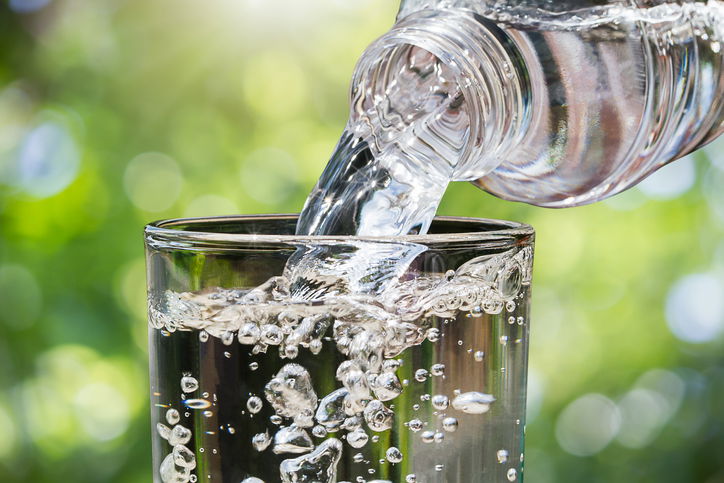
As long as you don't compensate by eating more during the built-in feasting period, many of the fasting protocols mentioned below may help reduce overall calorie intake to help you lose weight, especially stubborn belly fat. Eliminating sugary drinks and consuming plenty of water is also very important when following a fast diet. Moreover, a menu plan filled with lean proteins, healthy fats and fresh fruits and vegetables will always produce the best long-term results. According to research published in the journal Obesity Reviews, intermittent fasting is less likely to cause muscle loss than a diet based on continuous calorie restriction and some participants shed up to seven percent of potentially dangerous belly fat from around their waist.
- Alternate Day Fasts - If you eat dinner on Sunday night and then not eat at all until breakfast Tuesday morning, you skipped Monday, and are basically not eating for one entire day.
- Missing Meals - Following a menu plan with an established timeline for fasting and feeding (i.e. - Eating between 12 noon and 6 pm with food restricted for the remainder of the day) is one of the simplest methods for fasting.
- LeanGains Method - When you fast for sixteen hours, you can skip breakfast, eat an early dinner and simply avoid all late night snacking, then repeat the process the next day.
- Eat-Stop-Eat Fasts - If you are using an eat-stop-eat method of fasting, it is important to eat normally during all eating periods and eat the same portion size as if you had not been fasting.
Intermittent fasting offers clear benefits for making people healthier. Weight loss and weight management are two common reasons people try intermittent fasting, but make no mistake about it, you still need to make nutritious choices when you eat for fasting to work. Associate professor at the University of Illinois Krista Varady is the co-author of a recent study that found obese people who followed a fasting regimen for three months modestly lost weight and lowered their blood pressure without feeling hungry or deprived. Intermittent fasting is not for everyone, including people with type 1 diabetes or pregnant women.
*NOTE: Due to a difference in hormonal makeup, women have special considerations when fasting. Intermittent fasting is not a good idea for women under 18 years of age, those with a lean body profile, or those with medical conditions, such as hypothyroidism or a history of eating disorders. Ask your physician about an appropriate fasting protocol for you.
By submitting this form, you agree to receive marketing text messages from us at the number provided, including messages sent by autodialer. Consent is not a condition of any purchase. Message and data rates may apply. Message frequency varies. Reply HELP for help or STOP to cancel. View our Privacy Policy and Terms of Service.