Chronic Stress Affects Fat Metabolism
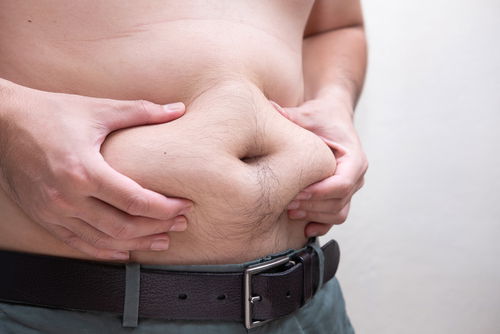
When you feel stressed, your body releases cortisol hormone. This steroid helps you handle pressure by stimulating your fat and carbohydrate metabolism for an instant burst of energy. While this "fight or flight" response was essential for our ancestors' survival, today’s chronic stress leads to different outcomes. Although cortisol helps normal metabolism to maintain energy balance, too much cortisol tends to slow metabolism, increase fat storage, and breakdown muscle mass.
Long-term weight maintenance depends on the balance between calories consumed and calories burned. Since cortisol naturally regulates both carbohydrate and fat metabolism, managing this hormone is crucial for healthy weight control. Recent research is even exploring how cortisol affects the brain chemical dopamine that is responsible for reward and healthy habit formation, as this could lead to new approaches for addressing stress-related weight gain.
The good news is that understanding the cortisol-visceral fat connection empowers you to take control. Since cortisol levels naturally fluctuate throughout the day, the key is preventing consistently elevated levels that lead to problematic fat distribution. But, it is important to create a personalized plan that addresses cortisol through stress management that can help you achieve healthier metabolic function.
What are the risks of excess visceral fat storage?
The main culprit behind this accumulation is cortisol, your body's primary stress hormone. When you're under chronic stress, your cortisol levels remain elevated, creating a perfect storm for fat accumulation. However, if fat storage exceeds normal limits, it begins accumulating in problematic areas, particularly around your organs as visceral fat. Research has shown this type of fat is more metabolically active and dangerous than subcutaneous deposits.
Visceral vs Subcutaneous Fat: The difference in danger of health risks between visceral fat and subcutaneous fat stems primarily from metabolic activity as well as the substances released. Excess visceral fat is more metabolically active and can release free fatty acids and other fat metabolites directly into the liver’s portal system. This can impair hepatic function, lead to fatty liver disease, and cause poor regulation of glucose and insulin metabolism.
What makes visceral fat more problematic than subcutaneous fat? There's a scientific reason for this, and it involves a complex relationship between the stress hormone and this specific type of deeper body fat. For starters, visceral fat cells contain high concentrations of an enzyme that converts inactive cortisone into active cortisol. This creates a harmful, vicious cycle: more visceral fat leads to more active cortisol, which in turn promotes even more visceral fat storage.
Cortisol’s Impacts Unintended Weight Gain
While chronic stress and cortisol are not the sole cause of unintended weight gain, elevated levels of the stress hormone is a major player in fat metabolism and fat storage. By promoting which cells should store fat, breaking down muscle mass to lower metabolism and release energy, and increasing the person’s appetite and cravings for high-calorie, less healthy foods, excess cortisol negatively affect fat storage and long-term, ongoing weight management.
- Increased Food Cravings – Food cravings aren’t just a matter of willpower. The more excess cortisol you have, the stronger your drive for overeating high-calorie (comfort foods) that are sugary, salty or fatty by nature.
- Cortisol Production in Tissues – Unlike the subcutaneous fat that sits just under the skin, cortisol favors storing visceral fat in tissues deep in the abdominal cavity surrounding key internal organs.
- Excess Glucose Due to Insulin Resistance – Metabolic disruption doesn’t happen in isolation and high cortisol levels can trigger a cascade of health problems like insulin resistance that can worsen over time.
- Sleep and Hormonal Imbalances – A lack of quality sleep due to excess cortisol doesn't just leave you feeling tired; it throws off the delicate hormonal balance of energy metabolism and fat storage.
- Visceral Fat Accumulation – Unfortunately cortisol has a particular preference for visceral fat accumulation. This helps explain why people under constant stress often struggle with stubborn belly fat.
Excess cortisol doesn't just impact fat storage. It can also cause your body to produce less testosterone, leading to decreased muscle mass and a slower metabolic rate. This makes it harder for your body to burn calories efficiently. Furthermore, abnormal cortisol patterns are frequently linked to depression, anxiety, and chronic stress, affecting both physical and mental well-being. Even though factors other than cortisol like diet, genes and lifestyle play a significant role, hormonal balance can allow cortisol to produce more positive results.
Do Women and Men Handle Cortisol Differently?
Cortisol plays a crucial role in how the body manages energy and stores fat. Although stress is a universal experience, the way we respond varies significantly between men and women. When stressful situations are encountered, the body releases cortisol. This steroid hormone signals the body to prepare for potential threats by storing energy reserves. While both sexes experience this natural response, the effects on weight gain, fat distribution, and coping mechanisms differ considerably between men and women.
Research shows that men and women not only metabolize cortisol differently but also respond to its effects in unique ways. Men typically tend to exhibit a stronger and more immediate cortisol response to psychological stressors compared to women. This heightened response can lead to more pronounced physical changes, particularly in fat accumulation patterns. Women's stress response, on the other hand, is often influenced by hormonal fluctuations related to their menstrual cycle, pregnancy, and menopause.
One of the most visible differences between how men and women respond to stress lies in fat distribution patterns. Women, particularly before menopause, tend to store fat subcutaneously in their hips, thighs, and buttocks, creating a "pear shape." Men are naturally more prone to accumulating visceral fat around their midsection, creating the classic "apple shape" or "beer belly" appearance. This type of fat surrounds internal organs and is considered more dangerous, as it's strongly linked to serious health conditions like heart disease and diabetes.
______________________
If you are looking for a weight management plan personalized for your body, your lifestyle and your goals, MRC Tyler is here to help. Metabolic Research Center has been helping people just like you to restore metabolic efficiency for decades. Take our 2-minute quiz to “Find Your Fit” and discover how our whole body wellness approach can put you on the right track. After all, we don’t believe in fad dieting and you’ll receive an instant download for our FREE Kickstart Guide that includes meal planning, recipes and much more.
By submitting this form, you agree to receive marketing text messages from us at the number provided, including messages sent by autodialer. Consent is not a condition of any purchase. Message and data rates may apply. Message frequency varies. Reply HELP for help or STOP to cancel. View our Privacy Policy and Terms of Service.