Calorie Intake vs Calories Burned
To take control of your weight management journey and achieve a healthier, balanced lifestyle. Remember it’s about making better food choices that help to nourish your body with essential nutrients, vitamins, minerals, and antioxidants. However, focusing solely on calories doesn't account for the overall quality of your diet, the nutrients you're getting, and how satisfied different foods make you feel. The overall balance of your diet is just as crucial as total calorie intake.
Although it may be tempting to drastically cut calorie intake, very low-calorie diets are difficult to sustain long-term and may result in nutrient deficiencies. Swapping high-calorie foods for lower-calorie alternatives and reducing portion sizes is a proven strategy. Adopting healthy eating patterns not only leads to a longer lifespan but the exciting news is that many whole foods promote overall health and are also beneficial for long-term weight control.
Track Your Choices to Plan Ahead
If you are someone who doesn’t like to plan ahead, don't worry. You can still learn from tracking your choices to figure out what's hindering your progress. Benefits of tracking food and exercise habits include:
1) What you should eat when – Having knowledge of what you should eat and when to consume those calories is important to making adjustments for energy expenditure at different times of the day.
2) Identify any overindulgences – Often times we forget everything we put in our mouths at every meal and snack. Tracking helps you identify any overindulgences because you have to write it down.
3) Learn more about nutrition – While some muscle loss may be inevitable with calorie restriction and new exercise regimens, it is possible to lose fat and retain muscle at the same time as you learn more about nutrition.
4) Alert you of needed actions – Tracking alerts you of needed actions by following the cause and effect of any nasty habits that you may have tried to ignore. It provides the incentive to push you to take action.
Walking and Using Stairs Support Weight Control
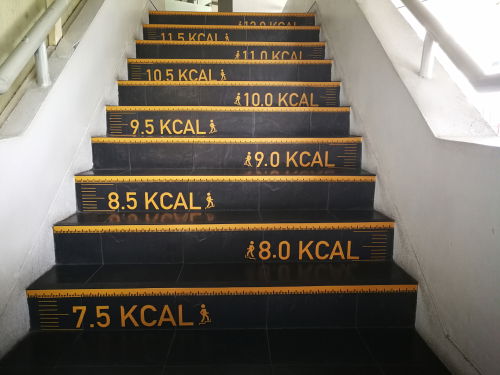
Even moderate exercise, like walking and using stairs, has a positive impact on health and weight loss. It reduces the risk of chronic diseases and associated disabilities, while preventing weight gain or promoting weight loss. Aim to be active every day and complete at least 150 minutes of moderate aerobic exercise per week. This could include activities like cycling, swimming or walking. Alternatively, you can opt for 75 minutes of intense aerobic exercise like running.
You can break down exercise into manageable workouts but pay close attention to post-exercise portion sizes as larger portions mean more calories. Low-calorie food options like fruits and vegetables can be eaten in larger quantities. Walking is particularly beneficial for losing weight. It's a convenient and low-impact exercise that doesn't strain your joints. But any exercise activity can increase your total energy expenditure, so don't compensate by eating more calories.
By submitting this form, you agree to receive marketing text messages from us at the number provided, including messages sent by autodialer. Consent is not a condition of any purchase. Message and data rates may apply. Message frequency varies. Reply HELP for help or STOP to cancel. View our Privacy Policy and Terms of Service.