Have You Experienced Weight Gain or Difficulty Losing Weight?
Part 2 of a two part series on Hormonal Imbalance and Weight Loss
It may be due to hormonal imbalance. Organs, glands and tissues that make up your endocrine system are sensitive to disease, diet and other stress that may cause an over production or under production of hormones. As you age, blood levels of some hormones increase, some decrease and some are unchanged. Your nervous system can directly stimulate endocrine glands to release hormones.
Higher levels of cortisol reduce thyroid hormone
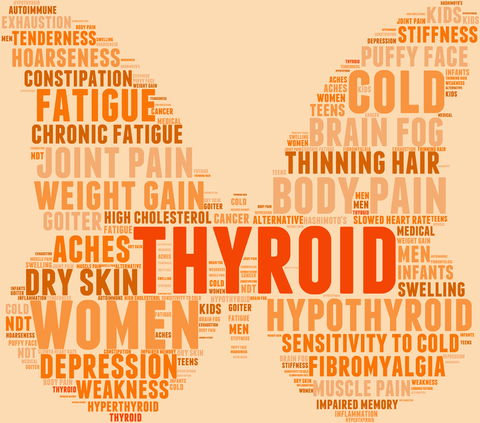
Among other symptoms, the underproduction of thyroid hormones can lower your body's metabolism leading to weight gain. When stress results in higher levels of cortisol, it can slow down the production of thyroid hormone. Hypothyroidism is a condition where your body doesn't make enough thyroid hormone. It is more common in women, people with other thyroid problems, and those over 60 years old. Known for its butterfly shape, your thyroid gland is the largest gland in the endocrine system and the central character that leads to so many weight-related heartbreaks.
Your body tries to maintain homeostasis
The reason your body has weight-regulating hormones is to try and maintain homeostasis and keep things as they are. Ghrelin lets you know you're hungry and leptin controls when you're full. One of the biggest hurdles that someone trying to lose weight faces is gaining the weight back. Dealing with weight maintenance requires some understanding of the need for hormonal balance of your hunger hormones. Leptin resistance is similar to insulin resistance and both occur together in obese people. However, obese men tend to have more belly fat and higher insulin levels, while obese women tend to have more fat under their skin and higher leptin levels.
Insulin hormone have been linked to obesity
One of the weight-gain hormones that have been linked to obesity, when hormonal imbalances occur, is insulin. Once the receptor cells become numb to insulin, you body stores glucose as fat, especially belly fat, where you can readily use it for fuel. Once your body finishes absorbing glucose and other nutrients from your bloodstream, it must turn to its fat stores for energy and your body enters its fat burning mode. High insulin levels result from eating too much of the wrong type of foods, particularly those high in carbohydrates and added sugars.
By submitting this form, you agree to receive marketing text messages from us at the number provided, including messages sent by autodialer. Consent is not a condition of any purchase. Message and data rates may apply. Message frequency varies. Reply HELP for help or STOP to cancel. View our Privacy Policy and Terms of Service.