Gut Health with Keto-Style Vegetable Protein
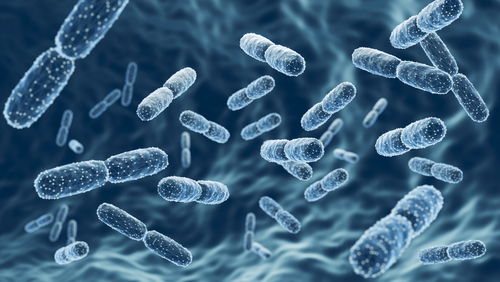
Keto-style vegetables support good health primarily through their high fiber content (as prebiotics) and by fermentation (as probiotics), while remaining low in overall net carbs. The non-starchy prebiotics provide the fiber needed to feed beneficial gut bacteria, and fermented vegetables deliver beneficial bacteria to the microbiome while maintaining a low calorie count. A mix of raw and home cooked keto-style veggies are recommended over high-glycemic options.
Leafy greens like spinach or kale, cruciferous veggies like broccoli, and colorful low-carb vegetables like peppers support gut metabolism for those following a ketogenic diet. These sources of plant protein promote satiety, digestion and nutrient intake without spiking blood glucose levels. This provides your body with essential micronutrients to support overall bodily functions that helps you maintain a state of ketosis.
Why protein-forward, low-carb nutrition includes the right vegetables...
Maintaining a healthy gut while on a keto diet requires a strategic focus on fiber-rich, low-carb vegetables. By prioritizing the right plant-based foods, you can provide your body with essential nutrients, prebiotics, and antioxidants without disrupting ketosis. Low-carb vegetables support a keto-style microbiome primarily through prebiotic fiber, which feeds beneficial bacteria. These veggies also offer antioxidants that help reduce inflammation and heal the gut lining.
“At Metabolic Research Center, our approach is protein-forward and low-carb*—but that doesn’t mean vegetables are off the table. The right non-starchy vegetables play a critical role in metabolic health, gut function, and sustainable fat loss.”
Dana McKeen, CEO & Regional Director
For a gut-healthy, low-carb protein source reach for high-fiber choices like tempeh. Unlike tofu, tempeh is fermented, which makes it easier to digest. Nonetheless, portion control is key due to its carb content. Pairing these proteins with low-carb vegetables like mushrooms, zucchini, and bell peppers ensures you get a mix of probiotics. This combination can maximize nutrient absorption by keeping carbohydrates low while creating a diverse gut ecosystem.
Obesity-Microbes Can Increase Weight Gain
Did you know that the bacteria living in your digestive system could be influencing the number you’re seeing on the scale? Research confirms that your gut microbiome plays a critical role in weight management, working alongside genetics and environmental factors. Specific imbalances in these gut microbes, known as dysbiosis, are strongly linked to weight gain and obesity by altering how your body handles energy.
When your gut is in a state of dysbiosis, certain bacterial populations can actually increase the efficiency of calorie harvesting. For example, some microbes ferment indigestible fibers into short-chain fatty acids, which is usually healthy but an excess of SCFAs can essentially add hidden calories to your diet. Furthermore, these microbes can suppress the production of specific proteins like Fasting-Induced Adipose Factor, which triggers your body to store circulating fats rather than burning them.
Not all bacteria are created equal. Specific species, such as Lactobacillus reuteri, Staphylococcus aureus, and Enterobacter cloacae, have been positively associated with weight gain and increased body fat. Conversely, bacteria like Turicibacter may promote leanness. The good news is that you can influence this balance. Modulating your microbiome through a diet rich in fiber and prebiotics, or utilizing probiotics, remains a promising strategy for treating obesity and supporting long-term health.
Keto-Type Tips for Metabolic Wellbeing
The impact of gut bacteria extends beyond just fat storage, so maintaining microbial balance can be crucial for those following a keto-type of menu plan. An overgrowth of certain bacteria can trigger low-grade chronic inflammation and insulin resistance, both of which are precursors to extra energy harvesting and obesity. Additionally, your microbiome affects the "gut-brain axis," which influences the release of hormones like ghrelin to trigger hunger and reducing satiety hormones like leptin that makes it difficult to feel full.
Here’s how it works:
- Energy Extraction and Storage – Importantly, keto-style vegetable protein helps to prevent blood sugar spikes, which is essential for maintaining ketosis and keeping your microbiome stable. For optimal gut balance, aim for a variety and target seven to ten cups of non-starchy, low-carb veggies that generally grow above ground. These have less than 5 grams of net carbs per 100g serving. Protein-rich vegetables that reduce energy extraction and storage are generally high fiber but low in calories.
- Production of Short-Chain Fatty Acids – A healthy microbiome produces powerful metabolites that protect your health. When gut bacteria ferment dietary fiber, they produce short-chain fatty acids. These are the main energy source for the cells lining your colon, keeping the gut barrier strong. Furthermore, SCFAs help manage appetite by triggering the release of hormones like glucagon-like peptide-1 (GLP-1) and peptide YY (PYY), offering a natural defense against metabolic risks.
- Immune System Modulation and Inflammation – Your immune system isn't just about fighting off the common cold; it plays a pivotal role in your overall metabolic health, and it all starts in the gut. From birth, the trillions of microbes living in your digestive system evolve alongside your immune system, helping to train and regulate it. This deep, coevolutionary relationship is essential for balancing immune responses and defending the body against harmful pathogens.
- Bile Acid Metabolism – Bile acid metabolism is a critical regulator of body weight, acting not only as a digestive aid but also as a complex hormonal signaling system that controls energy expenditure and hunger. When these metabolic pathways are dysregulated, it is strongly linked to weight gain and obesity. These acids are released into the intestinal tract to help absorb fats and vitamins from your food. However, their job doesn't stop there. Gut bacteria then transform 95% of primary acids into secondary bile acids.
- Nutrient and Drug Metabolism – Medications and nutrient metabolism play a major role in this equation. Certain prescriptions, including common antidepressants, antipsychotics, and corticosteroids, can inadvertently boost weight gain. They do this by stimulating appetite, slowing down energy expenditure, causing fluid retention, or shifting how your body stores lipids. Even excess vitamins or specific dietary patterns can impact metabolic pathways, leading to weight gain without an increase in intake.
According to the Centers for Disease Control and Prevention (CDC), nearly 75% of American adults fall into the overweight or obese categories. To break that down further, roughly one in three adults are considered overweight, while more than two in five are living with obesity. While factors like diet, sleep habits, sedentary lifestyles, and genetics certainly contribute to these numbers, researchers today are looking closely at the gut microbiome as a key factor. In fact, the microbiome composition often looks distinctly different in lean individuals compared to those with obesity, suggesting that gut health is a key driver in metabolic well-being.
_____________________
*Protein-First: How Low-Carb Vegetables Support Weight Loss
While your gut’s initial composition is shaped at birth, it is your lifestyle choices and aging throughout adulthood that defines the day-to-day function of your microbiota. To cultivate a microbial ecosystem that supports long-term weight management, we start by focusing on a holistic (whole person), but uniquely personalized (individual needs) approach that has been developed over several decades of applying the latest science for weight control. Plus, unlike plant-based diets, our approach prioritizes protein to preserve lean mass.
To better support your gut flora, a weight loss coach at MRC will help you design a menu plan that features “protein-forward, low-carb nutrition” with non-starchy, fiber rich vegetables that are micro-nutrient dense to aid microbial balance for better metabolic health and wellness. Your gut also plays a crucial role in how bacteria activate, inactivate, or create toxic byproducts from medications. This interaction is especially important for those using GLP-1 weight loss medications or blood glucose regulators, as gut bacteria can impact bioavailability.
In addition, Metabolic Research Center can assist with your body’s specific needs for probiotics and prebiotics, as well as other weight-related supplementation that may be needed due to specific health issues. Reducing stress, getting adequate sleep, and exercising regularly also promote a healthy gut microbiome. Whether you prefer a prescriptive medical weight loss plan or select a more traditional approach for healthy living, our team can help you identify the best options for maintaining a healthy gut microbiome.
By submitting this form, you agree to receive marketing text messages from us at the number provided, including messages sent by autodialer. Consent is not a condition of any purchase. Message and data rates may apply. Message frequency varies. Reply HELP for help or STOP to cancel. View our Privacy Policy and Terms of Service.