Select a Personalized Diet for Healthy Food Choices
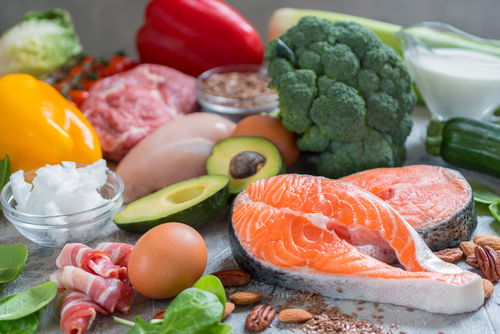
If you have given a diet your best effort but it didn’t work, it likely was not the right diet. Both low-carb and low-fat diets have advantages and disadvantages. Personalized diet plans, on the other hand, provide plenty of choices with most restrictions being less than healthy foods. Regardless whether you’ve chosen a low-carb or low-fat diet, if it leaves you feeling hungry, you will likely revert back to bad eating habits. So, seek professional guidance to personalize your menu plan for superior results. A weight loss specialist can help you choose an eating style that you can sustain, since it fits your food preferences, weight loss goals and lifestyle. Although useful for short-term weight loss, low-fat diets may not be healthy or successful over the long-term, especially if you do not make healthy food choices or fail to include some healthy sources of fat.
Basic Saccharides from Carbohydrate Intake
Carbohydrates perform numerous roles in living organisms and the various saccharides have a key function in the human immune system, fertilization, blood clotting and overall development. Listed below are the four basic forms of sugars found in carbohydrates:
- Monosaccharides - Composed of carbon, hydrogen and oxygen atoms, monosaccharides cannot be broken down further since they are already in their simplest form. Glucose (dextrose), fructose and galactose are common monosaccharides.
- Disaccharides - When two simple sugars are joined, a double sugar or disaccharide is formed, like table sugar (sucrose) or lactose. Sucrose is the most consumed disaccharide. Like monosaccharides, disaccharides are water soluble.
- Polysaccharides - Polysaccharides molecules consist of many sugar molecules bonded together, such as a starch or cellulose. These polymeric carbohydrate structures serve as energy storage or structural support as they are not highly digestible but provide dietary fiber.
- Oligosaccharides - This saccharide polymer contain a small number of simple sugars (monosaccharides) and have many functions such as cell recognition and binding. They have an important role in supporting the immune system.
Eating smaller portions of sugary drinks and sugar-laden food products will keep your taste buds satisfied without packing on the pounds. After all, there is no minimum requirement for sugar intake.
Metabolic Pathways Are Used to Dispose of Fat
Although it is true that heat is released when you exercise or move about, it is a byproduct of the chemical reactions and not the conversion of body fat. To excrete more converted fat, it is important to increase the number of times you exhale without hyperventilating. Shedding fat requires unlocking the carbon stored in fat cells, so it is essential to eat less and move more to utilize your lungs as an excretory organ for fat. Your body disposes of fat deposits through a series of complicated metabolic pathways to breakdown fat, so energy is released for bodily functions and physical activities. Stimulated by insulin, fatty acids are made into fat molecules and stored as fat droplets. When given a choice, a fat cell will convert fat rather than carbohydrates because fat is much easier to process and store.
By submitting this form, you agree to receive marketing text messages from us at the number provided, including messages sent by autodialer. Consent is not a condition of any purchase. Message and data rates may apply. Message frequency varies. Reply HELP for help or STOP to cancel. View our Privacy Policy and Terms of Service.