The Role of Food in Energy Metabolism
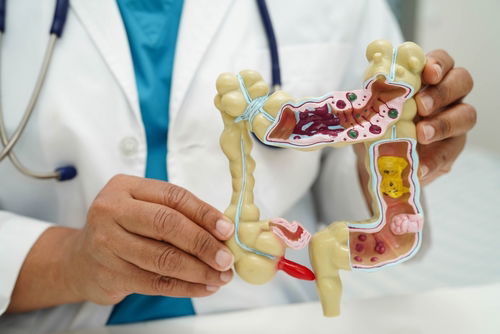
Microbes have a variety of functions in nutrient metabolism, including enabling the absorption of energy from food that could not be digested or absorbed before reaching the intestinal tract. However, an altered microbial ecosystem is believed to contribute to the development of several metabolic diseases, and studies suggest metabolic characteristics of one’s gut microbiome may be substantially different in those who are obese or have certain metabolic disorders.
This important ecosystem is home to trillions of microorganisms, including bacteria, fungi, viruses, and archaea, that are collectively known as your gut microbiome. While research is still emerging, it is becoming clear that this complex community plays a vital role in weight management, metabolism, and overall health. But, do beneficial gut bacteria do more than just help digest food? Yes, they do a lot more by influencing several biological processes that can directly impact fat storage and weight gain.
Why protein-forward, low-carb nutrition includes the right vegetables...
Protein-forward, non-starchy vegetables that support metabolic health allow you to combine plant protein with significant volume of prebiotic fiber that helps fuel beneficial bacteria in your microbiome. To improve insulin sensitivity and boost fat loss, focus on adding high-fiber, low-glycemic vegetables like leafy greens (spinach), cruciferous veggies (broccoli) and colorful options like peppers to help slow digestion and keep you feeling full for longer. Spinach is particulary favored for reducing visceral fat deposits in the midsection.
“At Metabolic Research Center, our approach is protein-forward and low-carb*—but that doesn’t mean vegetables are off the table. The right non-starchy vegetables play a critical role in metabolic health, gut function, and sustainable fat loss.”
Dana McKeen, CEO & Regional Director
Initially shaped by birthing (vaginal vs. cesarian) and feeding method (breastfed vs formula), your gut microbiome is as unique as your fingerprint. However, as you grow, changes to your gut composition and effectiveness is largely due to dietary intake and lifestyle factors. That means to promote a more diverse and healthy microbiome, eat fiber-rich foods, include probiotics that introduce live beneficial bacteria to your system, and limit your consumption of highly processed foods, artificial sweeteners, refined carbohydrates, and excessive alcohol, all of which can disrupt bacterial balance triggering a state of dysbiosis.
Unlock Food to Manage Energy
Generally speaking, the gut unlocks extra energy by using enzymes that humans lack. In fact, it is your beneficial gut bacteria that breaks down otherwise indigestible dietary fiber and other components through fermentation in the large intestine. While most nutrient absorption happens in the small intestine, undigested complex carbohydrates and proteins have to be metabolized further down the line. But, this process yields short-chain fatty acids (SCFAs) that your body then uses as fuel for colon cells.
Gut bacteria increase your body’s enzymatic capacity by producing components like cellulase that complement the host’s own digestive enzymes to maximize nutrient extraction from a wider range of foods, especially those found in high-fiber diets. Moreover, short-chain fatty acids and other microbial byproducts act as crucial signaling molecules that influence appetite, gut motility (how fast food moves through the tract), and overall energy storage, which can impact unintended weight gain.
Nonetheless, the composition of each individual’s gut microbiome largely determine how efficiently their body extracts fuel through increased energy harvesting. For example, people with high levels of methane-producing microbes may be highly effective at extracting calories from a high-fiber diet. Since a balanced diet supports optimal metabolic function, this helps to explain why two people can consume the same meal but absorb different amount of energy from the food. So, its your unique profile that should be used to optimize your vitality.
Gut Rhythm Supports Metabolic Health
The microscopic ecosystem, known as your gut microbiome, contains over a thousand different species of bacteria, fungi, viruses, and archaea and these residents play a huge role in your overall metabolic health and wellness. They use nutrients from food to interact with one another and help to keep your body in homeostasis. It is your gut flora that influences everything from digestion and weight control to the evolving reprogramming your immune system. So, keeping your gut healthy is critical for energy balance.
Here’s how it works:
- Energy Extraction and Storage – Your gut microbiome is responsible for breaking down complex carbohydrates that your body can't digest on its own, converting them into usable energy through a process called fermentation. However, not all microbiomes are created equal. Some people possess a more "efficient" mix of bacteria that extracts a higher number of calories from the same amount of food, which can contribute to unintended weight gain over time.
- Production of Short-Chain Fatty Acids – Short-chain fatty acids are powerful metabolites produced when your gut bacteria ferment dietary fiber that the body cannot digest on its own. The three primary SCFAs are acetate, propionate, and butyrate. They serve as the main energy source for the cells lining your colon, helping to strengthen the gut barrier and reduce chronic inflammation, as well as managing appetite by triggering the release of satiety hormones like glucagon-like peptide-1 (GLP-1).
- Immune System Modulation and Inflammation – Your immune system and gut health are more closely connected than you might think. From birth, the microbes in your gut help train and regulate your immune system, balancing its responses and defending against pathogens. These metabolites not only fuel the cells lining your colon but also help manage appetite by triggering satiety hormones like glucagon-like peptide-1 (GLP-1) and PYY to boost metabolic processing.
- Bile Acid Metabolism – Bile acids are metabolic powerhouses derived from cholesterol in your liver that play a critical role in your overall health. After you eat, your liver releases primary bile acids into the small intestine to assist in breaking down dietary fats and absorbing essential fat-soluble vitamins. Leftovers are converted to secondary bile acids and these transformed acids act as crucial signaling molecules to help regulate how your body processes fats, sugars, and energy expenditure.
- Nutrient and Drug Metabolism – Understanding the bidirectional relationship between your body and what you put into it is key to optimal health. Your gut microbiome is a major regulator of this system, influencing everything from how you absorb nutrients to how your body responds to medication. Gut bacteria can alter a drug’s effectiveness through chemical reactions potentially affecting bioavailability, while medications like GLP-1 can directly change the microbiome’s composition.
Interestingly, the tiny microorganisms that comprise your gut microbiome also interact with many common prescribed drugs like metformin and glucagon-like peptide-1, which are used today as weight control medications. But, your gut bacteria can break down, activate or inactivate these drugs as they enter your bloodstream. Scientists are now exploring various methods, including dietary changes, probiotics, and gene-editing technologies, to help regulate the gut microbiome and improve your overall metabolic health and well-being.
_____________________
*Protein-First: How Low-Carb Vegetables Support Weight Loss
While your gut’s initial composition is shaped at birth, it is your lifestyle choices and aging throughout adulthood that defines the day-to-day function of your microbiota. To cultivate a microbial ecosystem that supports long-term weight management, we start by focusing on a holistic (whole person), but uniquely personalized (individual needs) approach that has been developed over several decades of applying the latest science for weight control. Plus, unlike plant-based diets, our approach prioritizes protein to preserve lean mass.
To better support your gut flora, a weight loss coach at MRC will help you design a menu plan that features “protein-forward, low-carb nutrition” with non-starchy, fiber rich vegetables that are micro-nutrient dense to aid microbial balance for better metabolic health and wellness. Your gut also plays a crucial role in how bacteria activate, inactivate, or create toxic byproducts from medications. This interaction is especially important for those using GLP-1 weight loss medications or blood glucose regulators, as gut bacteria can impact bioavailability.
In addition, Metabolic Research Center can assist with your body’s specific needs for probiotics and prebiotics, as well as other weight-related supplementation that may be needed due to specific health issues. Reducing stress, getting adequate sleep, and exercising regularly also promote a healthy gut microbiome. Whether you prefer a prescriptive medical weight loss plan or select a more traditional approach for healthy living, our team can help you identify the best options for maintaining a healthy gut microbiome.
By submitting this form, you agree to receive marketing text messages from us at the number provided, including messages sent by autodialer. Consent is not a condition of any purchase. Message and data rates may apply. Message frequency varies. Reply HELP for help or STOP to cancel. View our Privacy Policy and Terms of Service.