How Drinking Water Boosts Metabolism
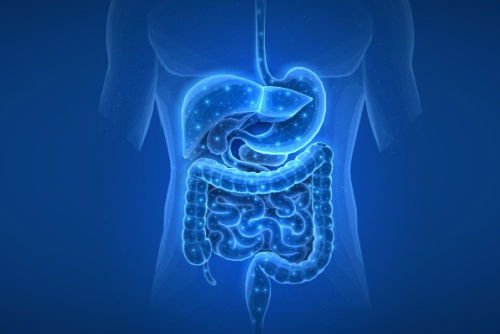
Do you know why drinking lots of water is commonly recommended as part of many weight loss plans? Although there are limited systematic studies that have addressed this notion, the effects of drinking more water than the normal daily intake have been linked to body weight, body mass index (BMI), and the body composition of overweight or obese people. Moreover, recent studies have shown that extra water consumption provides a sympathetic stimulus that can increase metabolic rate.
Since unintended weight gain is one of the greatest threats to the health of both men and women worldwide, drinking enough water or sugar-free fluids can induce thermogenesis where energy is expended to warm water to someone’s body temperature may be a more important component of daily energy burn than previously thought. For those looking to enhance their weight-loss efforts, water does more than just quench thirst.
Why protein-forward, low-carb nutrition includes the right vegetables...
Did you know that about 20% of your daily water intake should come from the food you eat? Incorporating high-water vegetables into your diet is an easy (and crunchy) way to stay hydrated while boosting your digestion. You can easily sneak them into your day by snacking on celery sticks, adding cucumber to smoothies, swapping grain pasta for "zoodles" (zucchini noodles), or using lettuce leaves as fresh, crisp wraps.
“At Metabolic Research Center, our approach is protein-forward and low-carb*—but that doesn’t mean vegetables are off the table. The right non-starchy vegetables play a critical role in metabolic health, gut function, and sustainable fat loss.”
Dana McKeen, CEO & Regional Director
Since cooking causes water to evaporate, try eating these vegetables raw or al dente to maximize their hydrating benefits. Focus on veggies that are over 90% water, such as cucumbers, celery, romaine lettuce, radishes, and zucchini. Other excellent options include bell peppers, spinach, and tomatoes, which pack a punch of vitamins and antioxidants. For those who struggle with drinking enough plain water, add slices of water-filled veggies like cucumbers or add fresh mint to your pitcher to add subtle flavor and trace nutrients.
Stay Hydrated to Increase Energy Levels
Water is a key component in cellular efficiency in the biochemical reactions of metabolism. When you drink enough water, metabolic processes run more efficiently and your body becomes better at converting food into energy. Since water makes up a large part of your blood, dehydration makes it much harder for cells to get the fuel they need as your body’s delivery system for nutrients and oxygen is impaired. Equally important is the fact that muscles require water to contract effectively and dehydration can quickly lead to muscle fatigue.
During the most routine forms of daily exercise, water helps regulate your body’s temperature through sweating. So, physical activities during hotter weather requires replenishing of fluids to avoid overheating and to maintain peak performance. Although you can carry a water bottle with you to sip on throughout your regimen, eating water-rich fruits and vegetables like watermelon, strawberries, cucumbers, and celery are also good sources of hydration. Moreover, opt for low-calorie options and be mindful of sugary drinks.
In a biological context, staying well-hydrated helps maximize your body’s natural energy production as well as your overall performance by fighting fatigue. In fact, water is vital for the metabolic and cellular processes that produce energy, which is called adenosine triphosphate (ATP). Adequate daily hydration ensures a healthy blood volume that will allow oxygen and essential nutrients to be transported efficiently to both cells and organs. Since your brain is primarily composed of water, proper hydration can improve concentration and alertness.
Drink More Water for Better Weight Control
Gut hydration is needed for better weight control as drinking proper amounts of water each day aids digestion, helps to keep you feeling full between meals, and can reduce overall daily food intake. While your gut's colonization began shortly after birth, it was influenced by factors like early feeding (breast milk or formula), but it doesn't stop there. In fact, a glass of water before a meal may reduce your calorie consumption and studies have shown the importance of hydration for sustainable weight management.
- Daily Fluid Intake – Drinking water, especially before food intake from meals or snacks, can promote a feeling of fullness that leads to a reduction in the number of daily calories consumed. It also serves as a perfect replacement for high-calorie sugary drinks that are definitely linked to unintended weight gain. Add low-carb hydrating vegetables to you menus with high-content (often over 95% water) like cucumbers or celery, alongside zucchini, tomatoes, radishes, and leafy greens like spinach or cabbage. Without enough water, your body’s ability to burn fat is impaired. Moreover, drinking enough water stimulates the sympathetic nervous system to increase metabolic rate for optimal physical performance to reduce fatigue and prevent cramps. Since your body burns calories to warm water to body temperature (thermogenesis), consuming cold water requires more energy to be expended to heat it up, which can lead to measurable but slight increases in the calories your body needs to burn.
- Lifestyle Adjustments – Normal lifestyle adjustments linked to healthy living usually include exercise, dietary intake, and quality of sleep. Each of these factors can boost metabolism by building lean muscle mass, increasing the energy available to digest complex carbohydrates, fiber and protein, and improving the bidirectional communication via the gut-brain axis to improve hormone regulation. That said, key strategies should include strength training to build muscle, consuming enough protein, staying properly hydrated during the day, managing daily stressors, and prioritizing quality sleep (about 7 to 9 hours per night). As previously mentioned, drinking cold water can temporarily increase your metabolism, as your body has to expend energy to warm any liquid. Interestingly, drinking enough water supports stress management by maintaining optimal brain function that regulates mood-balancing hormones like cortisol to improve one’s resilience to cope with both mental and physical stress.
- Gut Flora Hydration – Drinking enough water each and every day improves the gut-brain axis by maintaining healthy gut functions like motility, allowing for more effective bidirectional communication, and supporting proper cognitive regulation. In addition, adequate consumption of water ensures proper digestion, nutrient absorption, and the maintenance or healing of your gut lining. Whenever your body is dehydrated, chemical signals from neurotransmitters are slowed making it more difficult to clear toxic waste that can worsen mood and cognitive functions like focus and memory. More importantly, insufficient water intake can actually cause your brain cells to shrink, which means your blood-brain barrier may become less effective and that can lead to inflammation and increased vulnerability to toxins. So, ample hydration not only aids digestion and nutrient absorption, but supports healthy blood circulation to ensure the supply of oxygen that your brain and gut needs.
Lifestyle factors like diet and exercise are major players in the obesity epidemic, and it's clear that your gut health is a crucial piece of the puzzle. When balanced, this diverse community of trillions of bacteria aids in weight management and keeps harmful bacteria in check. Conversely, a weakened microbiome can lead to recurring metabolic health issues. The good news is that you can foster a healthier gut by integrating simple habits into your routine, such as eating diverse whole foods foods, staying well-hydrated, and getting regular physical activity.
_____________________
*Protein-First: How Low-Carb Vegetables Support Weight Loss
While your gut’s initial composition is shaped at birth, it is your lifestyle choices and aging throughout adulthood that defines the day-to-day function of your microbiota. To cultivate a microbial ecosystem that supports long-term weight management, we start by focusing on a holistic (whole person), but uniquely personalized (individual needs) approach that has been developed over several decades of applying the latest science for weight control. Plus, unlike plant-based diets, our approach prioritizes protein to preserve lean mass.
To better support your gut flora, a weight loss coach at MRC will help you design a menu plan that features “protein-forward, low-carb nutrition” with non-starchy, fiber rich vegetables that are micro-nutrient dense to aid microbial balance for better metabolic health and wellness. Your gut also plays a crucial role in how bacteria activate, inactivate, or create toxic byproducts from medications. This interaction is especially important for those using GLP-1 weight loss medications or blood glucose regulators, as gut bacteria can impact bioavailability.
In addition, Metabolic Research Center can assist with your body’s specific needs for probiotics and prebiotics, as well as other weight-related supplementation that may be needed due to specific health issues. Reducing stress, getting adequate sleep, and exercising regularly also promote a healthy gut microbiome. Whether you prefer a prescriptive medical weight loss plan or select a more traditional approach for healthy living, our team can help you identify the best options for maintaining a healthy gut microbiome.
By submitting this form, you agree to receive marketing text messages from us at the number provided, including messages sent by autodialer. Consent is not a condition of any purchase. Message and data rates may apply. Message frequency varies. Reply HELP for help or STOP to cancel. View our Privacy Policy and Terms of Service.