Protein Is Essential for Building & Repairing Muscle
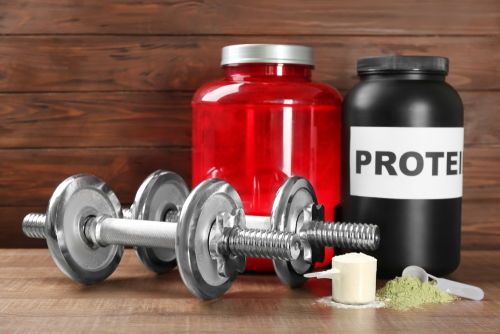
Protein is a macronutrient that is essential for building muscles and repairing damage to cells. It makes up about 15% of a person's total body weight and is composed of organic compounds called amino acids. Albumin and globulin are two proteins that made in the liver. A simple blood test provides an A/G ratio to reveal whether or not someone's body has enough protein. In a recent study, participants who consumed whey protein at breakfast, lost more weight than people who consumed other types of proteins, such as eggs, tuna or soy. Protein should be an essential part of your diet. However, if you goal is to lose weight, you have to avoid excess protein that can contribute to excess calories, which can cause weight gain.
Do's and Don'ts That Affect Metabolism
If you dramatically lower your food intake, your body senses that food is going to be scarce and can lower the rate at which it burns calories to the point that it triggers "starvation" mode.
- Sleep Deprivation - Both stress and sleep have an impact on appetite and weight loss but many people neglect these lifestyle issues. Either can have a negative effect on hormone production and can increase your risk for several diseases, including diabetes and obesity.
- Drinking Sugary Beverages - Replacing sugary drinks and high-calorie beverages like sodas and fruit juices with high protein drinks is a smart way to cut calories and boost metabolism to help you reach your target weight.
- Lack of Strength Training - After following the same diet, women who did resistance training maintained their muscle mass, strength and metabolic rate, whereas others who lost weight experienced a decrease in metabolism.
- Too Few Calories - While eating too much food is an obvious cause of weight gain and can make it difficult to lose weight, eating too little can also hinder your ability to shed pounds.
- Too Little Protein - Your metabolism slows during sleep and doesn't rev up until you eat again. This helps explain why breakfast eaters lose more weight than breakfast skippers. But, don't overdo. A 400 calorie meal will jumpstart your metabolism.
From consuming more protein to moving more, losing weight and keeping it off requires rethinking your lifestyle, applying self-discipline, working harder, and maintaining perseverance.
Metabolic Rate Helps Determine the Calories Burned
Metabolism describes the chemical reactions that occur throughout your body that keep you alive and functioning. In weight loss circles, it is used interchangeably with metabolic rate, which is the number of calories your body burns in a specified amount of time. While it likely took weeks to gain unwanted weight, most people want to lose it quicker than that. However, if you are stuck at the plateau where you are eating less, moving more and still not losing weight, use the tips discussed to jumpstart your efforts. Even in studies without exercise regimens or conscious calorie restrictions, adding more protein to one's diet has been linked to improved weight loss, as protein has a powerful effect on appetite and increased feelings of fullness. To ensure your weight loss efforts get off to a good start, build your plate with a lean protein, healthy fats and low-carb vegetables.
For more than thirty years, Metabolic Research Center has been warning dieters about potential dangers of following a crash diet as well as how fad diets can trigger the body to slow metabolism. If you are looking for healthy menu plans and protein products that curb hunger pangs to keep you on track, visit the MRC location nearest you or use this website's Contact Us form for a prompt answer to all of your questions.
By submitting this form, you agree to receive marketing text messages from us at the number provided, including messages sent by autodialer. Consent is not a condition of any purchase. Message and data rates may apply. Message frequency varies. Reply HELP for help or STOP to cancel. View our Privacy Policy and Terms of Service.