Adopt Science-Backed Strategies to Lose Weight
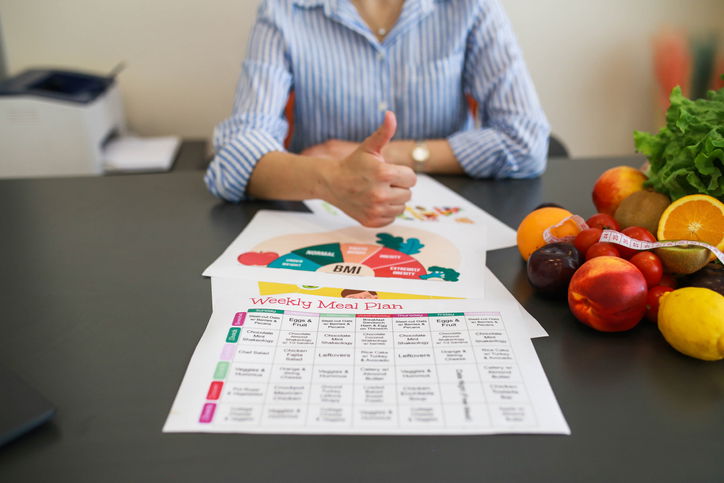
Instead of relying on willpower, the science of weight loss suggests losing unwanted weight depends largely on becoming more aware of faulty behaviors and bad eating habits as well as adopting new science-backed strategies.
No single diet has been deemed the healthiest or most successful for losing weight and keeping it off. However, healthy styles of eating tend to be plant-based diets that emphasize consuming healthy fats and more natural foods.
Daily exercise coupled with plenty of healthy foods and lots of water can not only help people who are overweight reshape their body but reshape their lives without food restrictions that eliminate a particular food category.
Long-Term Weight Loss Strategies
Losing weight will almost certainly be more fun than the tedious task of keeping it off for the long haul. The right long-term strategies like those discussed below can bolster success, such as:
1) Prepare for Food Situations – Eating healthy does not have to be expensive. Start by stocking your cupboard and refrigerator with food products and ingredients that are quick to prepare and easy to cook. You will be better prepared for a variety of food situations.
2) Plan to Move More – Moving more does not inherently trigger weight loss but short bursts of high-intensity exercise will promote fat loss and more exercise will be beneficial to your overall health and wellness.
3) Be Mindful of Portions – Restrict portion sizes anytime you reach for a snack. Snacks provide an opportunity to consume healthy foods. But, watch the portion size. Instead of taking the box or bag with you, put a snack-size amount on a plate.
4) Drink Enough Water – Drinking water is one of the building blocks of good health. In fact, proper hydration helps you stay alert, helps your cells function optimally, and helps your body reach peak performance when you exercise.
If traditional dieting hasn’t worked for you, don’t blame yourself. The science of weight loss suggests most diet plans are doomed for failure from the start. Follow the science to produce long-lasting results for all body types.
Excess Energy Roams the Bloodstream
The body breaks down the carbs you eat into glucose, which is the easiest fuel for you to oxidize for energy. When excess energy roams the bloodstream, your body is not breaking down fat deposits and insulin release tells fat cells to slow down. Once the level of blood glucose drops, the body starts to breakdown energy stored in your fat cells due to the release of specific chemical messengers that mobilizes energy from your cells to burn stored fat.
Extreme dieting can cause your body to burn up available glucose and mobilize fatty acids to unlock fat deposits. Once that source of energy is in short supply, the body will begin to burn muscles for fuel. Although certain foods, such as celery, can create a negative burn rate as it takes more calories to digest than the total calories consumed. This should be good news to those who dislike strenuous exercise as they can choose to eat themselves to a healthier weight.
By submitting this form, you agree to receive marketing text messages from us at the number provided, including messages sent by autodialer. Consent is not a condition of any purchase. Message and data rates may apply. Message frequency varies. Reply HELP for help or STOP to cancel. View our Privacy Policy and Terms of Service.