Boost Metabolism with a Low-Carb Veggies
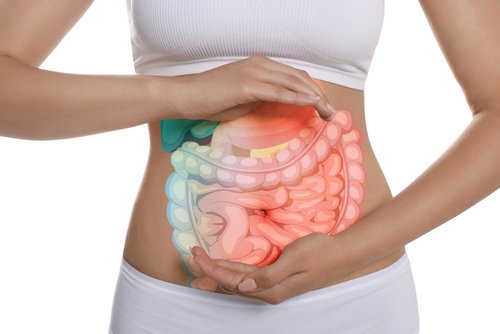
The gut is home to trillions of microorganisms that play a crucial role in metabolic health and wellness. This micro community is filled with bacteria, viruses, fungi, and archaea that reside in your gastrointestinal tract. But did you know that it has a major impact on weight control? That’s right; it is vital for digesting food for energy and absorbing nutrients to support your immune system, starting at birth and throughout your life.
A healthy, balanced microbiome helps your body efficiently extract calories during metabolism and create beneficial compounds called short-chain fatty acids, such as butyrate that fuels the gut lining, helps prevent inflammation from a “leaky gut” and lessens food cravings for better appetite control. However, when there's an imbalance, called dysbiosis, it can lead to increased gut inflammation and impaired metabolic function.
Why protein-forward, low-carb nutrition includes the right vegetables...
When curating a diet that prioritizes both low-carb intake and gut health, vegetables are your most powerful tool. For those minimizing carbohydrates, focus on leafy greens like spinach and arugula, or non-starchy staples such as zucchini, asparagus, and cauliflower. These provide essential nutrients without the carb load. To specifically boost gut health, incorporate fiber-rich foods like kale, broccoli, and root vegetables, along with prebiotic powerhouses like onions, leeks, and fermented sauerkraut to support a balanced microbiome.
“At Metabolic Research Center, our approach is protein-forward and low-carb*—but that doesn’t mean vegetables are off the table. The right non-starchy vegetables play a critical role in metabolic health, gut function, and sustainable fat loss.”
Dana McKeen, CEO & Regional Director
However, everyone’s gut microbiome is unique. You inherit your first microbes at birth and it is initially impacted by birthing (vaginal or cesarean) and method of feeding (breastfed or formula). As you age, it is your dietary intake and environment that continue to shape this community throughout your life. It is this microbial uniqueness that helps to explain why different people may respond differently to various menu plans and overall approaches to shedding unintended weight gain.
Disrupted Flora and the Gut-Brain Axis
The gut-brain axis is a communication pathway that connects your gut and your brain. A disrupted microbiome can negatively affect the gut-brain axis by altering neurotransmitter production, stress responses, and inflammation that can lead to anxiety, depression and cognitive decline. Imbalanced gut flora can affect your appetite and energy levels, potentially leading to unintended weight gain. Gut bacteria can also influence the secretion of hormones that regulate fat digestion and storage.
Since gut microbes are critical for modulating neurotransmitters in the gut for serotonin and GABA, a healthy microbiome supports proper brain signaling, mood regulation, and overall cognitive health. Interestingly, what is essential for mood, social behavior and better cognitive function, happens in the gut. Most importantly, imbalances in your gut flora can quickly lead to lower levels of these vital chemical messengers being released. Emerging research links gut health to both memory and decision-making processes.
Disruption to your gut microbiome can also influence your stress response. The body’s hypothalamic-pituitary-adrenal (HPA) axis that releases cortisol hormone from the adrenal glands in response to stress is a chain reaction of hormones. It starts in the hypothalamus, then goes to the pituitary gland, and finally triggers the outer cortex located on top of your kidneys to release cortisol for the maintenance of homeostasis. Cortisol then circulates the body* increasing blood glucose and blood pressure, while suppressing your immune system.
*NOTE: Cortisol levels are tightly regulated through a negative feedback loop. When cortisol levels in the blood become high enough, they signal back to the hypothalamus and pituitary gland to stop releasing hormones, which effectively turns off the body’s “fight or flight” stress response once the stress is gone.
Nurturing Your Gut Microbiome for Results
To nurture your gut microbiome for weight loss, start with a menu plan filled with a diverse selection of fiber-rich whole foods, limit your intake of overly processed food, and incorporate fermented foods (probiotics) that replenish good bacteria, enhance immunity, improve overall digestion, and reduce inflammation in the digestive system. According to an article by Harvard Health, naturally fermented foods are getting a lot of attention from health experts because they strengthen the gut microbiome.
- Dietary Changes – A diverse diet full of lean protein and non-starchy vegetables provides essential nutrients, which act as fuel for your beneficial gut bacteria. By mixing low-carb plant-based strategies, you can maintain high fiber intake and stable blood sugar levels while enjoying a diverse and flavorful diet. Fermented foods like yogurt, kefir, sauerkraut, kimchi, and miso introduce live beneficial bacteria directly into your gut. This increases microbial diversity, which can lead to reduced inflammation, a stronger immune system, and better digestion. Nonetheless, just as important as what you add to your menu plan is what you limit. Foods high in added sugars, saturated fats, and salt can disrupt the balance of your gut microbiome. Moreover regular exercise, drinking plenty of water to stay well-hydrated, and getting quality sleep at night also play a vital role in overall gut health.
- Lifestyle Adjustments – A healthy gut microbiome is the cornerstone of overall wellness, and simple lifestyle adjustments can make a significant impact. By focusing on a few key areas, you can support a diverse and thriving community of beneficial bacteria. Regular exercise is a powerful tool for improving gut health. Physical activity promotes the diversity of beneficial bacteria and enhances gut motility, which helps prevent constipation and supports efficient digestion. Whether you prefer aerobic activities like walking and jogging or enjoy resistance training, a moderate routine can lead to a healthier microbiome. The gut and brain are in constant communication via the gut-brain axis, meaning psychological stress directly impacts digestive health; and chronic stress can disrupt the balance of gut bacteria and increase inflammation. While necessary at times, only use antibiotics when prescribed by a professional and ask your doctor about how to support your gut with probiotic supplementation.
- Gut Health Supplements – A balanced gut microbiome should be a key part of any holistic weight control plan. While factors like diet, exercise, and lifestyle are crucial, supporting your gut health with proper supplementation as you age can make a significant difference. While supplementation with prebiotics, probiotics and postbiotics is not a magic bullet, it can be a critical piece of the larger puzzle in maintaining a healthy weight for healthy living. L-glutamine is an essential protein building block used for muscle recovery, immune support, and better gut health that the body naturally produces. However, as you grow older, glutamine levels may need to be replenished through supplementation following trauma from physical stress, bodily injury or illness. Fortunately, your gut microbiome is resilient and adopting healthier habits like stopping smoking or moderating alcohol intake can help to restore the gut lining and allow your gut microbiome to flourish.
A healthy gut microbiome is such a powerful metabolic engine that some health experts consider it to be an additional organ. This diverse community of trillions of beneficial gut bacteria is linked to healthier body weights and more sustainable weight management. Since adequate fluid intake supports the mucosal lining of your intestines to aid digestion and waste elimination, staying well-hydrated should include adequate intake of water each day. Regular physical activity promotes the growth of beneficial gut bacteria and improves sleep quality for better stress management.
_____________________
*Protein-First: How Low-Carb Vegetables Support Weight Loss
While your gut’s initial composition is shaped at birth, it is your lifestyle choices and aging throughout adulthood that defines the day-to-day function of your microbiota. To cultivate a microbial ecosystem that supports long-term weight management, we start by focusing on a holistic (whole person), but uniquely personalized (individual needs) approach that has been developed over several decades of applying the latest science for weight control. Plus, unlike plant-based diets, our approach prioritizes protein to preserve lean mass.
To better support your gut flora, a weight loss coach at MRC will help you design a menu plan that features “protein-forward, low-carb nutrition” with non-starchy, fiber rich vegetables that are micro-nutrient dense to aid microbial balance for better metabolic health and wellness. Your gut also plays a crucial role in how bacteria activate, inactivate, or create toxic byproducts from medications. This interaction is especially important for those using GLP-1 weight loss medications or blood glucose regulators, as gut bacteria can impact bioavailability.
In addition, Metabolic Research Center can assist with your body’s specific needs for probiotics and prebiotics, as well as other weight-related supplementation that may be needed due to specific health issues. Reducing stress, getting adequate sleep, and exercising regularly also promote a healthy gut microbiome. Whether you prefer a prescriptive medical weight loss plan or select a more traditional approach for healthy living, our team can help you identify the best options for maintaining a healthy gut microbiome.
By submitting this form, you agree to receive marketing text messages from us at the number provided, including messages sent by autodialer. Consent is not a condition of any purchase. Message and data rates may apply. Message frequency varies. Reply HELP for help or STOP to cancel. View our Privacy Policy and Terms of Service.