Supporting Natural Melatonin Without a Pill
“Daylight, Screens, and Bedtime Habits That Support Weight Goals”
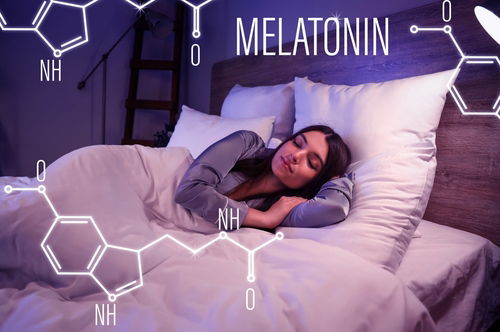
Melatonin is a naturally occurring hormone produced by the brain’s pineal gland and plays a crucial role in regulating your sleep-wake cycle. While it does not act as a direct sedative that forces you to sleep, rising melatonin levels in the evening help transition your body into a state of quiet wakefulness, making it easier to drift off. Most people produce enough of this endogenous melatonin naturally, allowing them to feel tired at night and wake up refreshed the next day.
If you are looking to boost your melatonin levels naturally, your dietary intake is a great place to start. While food sources contain significantly lower concentrations of melatonin than supplements, they are nutrient-dense and safe for long-term dietary integration. In animal products, eggs and fish are excellent sources. For plant-based options, nuts contain the highest levels of melatonin, but you can also find it in certain mushrooms, cereals, and germinated seeds or legumes.
A protein-forward diet might be the secret. Your body uses this essential amino acid to create serotonin, which is then converted directly into the sleep hormone, melatonin. When paired with vitamin B12 that is often found in these exact same foods, a high-protein diet not only boosts melatonin production but also increases the number of sleep receptors in your brain. Research shows that eating the right amount of protein can significantly reduce the time it takes to drift off and help prevent those frustrating middle-of-the-night wake-ups.
So, do melatonin supplements help improve insomnia?
Since even the best sleepers occasionally struggle to fall or stay asleep, you may be a candidate for melatonin supplementation to deal with episodes of short-term insomnia like recovering from jet lag or needing to adjust your sleep schedule for work or school. After all, millions of Americans currently use these sleep aids. Generally speaking, the science suggests that supplements can help people with insomnia fall asleep slightly faster, and they offer even greater benefits for those with delayed sleep phase syndrome where they naturally fall asleep but their internal clock is delayed a couple of hours beyond socially acceptable times like 3 a.m. and then struggle to wake up in the morning.
How to Sleep Better at Night Naturally
Improving your quality of sleep involves a combination of lifestyle adjustments, environmental optimization, and relaxation techniques. The primary goal of these strategies is to support your body's natural circadian rhythm and promote the production of melatonin, the hormone responsible for sleep. By making a few targeted changes, you can significantly improve the quality of your rest. Definitely, many daytime activities like soaking up some sunlight can directly impact the quality of your nighttime rest.
Your bedroom environment plays a critical role in signaling to your brain that it is time to rest. Keep your room cool, dark, and quiet. Utilize blackout curtains, eye masks, earplugs, or a white noise machine to block out disruptive background sounds. Additionally, ensure your mattress and pillows provide adequate support for your spine to prevent aches that can interrupt your slumber. To reinforce your sleep-wake cycle, go to bed and wake up at the exact same time every day, including weekends.
Establish a relaxing, screen-free wind-down routine for the hour leading up to bedtime. Activities like taking a warm bath or reading can help lower your stress levels. It is also important to avoid stimulants like caffeine, nicotine, and alcohol for four to six hours before bed. If you need a light snack in the evening, choose foods rich in tryptophan, magnesium, or melatonin. Moderate aerobic activity can increase deep, restorative sleep, but aim to finish vigorous workouts at least three hours before bed to avoid over-stimulation.
_____________________
If you find yourself lying awake for a half-hour or more, experts often recommend to get out of bed, engage in a low-light boring task, and do not return to bed until you feel sleepy. Some people create a sleep sanctuary that supports their body’s circadian rhythms and helps signal their brain that it is time to sleep. A source of white noise can help to drown out disruptive background sounds, and if need be, wear an eye mask to prevent light from suppressing your melatonin production. If you’re struggling to sleep, contact Metabolic Research Center Fort Collins today. One of our weight loss coaches will be in touch to discuss how you can get a good night’s sleep and still enjoy the weight loss benefits of a protein-first, low carb diet. After all, the quality of sleep you get isn’t just about getting through your daily grind; your gut-brain-melatonin axis is directly linked to increased risk of heart disease, high blood pressure, diabetes, kidney disease, stroke, and obesity.
*NOTE: Generally speaking, melatonin supplementation should be avoided by pregnant or breastfeeding women, those with autoimmune disease, or individuals taking immunosuppressants, blood thinners, or certain blood pressure medications.
By submitting this form, you agree to receive marketing text messages from us at the number provided, including messages sent by autodialer. Consent is not a condition of any purchase. Message and data rates may apply. Message frequency varies. Reply HELP for help or STOP to cancel. View our Privacy Policy and Terms of Service.