Feeding Your Gut to Fuel Weight Loss
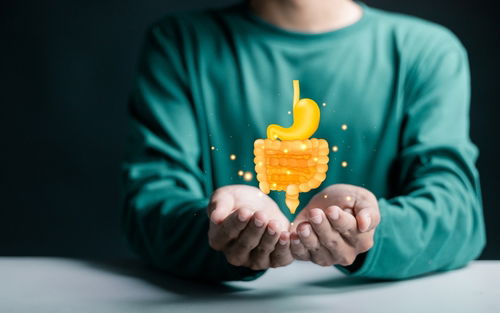
Your gut is home to a bustling community of microorganisms known as the gut microbiome. This unique ecosystem, made up of bacteria, viruses and fungi, plays a vital role in your overall health, especially when it comes to your metabolism. Think of your gut bacteria as tiny helpers that break down complex carbohydrates and fibers that your body can't digest on its own. This process creates short-chain fatty acids that fuel the cells in your digestive system.
The conversation around gut health often includes mental well-being. A diet rich in non-starchy vegetables, along with fermented foods, supports a healthy gut. In turn, a healthy gut helps regulate inflammation and the production of neurotransmitters like serotonin, which are linked to good mental health. While a healthy diet can support mental resilience, it's not a substitute for professional medical advice or treatment, but nurturing your microbiome is a promising strategy for improving your metabolic well-being.
Keto-friendly, low-carb nutrition includes the right vegetables...
If you are following a protein-forward diet, you can still support your gut microbiome by incorporating vegetables rich in prebiotic fiber and polyphenols. Top keto-friendly vegetable choices include asparagus, avocado, zucchini, and fermented staples like sauerkraut and kimchi. These foods provide the necessary fiber and antioxidants to nourish beneficial gut bacteria and reduce inflammation. Try incorporating these into your diet through sautéed sides or sprinkled on top of soups and salads to keep your meals interesting and gut-healthy.
“At Metabolic Research Center, our approach is protein-forward and low-carb*—but that doesn’t mean vegetables are off the table. The right non-starchy vegetables play a critical role in metabolic health, gut function, and sustainable fat loss.”
Dana McKeen, CEO & Regional Director
No two gut microbiomes are the same. You inherit your first microbes at birth, and from there, your diet and environment shape its composition. While some exposures can harm your gut bacteria, a diverse diet that's protein-forward with the right veggies can help it thrive. However, when the gut barrier is compromised and causes a "leaky gut,” it can lead to chronic, low-grade inflammation. This inflammation is a key factor in unwanted fat accumulation and unintended weight gain.
Non-Starchy Vegetables Help Decrease Energy Harvest
The rise of obesity rates worldwide have been categorized as largely due to eating more calorie-dense foods and being less active. But, more recent studies suggest a potentially strong link between the bacteria in your gut and unintended weight gain, especially with increased abdominal fat storage. When gut microbiota is altered, it can affect how your body processes food, which in turn may directly contribute to obesity. This means that focusing on gut health could open a new path toward preventing and treating this challenging disease.
Adding non-starchy vegetables to your menu plan can help decrease energy harvesting. This helps to reduce the net calories absorbed from a meal to better manage blood glucose spikes, due to the plant-protein’s low calorie density, high fiber content, and ability to inhibit carbohydrate digestion. Dark leafy greens and cruciferous vegetables like broccoli allow for "volumetrics," where a large volume of food is consumed with very few calories, providing better satiety without significant energy intake.
Ultimately, the gut microbiome acts as a vital link between your diet and your overall health. The food you eat feeds these microbes, which then produce various compounds that impact crucial bodily functions. While we don't yet know the exact microbial "signature" for obesity, it's clear that a healthy gut is a key player in maintaining a healthy weight and preventing metabolic diseases. Plus, chronic low-grade inflammation that’s common with obesity can also worsen metabolic health issues like non-alcoholic fatty liver disease.
Manage Your Gut Flora for Weight Loss Success
Gut microbiome is a hot topic in many health circles today, and for good reason. These tiny organisms in your gut influence everything from your immune system to your mood, potentially holding the key to treating a wide range of diseases. But, things like stress, poor diet and certain medications can disrupt the microbiome’s delicate balance, which can lead to metabolic issues. Prioritizing a daily intake of diverse foods, however, may help beneficial gut bacteria to thrive.
1. Dietary Changes – Want to improve your gut microbiome? It all starts with nurturing your digestive system with what you put on your plate. A diet that includes keto-friendly, non-starchy vegetables provides essential fiber that acts as a prebiotic, feeding the good bacteria in your gut. You can also introduce probiotics directly by incorporating fermented foods like Greek yogurt and kimchi into your meals. To support an ever-evolving gut, it's essential to provide it with the right fuel. A diet rich in a variety of low-glycemic vegetables offers the fiber and micronutrients that beneficial bacteria thrive on. Incorporating low-carb fermented foods into your diet is also an excellent addition. Foods like kefir, sauerkraut, kimchi, and miso are packed with beneficial "live bacteria," often referred to as probiotics. But, a diet loaded with processed foods, extra sugars, and saturated fats can throw your gut microbiome out of whack. These foods feed the less desirable bacteria that can lead to increased inflammation throughout your body. Staying properly hydrated is one of the simplest yet most effective ways to support digestion. It fosters a thriving environment for beneficial gut bacteria and assists your body in breaking down food, ensuring your body can absorb vital nutrients.
2. Lifestyle Adjustments – Several lifestyle changes can make a significant difference in the balance of your gut microbiota. Start by focusing on a balance diet and establishing consistent routines for both daily exercise and sleep quality. In addition, incorporate stress-reducing activities for managing disruptions related to cortisol release. These adjustments not only help your body relax but also support microbial diversity. Moderate exercise promotes overall gut health by increasing the diversity of beneficial bacteria and improving motility, which helps prevent constipation. Even a 10-minute walk can help to ease tension and support overall gut functions. Establishing a consistent sleep schedule by going to bed and waking up around the same time each day also supports your body's internal clock. Create a cool, dark sleeping environment to regulate your gut's circadian rhythm and help control metabolism overnight. Known as the gut-brain axis, your psychological stress can directly affect your digestive health. When you're under chronic stress, it can throw off the balance of your gut bacteria, increase inflammation, and make your gut more sensitive. Antibiotics disrupt your gut microbiome by killing off beneficial bacteria along with harmful ones. This reduction in bacterial diversity can lead to an imbalance, which may weaken your immune system as well as increase your risk of other infections.
3. Gut Health Supplements – Generally speaking, it is best to get as many nutrients from food as you can each day. Nonetheless, certain types of supplementation can give your gut microbiome a boost. Researchers are exploring how probiotics, prebiotics and post-biotics can help your body break down food more effectively to manage various health conditions, restore integrity of your gut lining, and improve nutrient absorption. Probiotics are live microorganisms, like bacteria and yeast, that help balance your gut flora. They can be particularly useful for restoring gut bacteria after a course of antibiotics. You can boost probiotic intake naturally by consuming fermented foods. Incorporating prebiotic supplementation into your daily routine is simple, plus you can boost intake by eating specific foods low-carb, non-starchy vegetables. For those who need them, MRC has a variety of supplementation available. For example, the body produces glutamine, but during times of stress, illness, or injury, your needs can exceed natural production. In such situations, compounded L-glutamine is often used to support muscle recovery, immune function, and gut health.
Making small changes to your daily habits can improve your gut health in just a few weeks, with more significant, long-term benefits appearing after several months. Unlike plant-based diets, MRC’s approach prioritizes protein to preserve lean mass for burning fat at rest. Your MRC weight loss coach will help you determine your supplementation needs, such as enteric-coated fatty acids or essential trace minerals for added nutrients.
_____________________
*Protein-First: How Low-Carb Vegetables Support Weight Loss
While your gut’s initial composition is shaped at birth, it is your lifestyle choices and aging throughout adulthood that defines the day-to-day function of your microbiota. To cultivate a microbial ecosystem that supports long-term weight management, we start by focusing on a holistic (whole person), but uniquely personalized (individual needs) approach that has been developed over several decades of applying the latest science for weight control. Plus, unlike plant-based diets, our approach prioritizes protein to preserve lean mass.
To better support your gut flora, a weight loss coach at MRC will help you design a menu plan that features “protein-forward, low-carb nutrition” with non-starchy, fiber rich vegetables that are micro-nutrient dense to aid microbial balance for better metabolic health and wellness. Your gut also plays a crucial role in how bacteria activate, inactivate, or create toxic byproducts from medications. This interaction is especially important for those using GLP-1 weight loss medications or blood glucose regulators, as gut bacteria can impact drug bioavailability.
In addition, Metabolic Research Center can assist with your body’s specific needs for probiotics and prebiotics, as well as other weight-related supplementation that may be needed due to specific health issues. Reducing stress, getting adequate sleep, and exercising regularly also promote a healthy gut microbiome. Whether you prefer a prescriptive medical weight loss plan or select a more traditional approach for healthy living, our team can help you identify the best options for maintaining a healthy gut microbiome.
By submitting this form, you agree to receive marketing text messages from us at the number provided, including messages sent by autodialer. Consent is not a condition of any purchase. Message and data rates may apply. Message frequency varies. Reply HELP for help or STOP to cancel. View our Privacy Policy and Terms of Service.