Is Melatonin a Friend or Bystander in Weight Loss?
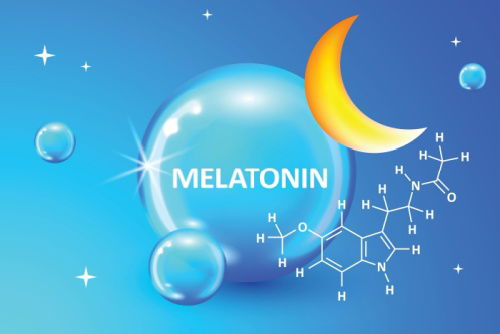
"A Plain-English Look at Human and Animal Research"
Recent research suggests melatonin may play a supportive role in weight loss by helping your body burn fat more effectively, especially when combined with a healthy diet and regular exercise. While it's not a miracle solution on its own, studies indicate it can optimize metabolic health in meaningful ways. Melatonin works primarily as a metabolic enhancer by improving sleep quality, helping to regulate appetite hormones, and reducing food cravings.
Animal studies have demonstrated that melatonin can directly limit weight gain and encourage the conversion of white fat (the type that stores energy) into brown or beige fat (the type that burns energy). It also decreases the oxidative stress and inflammation that are often linked to obesity. In human trials, melatonin has shown modest to promising results, particularly when used alongside diet and exercise interventions.
Personalizing a protein-forward diet is an excellent way to boost your body's natural melatonin production and support the neurotransmitter pathways that regulate sleep. To maximize these benefits, pair your protein with low-carb, non-starchy vegetables like leafy greens, broccoli, and avocados. These nutrient-dense foods are packed with magnesium to help your muscles relax, and some contain natural traces of melatonin. Unlike high-carb or sugary meals that trigger blood sugar spikes and fragment your rest, these vegetables keep your glucose levels steady for a more peaceful slumber.
Research suggests melatonin is more than just a bystander...
One of the most compelling findings is melatonin's effectiveness at targeting more dangerous visceral fat and regardless of changes in total body weight. Animal studies consistently demonstrate melatonin's metabolic benefits. Rodents given melatonin supplements experienced reduced weight gain, decreased visceral fat, and improved metabolism; and even when their food intake remained unchanged. Human trials paint a more modest picture, but while the numbers may seem small, melatonin shines a complementary tool that works best when combined with other healthy lifestyle choices. If you're following a diet and exercise plan but struggling with sleep, melatonin may tip the scales in your favor.
How Sleep and Melatonin Fight Fat
For those seeking to shed unintended weight gain, sleep and the hormone of darkness remain highly underrated tools in the arena for sustainable weight control. Studies show that routine high-quality sleep can make a difference in maintaining a healthy weight as well as reducing the risks of metabolic disorders. The good news is there are proven ways to stimulate your own body’s production of natural melatonin for a good night’s sleep without medication. But, melatonin levels naturally rise after dark but production lessens during daylight hours.
Soaking up the sun’s rays early in your day can strengthen your body’s circadian rhythms, which is crucial to prevent melatonin deficiencies. That’s why experts recommend that people who feel fatigue, depression or anxiety should consider spending time outside. Plus, you can provide your body with extra exposure to light by setting up your work desk near a window. But a routine walk outdoors delivers the regular exercise needed to maintain a healthy circadian function that improves sleep quality at night.
While not a magic pill, melatonin helps improve sleep quality, preventing weight gain associated with sleep deprivation by better regulating circadian rhythms. In fact a 2021 review showed that melatonin supplementation could lead to a modest reduction in body weight. Additionally, studies have suggested that melatonin appears particularly effective for postmenopausal women and people with specific metabolic health conditions. But, long-term use or excessive doses can disrupt insulin response in certain populations like type 2 diabetics.
___________________
Poor sleep disrupts appetite hormones like ghrelin and leptin, which can quickly lead to unintended weight gain. Basically, melatonin helps reduce inflammation to enhance your body’s insulin sensitivity for maintaining a healthier metabolic rate. Although not a standalone treatment, restoring your body’s internal clock helps optimize when your body burns calories for energy as well as when it stores fatty lipids. Nonetheless, experts emphasize melatonin’s role should be complementary and used alongside supportive dietary intake and regular exercise like a daily walk outside. If you’re struggling to sleep, contact Metabolic Research Center Dothan today. One of our weight loss coaches will be in touch to discuss how you can get a good night’s sleep and still enjoy the weight loss benefits of a protein-first, low carb diet. After all, the quality of sleep you get isn’t just about getting through your daily grind; your gut-brain-melatonin axis is directly linked to increased risk of heart disease, high blood pressure, diabetes, kidney disease, stroke, and obesity.
*NOTE: Generally speaking, melatonin supplementation should be avoided by pregnant or breastfeeding women, those with autoimmune disease, or individuals taking immunosuppressants, blood thinners, or certain blood pressure medications.
By submitting this form, you agree to receive marketing text messages from us at the number provided, including messages sent by autodialer. Consent is not a condition of any purchase. Message and data rates may apply. Message frequency varies. Reply HELP for help or STOP to cancel. View our Privacy Policy and Terms of Service.