Is Gut Bacteria Affecting Your Metabolism?
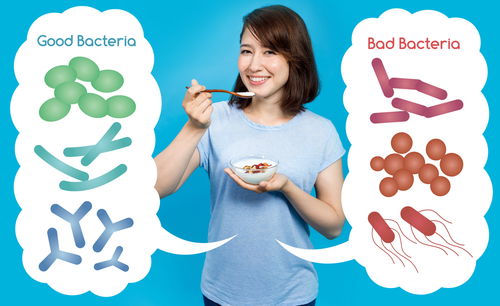
Ever wonder why some people gain weight more easily than others? For starters, their gut bacteria might have played a key role. Microorganisms in the gut can affect how efficiently the body harvests energy from food and a healthy gut microbiome strengthens its intestinal barrier. This barrier prevents leaky gut, which allows inflammatory substances to enter the bloodstream that are a key factor in fat accumulation and unintended weight gain.
By breaking down complex carbohydrates and fibers into short-chain fatty acids, your gut bacteria triggers metabolism, acts as signaling mechanism for molecules, and feeds gut cells in the digestive tract. In addition, your gut bacteria play an important role in bile acid metabolism for nutrient synthesis, fat absorption and insulin sensitivity. Although imbalances in gut microbiome can contribute to metabolic issues, maintaining a diverse microbiota can help to restore balance.
Although it might surprise you, gut bacteria are also major players in mental health. In fact, gut bacteria produce about 95% of your body's serotonin, along with other important mood regulators like GABA and dopamine. This connection is managed by a complex communication system called the microbiota-gut-brain axis. It is the vagus nerve that acts a direct highway between the gut and brain, but when the balance of microorganisms is disrupted (dysbiosis), it has been linked to mental issues, such as anxiety, depression, and spectrum disorders.
Can diet and probiotics prevent mental lows...
While a healthy diet supports overall well-being, the evidence is still developing on whether diet and probiotics alone can prevent mental illness. Current findings suggest that targeting the neurotransmitters produced by gut bacteria are essential for regulating mood, sleep and appetite. Furthermore, the short-chain fatty acids produced in the gut can cross the blood-brain barrier and supports the body’s response to chronic stress for better brain function.,
For now, your diet and probiotics are best viewed as part of a holistic weight loss approach, and not a cure-all or replacement for conventional treatments, like a prescriptive weight loss plan. However, a balanced whole-food diet rich in fiber from fruits, vegetables, and whole grains, along with fermented foods, is strongly associated with good mental health. This diet fosters a diverse gut microbiome, which helps regulate inflammation and chemical signaling.
Conversely, diets high in added sugar and fat are often linked to an increased risk of psychological distress. Menus rich in fiber and low in processed foods can feed beneficial gut bacteria, leading to the production of helpful metabolites that protect the gut barrier’s functions. While maintaining gut health can certainly support mental well-being, it is not a proven method for preventing illnesses. If you have concerns about “how your mental health may be affecting your weight control,” it is recommended that you consult a healthcare professional.
Nurturing Your Gut Microbiome
Your gut microbiome begins to form right after birth and continues to develop into adulthood. In early life, its composition is shaped by factors like how you were born (vaginally or by C-section) and what you were fed (breast milk or formula). As an adult, your gut microbiome is generally stable, influenced more by your environment and lifestyle than your genes. However, disruptions from things like diet, stress, or illness can upset this balance and potentially contribute to metabolic diseases.
1. DIETARY CHANGES – If you're looking for natural ways improve your gut health, it's all about adopting a holistic approach to healthy living. The goal is to encourage beneficial bacteria to thrive while keeping the less helpful microorganisms in check. Start by eating a diverse diet full of protein, fiber, and fermented foods to nurture a balanced microbiome.
a) Eat a diverse diet (Prebiotics): To fuel a healthy microbiome, eat a diverse range of fruits, vegetables, nuts, seeds, and whole grains. These foods are packed with fiber and micronutrients that nourish the beneficial bacteria.
b) Incorporate fermented foods (Probiotics): Eating fermented foods like yogurt, kefir, sauerkraut, kimchi, and miso is a great way to improve your gut microbiome. These foods introduce beneficial live bacteria, increasing microbial diversity and supporting your overall health.
c) Limit processed foods and sugar (Gut Disrupting): A diet high in processed foods, added sugars, and saturated fats can disrupt the delicate balance of your gut microbiome. These foods often promote the growth of harmful bacteria and increase inflammation in the body.
d) Stay hydrated (Nutrient Absorption): Drinking plenty of water is crucial for a healthy digestive system. Staying hydrated supports the mucosal lining of the intestines, promotes beneficial gut bacteria, and helps the body break down food to absorb nutrients efficiently.
2. LIFESTYLE ADJUSTMENTS – To support your gut metabolism, consider making a few lifestyle changes. Chronic stress can negatively impact your gut microbiome, so it's also helpful to incorporate stress-reducing activities into your day. This could be anything from meditation and yoga to deep breathing exercises or simply spending physical time in nature.
a) Exercise regularly: Regular exercise can improve your gut health by increasing the diversity of beneficial bacteria in your microbiome. It also improves gut motility, which helps prevent constipation and supports more efficient digestion.
b) Get enough sleep: Getting enough quality sleep is crucial for a healthy gut. When you don't get enough rest, it can disrupt your gut's natural rhythm and upset the balance of good bacteria, which may lead to inflammation.
c) Manage stress: The gut and brain are in constant communication through what's known as the gut-brain axis. This means psychological stress can directly impact your digestive health. When you experience chronic stress, it can disrupt the delicate balance of your gut bacteria.
d) Use antibiotics with care: While antibiotics are crucial for fighting off harmful bacterial infections, they can also disrupt the delicate balance of your gut microbiome. These powerful medications may not distinguish between good and bad, which can reduce microbial diversity.
3. GUT HEALTH SUPPLEMENTS – While getting nutrients from food is always ideal, certain supplements can give your gut microbiome an extra boost. Researchers are actively exploring how compounds like probiotics, prebiotics, and postbiotics can be used as therapeutic approaches for various metabolic conditions.
a) Probiotic Supplementation: While food is a great source, probiotic supplements can offer a more concentrated dose. These supplements contain live microorganisms, such as bacteria and yeast, that help balance your gut flora after a course of antibiotics.
b) Prebiotic Supplementation: Prebiotics are specialized fibers that act as "food" for the good bacteria in your gut. By fueling these beneficial microbes, prebiotics help them thrive and produce helpful byproducts like short-chain fatty acids.
c) L-Glutamine Supplementation: Glutamine is an essential protein building block that fuels many of the body's key metabolic processes. While the body produces glutamine for day-to-day functions, there are times during intense stress when your needs can outweigh production.
Gut microbiome plays a major role in health and wellness, and for good reason. The tiny organisms in your gut play a role in so many of your body's systems, they might even be the key to understanding and treating a range of complex diseases. While small improvements can be seen in just a few weeks, significant, long-term changes to your gut health can take several months to achieve. Before starting any new supplement, it's always best to consult a healthcare provider to determine what's right for you.
_____________________
A healthy gut microbiome is linked to better weight control, reduced blood sugar levels, a lower risk of diabetes, and improved metabolic health. Plus, a more diverse microbiome can prevent pathogenic bacteria from thriving, thereby reducing the risk of certain infections and diseases. Since your gut produces a significant portion of the body's serotonin, it can affect mood and disruptions are negatively linked to conditions like depression and anxiety. Whether you prefer a prescription medical weight loss plan or select a more holistic approach for healthy living, our team can help you identify the best options for maintaining a healthy gut microbiome.
By submitting this form, you agree to receive marketing text messages from us at the number provided, including messages sent by autodialer. Consent is not a condition of any purchase. Message and data rates may apply. Message frequency varies. Reply HELP for help or STOP to cancel. View our Privacy Policy and Terms of Service.