How Cortisol Impacts Weight Gain
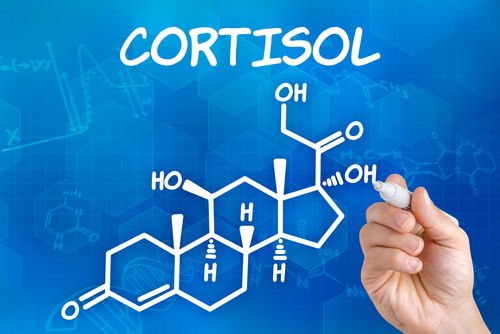
Most often referred to as the body’s primary stress hormone, cortisol plays a key role in regulating numerous bodily functions, including metabolic processes. While it is essential for “fight and flight” response, elevated cortisol levels due to chronic stress can have significant consequences, particularly in relation to long-term weight management.
When cortisol levels are high, the hormone stimulates both fat and carbohydrate metabolism, creating an energy surge. While necessary in survival situations, this process can also increase appetite and trigger cravings for high-calorie, sugary, salty, and fatty foods, leading to unhealthy eating habits. Plus, excessive amounts of cortisol hormone influences how and where the body stores energy. Glycogen is stored in the liver and muscles, while fat deposits hold energy reserves.
The question of whether high cortisol levels lead to weight gain is intricately tied to the effects of chronic stress on the person’s body, but the short answer is yes. Elevated cortisol promotes fat storage, especially around the abdomen, by skewing the body's natural ability to manage energy and burn fat efficiently. This complex chain reaction demonstrates the profound connection between stress, cortisol levels, and effective weight management.
Do visceral fat deposits increase health risks?
Fat cells primarily store energy in the body, but they also play a dynamic role in metabolic health. When existing fat cells reach their storage limit, the body creates new fat cells through a process called hyperplasia. If fat storage surpasses these limits, fat begins to accumulate in other areas, such as around organs or within muscle tissue, forming visceral fat. Unlike subcutaneous fat, which resides beneath the skin, visceral fat encases vital organs and contributes to a variety of health risks, including cardiovascular disease, diabetes, and certain cancers.
Visceral vs Subcutaneous Fat: The difference in danger of health risks between visceral fat and subcutaneous fat stems primarily from metabolic activity as well as the substances released. Excess visceral fat is more metabolically active and can release free fatty acids and other fat metabolites directly into the liver’s portal system. This can impair hepatic function, lead to fatty liver disease, and cause poor regulation of glucose and insulin metabolism.
The stress hormone cortisol significantly influences fat storage and distribution, particularly when its levels remain elevated due to chronic stress. Cortisol mobilizes quick energy by triggering the release of glucose from the liver and regulates various metabolic processes. However, excessive cortisol can lead to an unhealthy cycle of increased fat storage, disrupted glucose metabolism, and heightened risk of insulin resistance and metabolic syndrome. Visceral fat cells are particularly problematic, as they contain higher concentrations of enzymes.
Cortisol Hormone Affects Fat Storage
Cortisol guides energy conversion into triglycerides, which are often stored in adipose tissue, especially in the abdominal area. Cortisol-driven fat accumulation doesn’t only impact fat storage; it can also stimulate cravings for calorie-dense, fatty, and sugary foods, leading to overeating and further weight gain. This hormonal imbalance emphasizes the need for stress management strategies that support healthy cortisol levels.
- Increased Food Cravings – High cortisol levels are often linked to increased appetite, particularly for high-calorie, high-fat and sugary comfort foods, but such cravings can easily trigger overeating of less healthy foods.
- Cortisol Production in Tissues – Cortisol plays a significant role in fat metabolism. While low cortisol levels can help break down stored fat, chronic stress alters this balance, encouraging fat storage instead.
- Excess Glucose Due to Insulin Resistance – Excess cortisol is closely associated with metabolic risk factors, including abdominal obesity, insulin resistance, high blood pressure, and abnormal cholesterol levels.
- Sleep and Hormonal Imbalances – Cortisol imbalances have been consistently linked to sleep disorders, stress and anxiety, which shows how hormonal imbalances and psychological factors are intrinsically connected.
- Visceral Fat Accumulation – Visceral fat stored around internal organs in the abdomen has a higher concentration of cortisol receptors compared to other fat stores, making it more sensitive to cortisol's fat-storing signals.
By understanding how cortisol functions within the body and its role in fat distribution, individuals can better manage their health. Healthy lifestyle habits such as regular physical activity, a nutrient-rich diet, and dedicated relaxation time can help regulate cortisol, reducing its negative effects and improving overall metabolic health. Indeed keeping cortisol levels in check is vital for long-term weight maintenance and reducing the risk of more serious health conditions, such as excessive stress-induced fat storage.
How Women and Men Handle Cortisol Differently
While cortisol's effects on fat storage function similarly in men and women, their impact can vary. Men are more likely to accumulate visceral fat, which is considered the more dangerous type of fat, often resulting in an "apple shape" or central obesity. Women, on the other hand, commonly store fat subcutaneously in the hips, thighs, and buttocks, creating a "pear shape." This distribution is thought to support women's evolutionary role in childbearing by maintaining energy reserves needed for pregnancy and lactation.
Stress-induced hormonal changes can alter storage patterns in women, which can lead to increased abdominal fat rather than fat stored subcutaneously in the lower body. Additionally, cortisol can stimulate carbohydrate metabolism that influences how efficiently the body burns calories. This can contribute further to sex-based physiological differences. Men typically exhibit a stronger correlation between high cortisol levels and abdominal obesity, while women often experience a more varied response that is influenced by hormonal factors.
Obese individuals may have higher cortisol concentrations in target tissues like the liver and visceral fat, potentially activating the hypothalamic-pituitary-adrenal axis. These effects are further compounded by personal stress responses, which vary greatly. Nonetheless, understanding sex-specific distinctions can guide tailored health strategies and provide greater insight into addressing stress as well as its effects on weight and fat distribution. Such variability highlights the importance of personalized stress management strategies.
______________________
If you are looking for a weight management plan personalized for your body, your lifestyle and your goals, MRC Dothan is here to help. Metabolic Research Center has been helping people just like you to restore metabolic efficiency for decades. Take our 2-minute quiz to “Find Your Fit” and discover how our whole body wellness approach can put you on the right track. After all, we don’t believe in fad dieting and you’ll receive an instant download for our FREE Kickstart Guide that includes meal planning, recipes and much more.
By submitting this form, you agree to receive marketing text messages from us at the number provided, including messages sent by autodialer. Consent is not a condition of any purchase. Message and data rates may apply. Message frequency varies. Reply HELP for help or STOP to cancel. View our Privacy Policy and Terms of Service.