Gut Bacteria’s Role in Weight Control
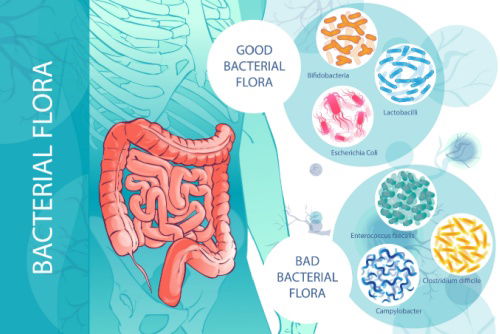
Nurturing a balanced gut microbiome should be a key part of any holistic plan for shedding pounds and establishing a sustainable approach to long-term weight control. These tiny microorganisms live in your digestive tract and play a crucial role in managing metabolic wellbeing. While proper dietary intake is a major factor, it’s important to remember that gut health is just one of the crucial pieces of a larger puzzle that should include exercise and other healthy lifestyle habits.
Gut flora influence everything from how you absorb nutrients to your overall energy balance. Good bacteria break down the food you eat, produce essential nutrients like Vitamin B12, and create beneficial compounds called short-chain fatty acids. SCFAs, such as butyrate (energy), propionate (appetite) and acetate (immunity), provide energy for your gut lining and can help regulate inflammation and appetite.
However, your gut microbiome is unique to you. It begins forming at birth and is shaped throughout your life by genetics, diet, and environmental factors like antibiotic use and lifestyle. Most of these microbes have a symbiotic relationship with you, meaning you both benefit. You provide them with food and a home, and in return, they perform vital functions and help keep harmful bacteria under control. Importantly, recent research shows a link between gut health and good weight control.
Disrupted gut flora can increase energy harvest...
While it's clear that lifestyle factors like diet and exercise play a major role in weight control, there's growing evidence that your gut flora also contributes to how your body harvests energy. Interestingly, the gut microbiome of an individual with obesity often seem to be more efficient at harvesting energy from food. This is likely due to a specific bacterial balance, particularly a higher ratio of Firmicutes to Bacteroidetes. These bacteria are excellent at breaking down dietary fibers into fatty acids to provide extra calories, but that can contribute to weight gain.
Studies have shown a strong link exists between gut flora and obesity. Plus, obesity is also linked to several other metabolic issues, including insulin resistance that can lead to high blood sugar levels and chronic inflammation that can increase fat storage. However how this exact relationship works is still being explored. It's not entirely clear whether the changes in gut bacteria are the primary cause of unintended weight gain or just a consequence of factors like calorie-dense food intake or simply a lack of physical activity.
Nonetheless, the global rise in obesity make be closely tied to humans modern lifestyles that involve more calories and less moving. Diets common in Western countries can alter the composition of your gut flora and the altered microbiome that is often associated with obesity may indeed be more efficient at extracting energy from the food we eat. But, since everyone’s gut microbiome is unique, more research is needed to understand how the gut microbiota can be effectively used in the prevention and treatment of metabolic issues like obesity.
Microbial Diversity Influences Your Health
Your gut microbiome is a bustling ecosystem of trillions of microorganisms living inside your digestive system, and these tiny residents (bacteria, fungi, and viruses) play a surprisingly major role in overall wellness. Gut flora influences everything from digestion to your immune system and imbalances can contribute to a range of related health issues, including allergies, autoimmune diseases, and even metabolic syndrome. Essentially, keeping your gut happy is crucial for sustainable nutrient absorption, energy balance and weight management.
Here’s how it works:
- Energy Extraction and Storage – Your gut microbiome plays a big role in how much energy your body gets from food, as it breaks down complex carbohydrates that your body can't digest on its own, turning them into usable energy. This process is also linked to the "gut-brain axis," a communication pathway that can influence your appetite and how your body stores fat. In short, an overly efficient microbiome can have an impact on both energy extraction and fat storage.
- Production of Short-Chain Fatty Acids – When gut bacteria break down fiber that the body can't digest, they produce short-chain fatty acids. These powerful metabolites act as the primary fuel for the cells lining your colon, which helps keep your gut barrier strong. They also help control your appetite by triggering the release of hormones that make you feel full, like GLP-1 and PYY. Beyond the gut, SCFAs contribute to blood sugar control, insulin sensitivity and can help reduce chronic inflammation.
- Immune System Modulation and Inflammation – Your gut microbiome and immune system are deeply connected through a co-evolutionary relationship. But, imbalances can lead to chronic, low-grade systemic inflammation that is often called "meta-inflammation." This occurs when the gut barrier is weakened, allowing bacterial components to leak into the bloodstream via a leaky gut that triggers inflammatory responses that impair insulin signaling in the liver, fat, and muscle tissues.
- Bile Acid Metabolism – Bile acids are molecules formed from cholesterol in the liver that play a crucial role in metabolism. When you eat, the liver secretes primary bile acids into the small intestine. Here, they help break down fats and absorb essential fat-soluble vitamins. Gut bacteria then get to work, transforming these primary bile acids into secondary bile acids. These secondary bile acids act as powerful signaling molecules, influencing how your body manages fats and how much energy you burn.
- Nutrient and Drug Metabolism – The gut microbiome plays a crucial role in our health by influencing how our bodies process nutrients and medications. Gut bacteria help break down compounds your body's enzymes can't handle, like fiber and complex carbohydrates. In addition, the microbiota impact how well drugs work. For example, your microbiome can interact with antidiabetic drugs like metformin or glucagon-like peptide-1 weight loss medications to influence its bioavailability.
The bustling community that is home to trillions of microorganisms is so active in your body that some experts refer to it as another organ. After all it plays a role in everything from basic digestion of food to how your immune system evolves as you age. While researchers are still uncovering ways your gut microbes affect weight gain, they've already identified several ways to improve metabolic health just by looking after them, which already includes proper dietary interventions, administration of postbiotic supplementation and gene editing technologies.
_____________________
To naturally support your gut bacteria, focus on a balanced diet rich in fiber from fruits, vegetables, and whole grains. Incorporate fermented foods like yogurt and kimchi for probiotics, and prebiotic foods such as garlic, onions, and bananas to feed beneficial bacteria. Probiotic and prebiotic supplements may be helpful for supporting specific health issues. Reducing stress, getting enough sleep, and exercising regularly also promote a healthy gut microbiome. Since antibiotics can disrupt the natural balance of gut bacteria, it’s important to only take them when truly needed for an infection. Whether you prefer a medical weight loss plan or select a more holistic approach for healthy living, our team can help you identify the best options for maintaining a healthy gut microbiome.
By submitting this form, you agree to receive marketing text messages from us at the number provided, including messages sent by autodialer. Consent is not a condition of any purchase. Message and data rates may apply. Message frequency varies. Reply HELP for help or STOP to cancel. View our Privacy Policy and Terms of Service.