Beneficial Gut Bacteria for Metabolic Health
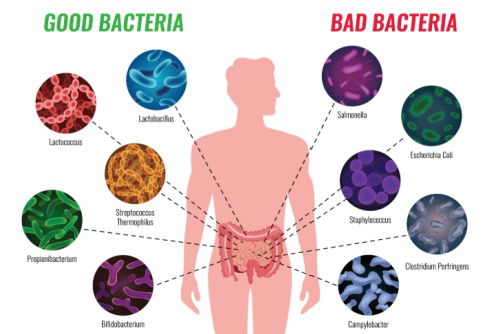
Beneficial gut bacteria are crucial for metabolic health. But, microbial balance is essential as potentially harmful bacteria are both normal and necessary for the gut’s immune system training that begins at birth. Unfortunately, overgrowth (dysbiosis) leads to inflammation and various metabolic disorders or disease. This highlights the body’s need for a diverse gut flora where beneficial bacteria keeps harmful microorganisms in check by competing for space and nutrients.
So what we may call bad bacteria are only potentially harmful and they do play an important role in energy metabolism. In fact, this delicate need for balance highlights how critical it is to maintain a diverse microbiome comprised of a few more good bacteria than bad microbes. The good guys help train your immune cells to differentiate between beneficial microbes and damaging pathogens, which prevents the harmful strains from taking over the gut lining.
Protein-forward, low-carb nutrition can include the right vegetables...
Achieving gut balance on a protein forward or keto diet is all about selecting the right low-carb, fiber-rich, non-starchy vegetables. Focus your meals around leafy greens like spinach and kale, cruciferous options such as broccoli and cauliflower, and hydrating picks like cucumber and zucchini. These vegetables offer a dual benefit: they provide essential nutrients and antioxidants to reduce inflammation while delivering prebiotic fiber to feed beneficial gut bacteria. To avoid disrupting ketosis, avoid high-carb root vegetables like potatoes and corn.
“At Metabolic Research Center, our approach is protein-forward and low-carb*—but that doesn’t mean vegetables are off the table. The right non-starchy vegetables play a critical role in metabolic health, gut function, and sustainable fat loss.”
Dana McKeen, CEO & Regional Director
Overgrowth of harmful C. difficile or H. pylori bacteria, for example, can cause problems. When the gut has too many bad bacteria and not enough good ones, the metabolic imbalance may trigger digestive issues and even the onset of autoimmune diseases. Imbalances are also seen after taking prescription antibiotics to correct a medical condition. Nonetheless, you need a diverse microbial community where beneficial microbes dominate the ecosystem, but where potentially harmful ones are kept in balance rather than destroyed.
Obesity Microbes Can Increase Energy Extraction
Recent research suggests that obesity-related gut microbes may increase energy harvest after breaking down indigestible fibers into energy-rich short-chain fatty acids. SCFAs naturally make more calories (fuel) available to the host due to an increase in Firmicutes bacteria and archaea like methanogens that consume hydrogen byproducts of fermentation. However, with fewer Bacteroidetes, the imbalance creates an obesity gut-profile that’s linked to extra energy extraction, especially from carbohydrates.
In essence, some people who suffer with obesity may have a gut microbiome that is filled with highly efficient calorie extractors. This helps to explain why it can be difficult for overweight individuals to lose weight and keep it off as their microbial community is maximizing energy extraction from food, which in turn leads to unintended weight gain. Disrupted signaling can slow gut motility and give the body more time to absorb energy. Moreover, other microbes suppress the release of the protein that normally inhibits the storage of fat lipids in adipocytes.
Landmark studies on the transmissibility of the obese-related microbes in mice demonstrate that this unique microbial trait is indeed transmissible. After germ-free mice were given a fecal transplant from obese donors, their bodies stored significantly more fat than those receiving microbes from lean donors when fed exactly the same diet. Additional clinical research is needed, as it appears key drivers like the production of specific metabolites in the gut, induction of chronic inflammation, and direct modulation of host genes may be linked to weight gain.
Metabolic Roles for a Healthy Microbiome
Weight control is not just about hitting the gym or cutting calories; at least not for many of us. It does, however, rely on nurturing the gut which involves maintaining a delicate balance among trillions of microorganisms. Of which, there are over a thousand bacterial species found in the human digestive system that is uniquely comprised of hollow organs starting at the mouth and ending with the anus. So, energy metabolism is a complex symbiotic process where they get a safe home and fuel from your body, and in return, digest foods that your body cannot.
Here’s how it works:
- Energy Extraction and Storage – Your gut microbiome breaks down complex carbohydrates, but not all microbiomes are created equal. Some people possess a more "efficient" mix that extracts a higher number of calories from the same food. This contributes to weight gain, as it is the gut-brain axis that allows the gut to trigger the release of satiety hormones.
- Production of Short-Chain Fatty Acids – While digestion begins with breaking down food into nutrients for the bloodstream, the process relies on your microbiome. Through anaerobic fermentation, bacteria break down complex foods that your body cannot digest on its own, converting them into short-chain fatty acids for extra fuel.
- Immune System Modulation and Inflammation – Boosting gut immunity isn't about increasing your Vitamin C intake, as the gut plays a starring role. Gut microbes work hand-in-hand with your immune system to fight off germs and regulate inflammation. A diverse but balanced microbiome, quality sleep, regular exercise, and stress management are needed.
- Bile Acid Metabolism – Produced by the liver from cholesterol, bile acids play a multi-faceted role in digestive health. Primary bile acids are released into the intestine to help your body absorb fats and fat-soluble vitamins from your food, but the process doesn't end there. Gut bacteria transform them into secondary bile acids that regulate fat and sugar metabolism.
- Nutrient and Drug Metabolism – The enteric nervous system is the command center for intestinal motility, coordinating smooth muscles, neurons, and hormones to keep things moving. Yet, the gut microbiome is equally influential in this process and impacts the bioavailability of medications by activating or inactivating meds like GLP-1 weight loss drugs.
At the core of this commensal relationship is mutualism to train you immune system to distinguish friend from foe to help prevent inflammation, compete with potentially harmful bacteria for microbial space, and influence food intake through complex bidirectional chemical signaling via the gut-brain axis that utilizes the vagus nervous system. Unlike plant-based diets, MRC’s approach prioritizes protein to preserve lean mass. Your weight loss coach will help you determine your supplementation needs, such as enteric-coated fatty acids or essential trace minerals for added nutrients.
_____________________
*Protein-First: How Low-Carb Vegetables Support Weight Loss
While your gut’s initial composition is shaped at birth, it is your lifestyle choices and aging throughout adulthood that defines the day-to-day function of your microbiota. To cultivate a microbial ecosystem that supports long-term weight management, we start by focusing on a holistic (whole person), but uniquely personalized (individual needs) approach that has been developed over several decades of applying the latest science for weight control. Plus, unlike plant-based diets, our approach prioritizes protein to preserve lean mass.
To better support your gut flora, a weight loss coach at MRC will help you design a menu plan that features “protein-forward, low-carb nutrition” with non-starchy, fiber rich vegetables that are micro-nutrient dense to aid microbial balance for better metabolic health and wellness. Your gut also plays a crucial role in how bacteria activate, inactivate, or create toxic byproducts from medications. This interaction is especially important for those using GLP-1 weight loss medications or blood glucose regulators, as gut bacteria can impact bioavailability.
In addition, Metabolic Research Center can assist with your body’s specific needs for probiotics and prebiotics, as well as other weight-related supplementation that may be needed due to specific health issues. Reducing stress, getting adequate sleep, and exercising regularly also promote a healthy gut microbiome. Whether you prefer a prescriptive medical weight loss plan or select a more traditional approach for healthy living, our team can help you identify the best options for maintaining a healthy gut microbiome.
By submitting this form, you agree to receive marketing text messages from us at the number provided, including messages sent by autodialer. Consent is not a condition of any purchase. Message and data rates may apply. Message frequency varies. Reply HELP for help or STOP to cancel. View our Privacy Policy and Terms of Service.