Balance Your Gut to Boost Your Metabolism
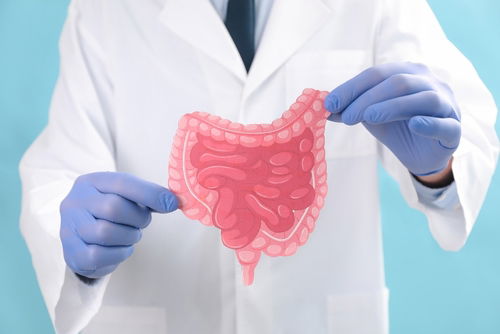
Your gut is home to trillions of microorganisms that include bacteria, fungi, and viruses. This complex community plays a vital role in your overall health and your gut microbiome influences everything from nutrient absorption to and metabolic well-being. Plus, these microbes have a symbiotic relationship with your body. You provide them with food and shelter; they perform essential digestive tasks. Moreover, MRC's approach to feeding your gut prioritizes protein to preserve fat-burning muscle mass.
Emerging research has highlighted the gut-brain axis that is a communication pathway that allows your gut to affect appetite and energy regulation. Because the diversity of gut bacteria influences how you respond to different foods and weight loss strategies, nurturing a balanced microbiome has become a key part of holistic plans for weight control. Moreover, maintaining a healthy gut through protein-forward dietary intake and lifestyle also supports mental wellbeing with fewer mood swings.
How protein-forward, low-carb nutrition includes the right vegetables...
Not only is it important to choose fiber-rich, non-starchy vegetables, the cooking method matters too. Deep-fried in less gut-healthy oils adds saturated fats and calories. So, food preparation plays a key role in maintaining microbial balance. While all vegetables contribute essential vitamins and minerals to a diet, some do hinder metabolic health if consumed excessively due to their high starch content or how they affect blood sugar. For optimal metabolic support, prioritize non-starchy powerhouse vegetables like broccoli, spinach, kale, bell peppers, and asparagus
“At Metabolic Research Center, our approach is protein-forward and low-carb*—but that doesn’t mean vegetables are off the table. The right non-starchy vegetables play a critical role in metabolic health, gut function, and sustainable fat loss.”
Dana McKeen, CEO & Regional Director
Everyone’s microbiome is unique. It is initially shaped by birth method (vaginal or cesarean section) and by feeding method (breastfeeding or formula). After that your environment (diet and lifestyle choices) has more direct impact on growing your microbiome than genetics do. However, imbalances in gut bacteria, called dysbiosis, are linked to a variety of metabolic health issues including a “leaky gut,” where harmful substances can enter the bloodstream. Generally speaking, avoid veggies that hinder metabolic functions your gut depends on.
Can an Obese Gut-Profile Increase Fat Deposits?
Yes; recent studies revealed a close relationship between gut microbes and obesity. While the exact microbial "signature" for obesity hasn't been identified, it's clear that our gut health plays a significant role in how our bodies manage weight and metabolism. So, what does this mean? It seems the gut microbiome in individuals with obesity is more efficient at harvesting energy from food. Specifically, some of the latest research points to a higher ratio of Firmicutes to Bacteroidetes bacteria with obesity.
The bacterial microbes discussed above are particularly efficient at breaking down indigestible dietary fibers through fermentation, which is the process that produces short-chain fatty acids. While SCFAs are generally beneficial, an excess can provide extra calories to the body, contributing to weight gain. Plus, an imbalance in gut bacteria can cause insulin resistance where the body’s cells do not respond well to insulin hormone that lowers blood glucose levels. The resulting inflammation is a key driver in progression of obesity-related conditions.
Low glycemic index vegetables, as part of a protein-forward diet, can help decrease body fat deposits by promoting satiety, stabilizing blood sugar, lowering insulin levels, and encouraging fat burning over glucose storage, though they work best within an overall calorie-controlled, balanced diet. Studies show that leafy greens, spinach, kale, and broccoli) can reduce total fat mass, waist circumference, and visceral fat, especially when fiber-rich produce is non-starchy and low-glycemic, which promote fat oxidation (burning) rather than burning carbs.
Keto-Style Vegetables for Better Gut Health
Your gut microbiome is a complex ecosystem of trillions of microorganisms that live inside your body’s digestive system. The gut is home to about 100 trillion bacteria from over 1,000 different species, all working together in a symbiotic relationship with your body. Think of it as a microscopic world inside your body, where tiny organisms play a huge role in your overall health, influencing everything from how you break down nutrients and digest keto-style vegetables to the current reprogramming of your immune system. Here’s how it works:
- Energy Extraction and Storage – The composition of gut microbiome plays a significant role in how the body manages weight. Through anaerobic fermentation, gut bacteria break down indigestible carbohydrates into simpler forms and extract calories that would otherwise be unavailable. A more diverse gut microbiota likely extracts more calories from the same amount of food intake by directly influencing your body’s metabolic pathways for fat storage.
- Production of Short-Chain Fatty Acids – Trillions of microorganisms naturally train your immune system. When gut bacteria break down fiber and complex carbs, they produce important short-chain fatty acids. Three primary types are acetate (fat synthesis for energy), propionate (cholesterol control for appetite), and butyrate (reduced inflammation for immune support), and collectively these short-chain fatty acids play a huge role in your overall health.
- Immune System Modulation and Inflammation – Your immune system plays a pivotal role in metabolic health, and it all starts in the gut. The gut microbiome shares a deep, coevolutionary relationship with your immune system, helping to train and regulate it to defend against pathogens. However, when this microbial community becomes imbalanced (a condition known as dysbiosis) it can wreak havoc on your metabolism. Dysbiosis weakens the gut barrier and toxins leak into the bloodstream.
- Bile Acid Metabolism – Your liver produces primary bile acids from cholesterol. These acids are then sent to your small intestine to help you digest fats and absorb fat-soluble vitamins. This is where your gut bacteria step in. They transform these primary bile acids into secondary bile acids that act as powerful signaling molecules to help regulate your fat and sugar metabolism, as well as how much energy is burned. About 95% of these bile acids are reabsorbed and returned to the liver to be used again.
- Nutrient and Drug Metabolism – The gut microbiome plays a crucial role in regulating how your body functions. For example, it interacts with common drugs, including antidiabetic medications like metformin and GLP-1 weight loss drugs such as semaglutide. This is however a two-way street where gut bacteria can alter a drug’s effectiveness and medications can change the microbiome’s composition. So, they can activate, inactivate, or create toxic byproducts that can influence efficacy as well as cause unwanted side effects.
The process of gut metabolism involves two key functions: catabolism, which breaks down molecules to release energy, and anabolism, which builds new molecules and stores energy. Together, both of these processes help your body repair tissues, stay healthy, and function at its best. Your gut microbiome interacts with nearly every system in your body, playing such a vital role that many experts consider it an organ in itself. In fact, research suggests a strong link between microbial makeup and overall metabolic wellbeing.
_____________________
*Protein-First: How Low-Carb Vegetables Support Weight Loss
While your gut’s initial composition is shaped at birth, it is your lifestyle choices and aging throughout adulthood that defines the day-to-day function of your microbiota. To cultivate a microbial ecosystem that supports long-term weight management, we start by focusing on a holistic (whole person), but uniquely personalized (individual needs) approach that has been developed over several decades of applying the latest science for weight control. Plus, unlike plant-based diets, our approach prioritizes protein to preserve lean mass.
To better support your gut flora, a weight loss coach at MRC will help you design a menu plan that features “protein-forward, low-carb nutrition” with non-starchy, fiber rich vegetables that are micro-nutrient dense to aid microbial balance for better metabolic health and wellness. Your gut also plays a crucial role in how bacteria activate, inactivate, or create toxic byproducts from medications. This interaction is especially important for those using GLP-1 weight loss medications or blood glucose regulators, as gut bacteria can impact bioavailability.
In addition, Metabolic Research Center can assist with your body’s specific needs for probiotics and prebiotics, as well as other weight-related supplementation that may be needed due to specific health issues. Reducing stress, getting adequate sleep, and exercising regularly also promote a healthy gut microbiome. Whether you prefer a prescriptive medical weight loss plan or select a more traditional approach for healthy living, our team can help you identify the best options for maintaining a healthy gut microbiome.
By submitting this form, you agree to receive marketing text messages from us at the number provided, including messages sent by autodialer. Consent is not a condition of any purchase. Message and data rates may apply. Message frequency varies. Reply HELP for help or STOP to cancel. View our Privacy Policy and Terms of Service.